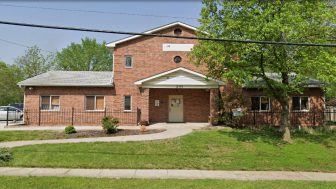
Valley Hope of Boonville
1415 W Ashley Rd
Boonville, MO 65233
 Sponsored
About Valley Hope of Boonville
Valley Hope of Boonville is an affordable and accredited residential substance use recovery facility in the city of Boonville, Missouri. They offer a full continuum of care including medical detox, inpatient care and intensive outpatient program. They also offer family care to address family dynamics, improve communication and strengthen support networks. Specialized services are available for veterans and first responders.
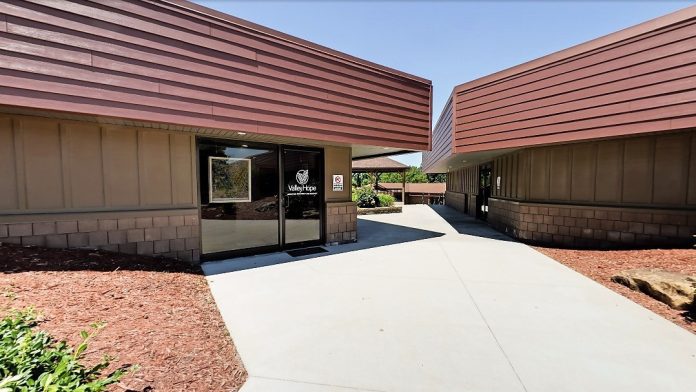
The facility is set on a wooded eight acre campus amidst rolling hills just outside of Columbia. The surrounding trees create a peaceful sense of being immersed in nature. This fosters calm and reflection during recovery. It’s perfect if you’re seeking that serene and supportive environment where you can focus on your recovery without everyday distractions. They also boast various modern amenities including spacious semi-private rooms with large beds, well equipped entertainment lounge and a fitness center.
This facility has an impressive reputation for quality and individualized treatment. Their Joint Commission accreditation confirms this commitment to quality. Their multidisciplinary care professionals are said to be compassionate, experienced and knowledgeable. Medical detox takes place at their highly structured and therapeutic detox units. This is geared towards removing addiction related toxins from your body in preparation for the main therapy. It involves assessment, stabilization and 24/7 supervision by trained physicians. They can prescribe medication or offer crisis counseling if necessary to ease your withdrawal symptoms. This ensures a safe and comfortable detox.
After detox, you can step down to inpatient rehabilitation in continuation of your recovery journey. This program delivers intensive therapy in a structured setting with 24 hour support from the care personnel. Their recovery approach integrates the 12 step philosophy with proven therapy techniques like CBT and motivational interviewing.
This is delivered in group, individual and even family sessions. The goal is to help you address negative behavioral patterns that trigger substance use. You can expect to participate in about 40 hours of sessions weekly. Emphasis is on building sound coping skills and relapse prevention strategies that promote lasting sobriety.
The rehabilitation program also incorporates holistic care like meditation as well as spiritual counseling via chaplain services. This enhances emotional wellness and heals your mind and spirit. Medication assisted treatment (MAT) is provided if relevant to your recovery. This will most likely be the case if you’re struggling with addiction to opioids, alcohol and stimulants.
The facility also champions community engagement via their supportive alumni network. Through sober events, support groups and recreational activities you'll build connections with individuals on a similar journey.
You can step down to intensive outpatient care after inpatient rehabilitation. This enables you to attend therapy and support sessions from home. The sessions are designed to fit your schedule. So you won’t have to stop work or your academic activities to receive treatment. You can expect up to nine hours of therapy sessions weekly. You can join their alumni network for ongoing support and connection to community resources that facilitate lasting sobriety.
Amenities
Private drug rehab provides a comfortable, secure environment that allows you to focus on doing the work to get your life back on track. Benefits include a higher staff-to-client ratio, increased one-on-one time with therapists and healthcare providers, private rooms for clients, and customized forms of therapy.
Residential drug rehab provides the comforts of home with the therapeutic support needed to successfully recover. Benefits of an inpatient program include increased safety, a higher success rate, and the time and distance given to focus on recovery. Residential drug rehabs are often the preferred method of treatment, as they can be tailored to meet specific needs, offer focused therapeutic care, and provide the necessary tools to sustain recovery.
Recreational therapy uniquely combines therapeutic interventions with an activity, like horse-riding, hiking, wilderness therapy, basketball, tennis, or a full workout. Benefits of recreational therapy include providing a healthy way to work through the emotions of recovery, learning to build and maintain relationships, improving communication skills, and building self-esteem.
Art and music are mediums that connect with our feelings, making them a great recovery tool during addiction treatment. Studies show that combining art/music and drug rehab can have a greater therapeutic impact than drug rehab alone, as you’re able to access parts of your brain and body that you may not have access to during traditional talk therapy. Benefits of art/music therapy include lowering stress and anxiety, promoting healthy neurochemicals, and providing stress relief.
In order to maintain a sense of autonomy, many private rehab facilities offer clients the ability to choose their own private rooms. The privacy and personal space ensure that the recovery process is as comfortable as possible.
Addiction Treatment Programs
Addiction treatment for young adults focuses on patients in a unique stage of life. Each young adult program in Missouri offers therapies and activities that are customized to individuals in their teens and twenties.
An adult program in Missouri offers hope to individuals struggling with substance use disorders. Through a variety of therapy methods, these programs treat the disorder and help adults enter and maintain recovery.
The goal of each alcohol rehab in Missouri is to provide effective recovery treatment for alcohol use disorder. To ensure long-term success, treatment includes creating a network of support to help individuals maintain their sobriety after initial rehab is complete.
Treatment at men’s rehab in Missouri is designed to give men the tools they need to cope with challenges, deal with cravings, and live a sober life. Treatment is focused on the unique challenges and root causes of addiction for each man.
Women searching for an addiction treatment program can benefit from women’s rehab in Missouri. These programs offer treatment plans specifically tailored to address issues women face.
Opioid rehab in Missouri typically starts with a medically supervised detox program or medication assisted treatment (MAT) program. Once this stage is completed, participants enter an inpatient or outpatient program that is best suited to meet their unique needs.
As an evidence-based treatment, cognitive behavioral therapy in Missouri is appropriate for inpatient and outpatient settings. This treatment method helps participants change thinking patterns and resulting behaviors and is often included as part of an addiction recovery plan.
Drug rehab in Missouri usually involves several phases: detox, rehab, and aftercare. The rehab phase may include a combination of inpatient and outpatient treatments, as the individual moves through a continuum of care on their recovery journey.
Through the development of cognitive, behavioral, and emotional skills, rational emotive behavioral therapy in Missouri helps participants eliminate irrational beliefs and replace them with healthy ones. This is key to the treatment of substance use disorders.
EMDR Therapy is a neurobiological treatment modality used to address trauma disorders and related mental and behavioral health challenges. Short for eye movement desensitization and reprocessing, EMDR is designed to help clients cope with distressing memories and emotions, including fear, sadness, and anger. EMDR may help clients in addiction recovery manage the psychological and emotional triggers that contribute to substance misuse and/or addiction relapse.
Assertive Community Treatment (ACT) is an integrative, community-based care strategy designed to address the needs of persons with severe and/or complex mental illness or behavioral disorders. ACT is typically provided by a multidisciplinary team of medical and mental health care providers, social workers, therapists, and other specialists, including addiction recovery professionals. These services are frequently provided in the home and community to clients in crisis, those who are clinically unstable, and those who are unable or unwilling to travel to a hospital or clinic for in-person treatment.
During Veteran’s rehab in Missouri, specialists provide addiction treatment that addresses the complex challenges that affect Veterans. Therapy methods may include individual counseling as well as group activities such as recovery support, art and music therapy, physical fitness, and equine therapy.
Levels of Care
When you enter outpatient rehab in Missouri, a recovery expert will evaluate your needs and help you develop a personalized treatment plan. This typically includes one-on-one visits with therapists, group therapy, and support group meetings. The length of outpatient rehab will be determined by your recovery needs.
Missouri dual diagnosis treatment programs specialize in helping people with co-occurring disorders recover from both. They are designed to help you manage your mental health and substance abuse disorders during treatment and throughout your recovery journey.
Aftercare rehab in Missouri removes much of the stress and uncertainty that is often a part of post-recovery challenges. These services help you manage life after treatment and prevent relapse. Aftercare may last a few weeks, but many continue to receive support for a year or more.
When you enter inpatient drug rehab in Missouri, you’ll live at the rehab facility and receive 24/7 care under professional supervision. A combination of treatment interventions will be provided, including individual and group therapy, nutritional counseling, experiential therapies, and medication.
When you decide to enter drug rehab in Missouri, you’ll start with detox. During this step, you’ll receive 24/7 supervision as your body is cleansed of all addictive substances. You may receive medication to ease withdrawal symptoms.
Sober living in Missouri is appropriate for anyone who wants to stop using drugs or alcohol. Many residents have recently completed rehab treatment, but this usually isn’t mandatory. Sober living is a common step to help people transition from rehab to independent living. Typical stays last from five to eight months.
Accreditations
Contact Information


 Sponsored