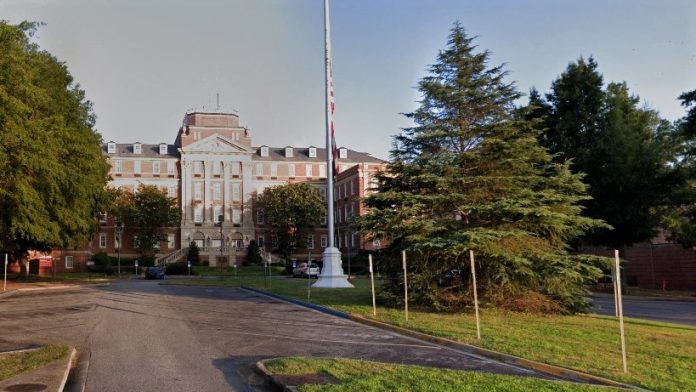
Tuscaloosa Veterans Affairs Medical Center
3701 Loop Road
Tuscaloosa, AL 35404
 Sponsored
About Tuscaloosa Veterans Affairs Medical Center
Veterans and active service people needing support for behavioral health disorders like addiction issues can access treatment at the VA Medical Center in Tuscaloosa, Alabama. They don’t have a department just for addiction treatment. But they do have behavioral health services that can tackle substance use issues and co-occurring mental health disorders. A referral may be required.
Outpatient care isn’t just tailored to your specific needs. Rather, they’re made especially for the issues that many veterans face. Treatment typically includes peer support, individual and group counseling, and medication management to help treat the symptoms of mental health disorders such as low mood or anxiety.
If you need stronger assistance for any addictions, referrals for residential treatment may be provided in severe cases. The great thing about the VA system is that they're all linked, so even if your local clinic doesn't have a specific program, they can quickly get you to a specialist in their network.
This locale offers more than just clinical care. There's a range of holistic treatments for your body, mind, and soul. These include yoga and tai chi classes, meditation and mindfulness training, and massage therapies. Plus, veterans who struggle to get to a VA clinic in person can attend appointments from the comfort of their homes via telehealth or use the excellent online self-help portal. Check 'em out to help get back to your community and loved ones.
Amenities
Transportation services are designed to ensure your addiction treatment begins and ends successfully by offering free transportation to the rehab facility, to and from your appointments during rehab, and back home upon program completion.
Art and music are mediums that connect with our feelings, making them a great recovery tool during addiction treatment. Studies show that combining art/music and drug rehab can have a greater therapeutic impact than drug rehab alone, as you’re able to access parts of your brain and body that you may not have access to during traditional talk therapy. Benefits of art/music therapy include lowering stress and anxiety, promoting healthy neurochemicals, and providing stress relief.
Treatment centers with a yoga studio offer a special form of holistic therapy during the recovery process. Yoga boosts mindfulness, a sense of calm, and healthy reflection during drug rehab via breathing exercises, stretching, and a progression of specific postures.
Yoga and meditation are great activities to support your recovery process during alcohol or drug rehab. These therapies have been around for centuries, and they are an effective way to improve well-being. Combining addiction treatment, yoga, and meditation can reduce cravings, improve sleep, relieve anxiety and depression, provide stress relief, promote relaxation, support emotional healing, and improve energy levels.
The massage room offers a wealth of benefits as part of an overall evidence-based drug and alcohol recovery program. Massage therapy boosts blood flow and flushes lactic acid from the muscles, and the vascular benefits last several days after the massage.
Residential drug rehab provides the comforts of home with the therapeutic support needed to successfully recover. Benefits of an inpatient program include increased safety, a higher success rate, and the time and distance given to focus on recovery. Residential drug rehabs are often the preferred method of treatment, as they can be tailored to meet specific needs, offer focused therapeutic care, and provide the necessary tools to sustain recovery.
Private drug rehab provides a comfortable, secure environment that allows you to focus on doing the work to get your life back on track. Benefits include a higher staff-to-client ratio, increased one-on-one time with therapists and healthcare providers, private rooms for clients, and customized forms of therapy.
In order to maintain a sense of autonomy, many private rehab facilities offer clients the ability to choose their own private rooms. The privacy and personal space ensure that the recovery process is as comfortable as possible.
Addiction Treatment Programs
Drug rehab in Alabama provides medical or psychotherapeutic treatment for drug dependency. Methods of treatment often include a combination of medication, counseling, and recreational therapies.
Rational emotive behavioral therapy in Alabama focuses on beliefs and how they influence an individual’s feelings and actions. It helps the individual identify irrational beliefs and develop healthier thought patterns, which leads to healthier substance use choices.
Adult rehab programs in Alabama provide addiction treatment for men and women ages 18 and older. Treatment focuses on helping adults break their dependence on substances and learn ways to live a sober lifestyle.
The goal of alcohol rehab in Alabama is to help individuals gain tools for long-term sobriety. Treatment empowers participants whose relationships, career, and health have been affected by alcohol use to live a successful life.
Cognitive behavioral therapy in Alabama helps people overcome addiction by managing challenging emotions and thoughts. It is commonly used during addiction and co-occurring disorder treatment.
Women often develop substance use disorders differently than men. Women’s rehab in Alabama addresses these unique developments and provides treatment designed specifically for women.
Men’s rehab in Alabama offers treatment for men who have a substance use disorder. This treatment is designed to target issues that men commonly face when struggling with addiction.
Veterans seeking treatment for substance use disorders can get help at Veteran’s rehab in Alabama. Services may include medical detox, outpatient programs, inpatient rehab, 12-step groups, and specialized programs for Veterans.
The goal of opioid rehab in Alabama is to bring recovery to individuals suffering from opioid use disorder. Treatment breaks through to root issues that drive negative behaviors and helps men and women break free from dependence on opioids.
Elderly rehab in Alabama is addiction treatment designed for older adults. These programs may offer detox, residential treatment, or outpatient treatment as well as case management for aftercare.
Women often develop substance use disorders differently than men. Women’s rehab in Alabama addresses these unique developments and provides treatment designed specifically for women.
A young adult program in Alabama offers treatment tailored to young adults to provide the self-care, connection, and self-understanding they need to move forward in life. This treatment is designed by specialists who are familiar with the challenges of this stage of life.
Levels of Care
Intervention services in Alabama can be an invaluable addiction treatment tool for those looking to get a loved one started on a path toward recovery. Intervention professionals can help you plan and facilitate an intervention, provide access to resources, and assist in developing a personalized treatment plan upon program admission.
When you make the decision to enter an addiction treatment program, detox is usually the first step. Detox in Alabama includes round-the-clock supervision by professional staff, and medications are often used to ease withdrawal symptoms.
Residential or inpatient rehab in Alabama involves living at the rehab facility and receiving 24/7 supervised care. A combination of treatment interventions is offered, including individual and group therapy, nutritional counseling, experiential therapies, and medication.
Many drug rehabs in Alabama offer partial hospitalization programs (PHPs), a type of outpatient treatment that allows you to live at home while receiving addiction treatment at a rehab facility. A typical day is filled with individual and group therapy sessions, recovery education, periodic medical evaluations, and drilling aftercare skills to prevent relapse.
Outpatient rehab in Alabama allows you to attend a few hours of counseling each week, spread out over several days. You can spend the rest of your time at home, working, or fulfilling other obligations. The length of time in this type of program varies by individual.
Rehab aftercare in Alabama begins as soon as your rehab treatment ends. It provides continued support to prevent relapse. Aftercare may include 12-step meetings, follow-up counseling, and ongoing life coaching, which may last for a few weeks, months, or a year or more.
Alabama dual diagnosis treatment takes an integrated approach to substance abuse and mental health disorders that occur simultaneously. Since co-occurring disorders tend to have overlapping symptoms, treating both conditions at the same time is essential for recovery.
Accreditations
Contact Information


 Sponsored