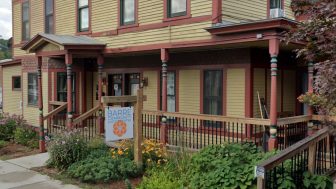
Treatment Associates LLC
73 Main St
# 39
Montpelier, VT 05602
 Sponsored

About Treatment Associates LLC
Treatment Associates Montpelier provides outpatient mental health and addiction recovery services for adults in Montpelier, Vermont. Specialized programming is available for LGBTQ+ persons, justice-involved persons, and persons with co-occurring addiction and mental illness.
Clients receive medical and mental health assessments, personalized care planning, and comprehensive case management. Those in alcohol and/or opioid recovery may enroll in their evidence-based medication-assisted treatment (MAT) program, which may include Suboxone induction and/or maintenance. Clients also engage in intensive, trauma-informed individual, group, and family counseling. The program promotes clients’ sustained sobriety through robust, recovery-focused life-skills training that addresses topics such as coping, self-care, wellness, anger and stress management, disease and medication management, and relapse prevention.
Their aftercare services ensure a complete continuum of care aligned with clients’ evolving needs. These services may include transitional support for clients stepping down from inpatient treatment as well as referrals for medical, mental health, and social service programs. Private insurance and self-pay are accepted.
Amenities
Private drug rehab provides a comfortable, secure environment that allows you to focus on doing the work to get your life back on track. Benefits include a higher staff-to-client ratio, increased one-on-one time with therapists and healthcare providers, private rooms for clients, and customized forms of therapy.
In order to maintain a sense of autonomy, many private rehab facilities offer clients the ability to choose their own private rooms. The privacy and personal space ensure that the recovery process is as comfortable as possible.
Addiction Treatment Programs
When participating in a young adult program in Vermont, you learn how to manage stress and anxiety without alcohol or drugs. Treatment helps them with personal growth, life skills, nutrition, parenting skills, boundaries, and other challenges unique to this stage of life.
If you need support with substance use issues, an adult program in Vermont can help. These programs effectively treat substance use disorders by providing individualized therapies at whatever level of care you need.
Alcohol rehab in Vermont is often the crucial first step for those on a recovery journey. At rehab, men and women find the tools they need to change their thinking, behavior, and environment. This allows them to move forward on their journey and achieve long-term sobriety.
Individuals who receive treatment at a men’s rehab in Vermont enjoy the freedom to speak openly about their struggles. Expectations to be “tough” or “strong” are removed, so men can get the support they need.
Addressing recovery needs that are unique to females, women’s rehab in Vermont allows participants in treatment to bond with each other for mutual support. This creates a sense of community, open and honest communication, and better long-term treatment outcomes.
When you choose opioid rehab in Vermont, you’ll receive the support you need to develop healthy coping skills and learn how to live a sober lifestyle. This treatment allows individuals to address the issues behind addiction and achieve long-term recovery.
A person with substance dependence can achieve recovery through drug rehab in Vermont. Professional staff provide a combination of interventions that are designed to help you attain and maintain abstinence from drugs.
Levels of Care
The timeline for outpatient rehab in Vermont is different for everyone. The program is tailored to meet your recovery needs, and it may last 90 days or years. During this time, you’ll attend treatment sessions that focus on developing strategies to meet challenges and prevent relapse.
If mental illness is present alongside substance abuse, as it often is, then dual diagnosis treatment in Vermont is necessary. This integrated approach uses methods such as individual and family counseling, medication management, and cognitive-behavioral therapy to address both disorders.
Contact Information


 Sponsored