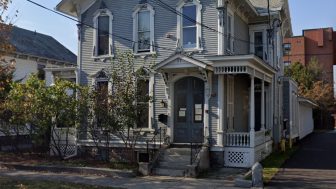
Barre Community Justice Center
 Sponsored
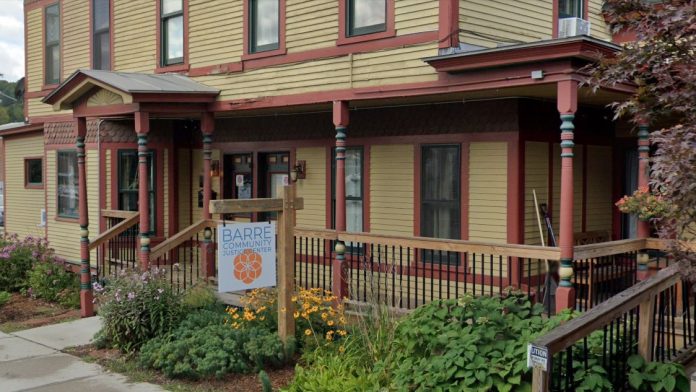
About Barre Community Justice Center
Barre Community Justice Center is a recovery adjacent reentry and sober transitional housing provider in Barre, Vermont supporting men and women returning to the community after incarceration.
Its approach is trauma informed and community centered and I found they emphasize accountability and repair of harm with long term independence.
Reentry and Sober Living Programs
The cornerstone service is a safe and sober transitional housing program for clients leaving incarceration with referrals provided through the Vermont Department of Corrections.
Participants live in supportive apartment based housing while working with case managers on the next steps of recovery and reentry.
Case management connects residents to substance use disorder counseling and mental health treatment, healthcare and food assistance, employment training, and permanent housing.
Participants may also join Circles of Support and Accountability where trained volunteers provide one year of structured mentorship which I know encourages successful sober community reintegration.
Quick Facts About Barre Community Justice Center
- Services offered: Sober transitional housing, case management, restorative justice programming, and COSA mentorship.
- Who they serve: Adult men and women reentering the community after incarceration, including those transitioning from substance use treatment.
- Approach: Restorative justice, trauma informed care, accountability, and community connection.
- Housing model: Multiple sober apartments with support transitioning into independent housing.
- Referrals: Primarily through the Vermont Department of Corrections rather than direct self referral.
- Community support: Volunteer driven COSA teams providing one year of mentorship and accountability.
Addiction Treatment Programs
If you need support with substance use issues, an adult program in Vermont can help. These programs effectively treat substance use disorders by providing individualized therapies at whatever level of care you need.
Alcohol rehab in Vermont is often the crucial first step for those on a recovery journey. At rehab, men and women find the tools they need to change their thinking, behavior, and environment. This allows them to move forward on their journey and achieve long-term sobriety.
A form of psychoterhapy, cognitive behavioral therapy in Vermont helps individuals become aware of thought and behavioral patterns that lead to substance use. It provides coping skills to change patterns and help the individual make better choices in the future.
Individuals who receive treatment at a men’s rehab in Vermont enjoy the freedom to speak openly about their struggles. Expectations to be “tough” or “strong” are removed, so men can get the support they need.
When you choose opioid rehab in Vermont, you’ll receive the support you need to develop healthy coping skills and learn how to live a sober lifestyle. This treatment allows individuals to address the issues behind addiction and achieve long-term recovery.
During rehab, rational emotive behavioral therapy in Vermont can help the individual develop healthier ways to approach stress. They learn new ways to react and cope, so they don’t turn to alcohol or drugs to alleviate negative emotions.
Elderly rehab in Vermont provides individualized addiction treatment plans for older adults. Significant medical issues, as well as co-occurring disorders, are taken into account as treatment plans are developed.
Addressing recovery needs that are unique to females, women’s rehab in Vermont allows participants in treatment to bond with each other for mutual support. This creates a sense of community, open and honest communication, and better long-term treatment outcomes.
When participating in a young adult program in Vermont, you learn how to manage stress and anxiety without alcohol or drugs. Treatment helps them with personal growth, life skills, nutrition, parenting skills, boundaries, and other challenges unique to this stage of life.
Levels of Care
Inpatient alcohol and drug rehab in Vermont offers the most intensive level of care for recovery. It involves living at the facility while participating in counseling sessions, recreation therapy, and other forms of treatment.
It is common for people in recovery to remain in Vermont aftercare rehab for several weeks or months, and many use these resources for a year or more. This program offers ongoing support to successfully navigate initial life challenges in recovery.
If mental illness is present alongside substance abuse, as it often is, then dual diagnosis treatment in Vermont is necessary. This integrated approach uses methods such as individual and family counseling, medication management, and cognitive-behavioral therapy to address both disorders.
One of the most valuable tools offered at drug rehabs in Vermont are intervention services. These services give family members the education and resources they need to conduct effective interventions and guide loved ones to the best treatment plans for their recovery needs.
A Vermont sober living house offers an interim step for your recovery journey. You’ll live in a supervised, drug- and alcohol-free environment with rules and a structured schedule. This stable setting allows you to practice sober living before moving out on your own after rehab treatment.
Contact Information


 Sponsored
Kimberly Hawkins holds a master’s degree in computing and information sciences from East Tennessee State University. She is a content writer specializing in alcoholism, drug addiction, and co-occurring disorders. Kimberly has been passionate about the subject of addiction since her only sibling passed away due to an accidental overdose. Her other interests include playing the piano, being in tranquil natural environments, and spending time with her adult children.
Rehabs.org regularly reviews this listing for accuracy but changes may occur between updates. For the most up-to-date information, please contact Barre Community Justice Center.