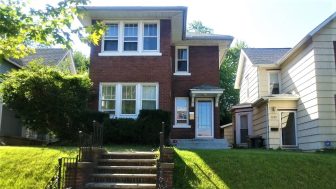
The Upper Room Recovery Community
333 N Main St
South Bend, IN 46601
 Sponsored
About The Upper Room Recovery Community
For faith based sober living in South Bend, Indiana, you can try The Upper Room Recovery Community. You’ll usually go to a home like this after finishing an addiction program.
You’ll live in a safe place while adjusting to new routines and responsibilities. Those living with you become your recovery community. You’ll support and help each other. They’ll help you find an Alcoholics Anonymous group to join. If you’re interested in growing spiritually, they can help you.
What I like about them is that they accept everybody. As a Christian home, they don’t turn people away who are part of other belief systems. People of all races and gender orientations are welcome. They just want to see you get your life back.
People say this home gave them stability and helped them rebuild their lives. Others talk about the staff as loving and say they care deeply. Many describe them as helpful and kind.
Addiction Treatment Programs
An adult program in Indiana offers recovery services to those who have become addicted to drugs or alcohol. Treatment may include inpatient or outpatient services, medication, and a variety of therapy methods.
If you choose an alcohol rehab in Indiana, you’ll progress through four stages of recovery. Rehab begins with treatment initiation, then moves to early abstinence, then maintaining abstinence, and finally advanced recovery. The outcome is a new, healthy sober lifestyle.
Men’s rehab in Indiana allows for greater participant engagement by offering same-gender treatment sessions. Often, men feel more comfortable in these settings, so they are more willing to share and receive support.
Women’s rehab in Indiana can be very beneficial for participants. These programs offers services that are designed specifically for women, which can help participants overcome the unique challenges they face.
During opioid rehab in Indiana, addiction specialists help individuals stop abusing prescription drugs or other opioids. Comprehensive treatment includes inpatient rehab, behavioral therapy methods, and alternative therapies. Many rehabs in Indiana include detox and medication assisted treatment.
For long-term recovery from drug addiction, drug rehab in Indiana is often key. This treatment gives individuals who are struggling with a substance use disorder the tools to manage their disorder and achieve long-term sobriety.
Women’s rehab in Indiana can be very beneficial for participants. These programs offers services that are designed specifically for women, which can help participants overcome the unique challenges they face.
Levels of Care
Indiana outpatient rehab focuses on providing tools necessary to stay sober. This involves several weekly counseling sessions and involvement in at least one support group, such as NA or AA, for several weeks or months. During that time, you’ll learn how to replace unhealthy habits with healthy ones and prevent relapse.
Dual diagnosis in Indiana treats co-occurring disorders, meaning it addresses both your mental health and recovery needs. A multidisciplinary team of psychiatrists and addiction experts work together to ensure all aspects of your mental and physical health are treated.
Detox in Indiana involves 24/7 professional care while substances are cleansed from your body. Medications are often given to alleviate withdrawal symptoms during this time. The process varies in length, depending on your history of dependency and the type of drug.
Sober living in Indiana often acts as a bridge between rehab and independent living. In this setting, you’ll start applying the things you learned in rehab to begin living a sober lifestyle. Because the first few months can be your most vulnerable, the sober living house will provide structure to help you maintain sobriety.
Intervention services in Indiana can help you convince your loved one to get the treatment they need. Professionals are available to provide pre-intervention counseling to family members, facilitate an intervention, and assist with the development of a treatment plan.
Contact Information


 333 N Main St
South Bend, IN 46601 Sponsored
333 N Main St
South Bend, IN 46601 Sponsored