IAFF Center of Excellence
13400 Edgemeade Rd
Upper Marlboro, MD 20772
 Sponsored
About IAFF Center of Excellence
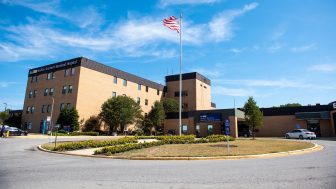
The IAFF Center of Excellence for Behavioral Health is affiliated with Advanced Recovery Systems. The center is located in Upper Marlboro, Maryland. Treatment is exclusively for members of the International Association for FireFighters who are struggling with trauma, substance use and other behavioral health challenges.
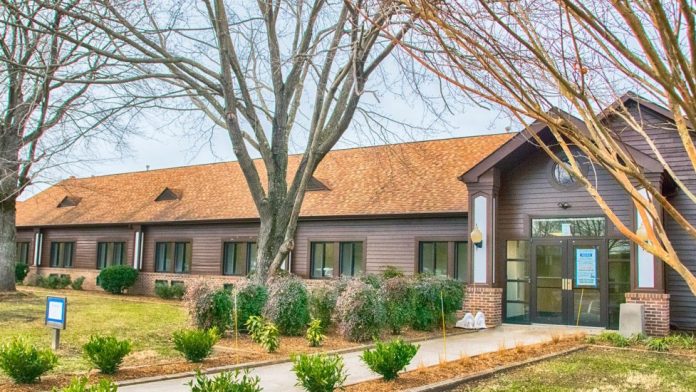
I like that their campus is on 15 acres. With so many acres, they offer outside areas for reflection. There is a state of the art gym to encourage physical activity that aids in recovery, while also preparing you to return back to the job.
If you’ll be needing detox, the medical professionals will be able to help manage your discomfort. They provide 24/7 support. Once you complete detox, then you’ll be able to graduate to their residential treatment.
The inpatient residential treatment lets you live at the center. You will participate in treatment during the day. You partake in individual and group sessions, take classes, and learn coping skills that aid in your sobriety commitment.
You’re able to still live at the center when you graduate to the partial hospitalization program and intensive outpatient treatment. With the partial hospitalization program, you attend daily group therapy and weekly individual and family sessions. They also offer healing activities like journaling, yoga, and sports. The intensive outpatient program will offer individual, group, and family therapy sessions several times a week. Your counselor will also work with you to develop an aftercare plan.
Amenities
Acupuncture is one of the most popular luxurious and alternative therapies offered by rehabs. An acupuncture room provides benefits like pain reduction, improved sleep, a healthy immune system, and a decrease in anxiety.
Art and music are mediums that connect with our feelings, making them a great recovery tool during addiction treatment. Studies show that combining art/music and drug rehab can have a greater therapeutic impact than drug rehab alone, as you’re able to access parts of your brain and body that you may not have access to during traditional talk therapy. Benefits of art/music therapy include lowering stress and anxiety, promoting healthy neurochemicals, and providing stress relief.
When used as part of an evidence-based treatment plan, basketball can boost physical and mental health, lead to sharper thinking, and facilitate improved self-esteem. Drug rehabs with a basketball court also place a focus on teamwork and cooperation.
Business centers are a preferred amenity in many mental health and addiction recovery facilities and typically feature secure, high-speed internet, computer stations, printers, and related business technologies. Business centers are designed to enable professionals and students to continue to participate in work or school activities without leaving the treatment facility.
When paired with cognitive-behavioral therapy, exercise can be an effective tool for overcoming addiction. Drug rehabs with a gym offer clients healthy ways to increase energy levels, balance the body’s stress hormone levels, and aid in the brain’s healing process.
Yoga and meditation are great activities to support your recovery process during alcohol or drug rehab. These therapies have been around for centuries, and they are an effective way to improve well-being. Combining addiction treatment, yoga, and meditation can reduce cravings, improve sleep, relieve anxiety and depression, provide stress relief, promote relaxation, support emotional healing, and improve energy levels.
Music can be extremely therapeutic, serving as a valuable healing tool and an integrative feature of a holistic treatment plan. A music room offers a large number of outlets, including singing, playing musical instruments, and listening to music.
Private drug rehab provides a comfortable, secure environment that allows you to focus on doing the work to get your life back on track. Benefits include a higher staff-to-client ratio, increased one-on-one time with therapists and healthcare providers, private rooms for clients, and customized forms of therapy.
Transportation services are designed to ensure your addiction treatment begins and ends successfully by offering free transportation to the rehab facility, to and from your appointments during rehab, and back home upon program completion.
Recreational therapy uniquely combines therapeutic interventions with an activity, like horse-riding, hiking, wilderness therapy, basketball, tennis, or a full workout. Benefits of recreational therapy include providing a healthy way to work through the emotions of recovery, learning to build and maintain relationships, improving communication skills, and building self-esteem.
Swimming increases blood flow to the body and brain, boosts white blood cells, and improves muscle strength, lung capacity, and overall stamina. Drug rehabs with a swimming pool offer physical and mental benefits to complement the recovery process.
Treatment centers with a yoga studio offer a special form of holistic therapy during the recovery process. Yoga boosts mindfulness, a sense of calm, and healthy reflection during drug rehab via breathing exercises, stretching, and a progression of specific postures.
Addiction Treatment Programs
During crucial developmental years, addiction can cause cognitive impairment, increase risky behavior, and impair social development. A young adult program in Maryland can help individuals learn to make healthy choices and avoid these downfalls of addiction.
A typical adult program in Maryland offers a private setting for rehabilitation from alcohol or drugs. Treatment often includes group therapy, individual counseling, and family support and may occur in a residential facility or through outpatient care.
If you desire to discontinue alcohol use, alcohol rehab in Maryland can help. Through detox, counseling, and aftercare, these programs can help you break free from alcohol dependence.
Men’s rehab in Maryland helps men recover from substance use disorders and start rebuilding their lives. Therapies focus on men only and their unique needs.
Women’s rehab in Maryland provides an environment where women can step back from daily stresses and distractions to focus on their recovery. The caring, safe surroundings help create positive recovery outcomes.
Opioid rehab in Maryland takes place in a safe, supportive environment that minimizes access to opioids and reduces stressors that trigger relapse. Treatment often begins with medical detox, followed by inpatient rehab that may last 30 to 90 days. Aftercare is provided to help maintain long-term sobriety.
Cognitive behavioral therapists use multiple exercises during cognitive behavioral therapy in Maryland. A combination of imagery-based exposure, behavioral experiments, and thought records can provide effective treatment for addiction and co-occurring disorders.
Once a person becomes addicted to a substance, drug rehab in Maryland is often necessary to overcome that addiction. These programs provide the tools individuals need to manage the physical, mental, and emotional issues involved and begin a successful recovery journey.
Women’s rehab in Maryland provides an environment where women can step back from daily stresses and distractions to focus on their recovery. The caring, safe surroundings help create positive recovery outcomes.
Rational emotive behavioral therapy in Maryland states that behaviors, feelings, and thoughts are interconnected. The premise of this therapy is to identify irrational thoughts, so you can experience more positive feelings that lead to healthier behaviors.
EMDR Therapy is a neurobiological treatment modality used to address trauma disorders and related mental and behavioral health challenges. Short for eye movement desensitization and reprocessing, EMDR is designed to help clients cope with distressing memories and emotions, including fear, sadness, and anger. EMDR may help clients in addiction recovery manage the psychological and emotional triggers that contribute to substance misuse and/or addiction relapse.
Fitness therapy is an evidence-based complementary approach to addiction recovery and mental health care. Based on mounting scientific evidence of the benefits of physical activity in improving mood, enhancing clients’ sense of wellbeing, and decreasing depression and anxiety, fitness therapy encompasses a wide spectrum of intensities, from gentle yoga, qigong, and tai chi to weight training, kickboxing, and other highly physical activities.
Levels of Care
Outpatient rehab in Maryland is best suited for those who are coping well in recovery but need ongoing treatment. This level of rehab offers accountability and support through regular therapy sessions and support group meetings. It may last for weeks or months, based on your ongoing recovery needs.
If you have both a mental health and substance use disorder, these cannot be treated independently. They interact, so the treatment must be integrated. Dual diagnosis treatment in Maryland is designed to treat both co-occurring disorders.
Addiction challenges don’t end after rehab. To maintain good health and sobriety, you’ll need to continue to manage your addiction. Aftercare rehab in Maryland helps you by providing continued access to specialists, counselors, and life coaches for as long as you need them.
The most intensive level of care is known as inpatient rehab. It involves living at the facility until you finish your program, receiving extensive individual and group addiction counseling, recovery-focused life skills training, and complementary therapies.
Maryland drug rehabs often start with detox. During this initial step, your body will be cleansed of all addictive substances. You’ll remain under constant supervision and may receive medication to alleviate withdrawal symptoms.
A Maryland sober living home is appropriate for those who want to abstain from drugs and alcohol but need a high level of accountability. If you don’t have strong support at home or have been resistant to treatment in the past, this structured environment can provide the support you need to maintain sobriety in the first few months of recovery.
Intervention services are often necessary before treatment at a drug rehab in Maryland can begin. These professional services help you encourage your loved one to get the treatment they need. Support includes intervention facilitation, education about treatment plan options, and guidance in selecting the best program for your loved one.
People with busy lifestyles or young children tend to benefit from partial hospitalization programs (PHPs) in Maryland. This type of recovery program offers structured addiction treatment services while still allowing you to live at home.
Accreditations
Accepted Insurance



Contact Information


 Sponsored