
The Carolina Center for Behavioral Health
2700 East Phillips Road
Greer, SC 29650
 Sponsored
About The Carolina Center for Behavioral Health
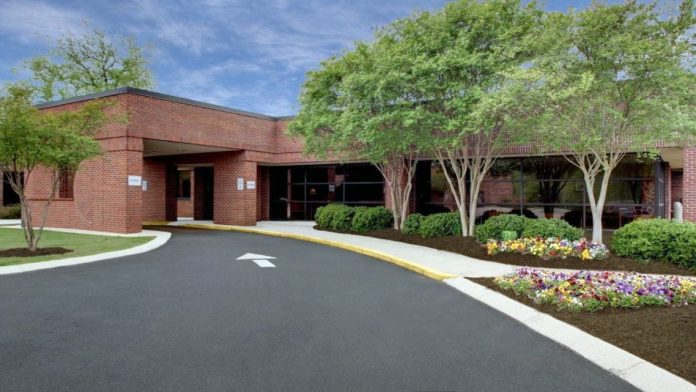
The Carolina Center for Behavioral Health is a comprehensive care facility that works with adults, adolescents, and seniors who have a substance use disorder or co occurring health struggle. There are also specialized treatment programs for seniors. You'll find compassionate care here that is tailored to your unique struggles. You’ll find ‘em in Greer, South Carolina.
Treatment is offered in inpatient (IP), partial hospitalization (PHP), and intensive outpatient (IOP) settings. With round the clock care and evidence based care, you'll have access to the support you need for sustainable sobriety. There is also telehealth support for more flexible treatment.
They accept policies from most major insurance providers including TRICARE and Medicare.
I appreciate that the care here is comprehensive and you'll find treatments that are age appropriate and directed toward your recovery needs. You’ll undergo an initial assessment where an individualized treatment plan will be designed for your specific addiction or mental health struggles.
In inpatient care, you’ll have access to detox. There’s medication assisted treatment (MAT) that will help you manage withdrawal symptoms and ongoing cravings. Other supports include 24 hour intensive nursing so that detox happens safely. Once stabilized, you’ll move into counseling.
Outpatient services here include individual and group counseling. You'll learn strategies and techniques that you can use to develop healthier skills for a sober future. You can also get connected to 12 Step-style programs like Alcoholics Anonymous or Narcotics Anonymous. These programs will give you a pillar of support you can turn to during the difficult parts of your recovery.
If you have a co-occurring diagnosis, you’ll also have access to psychiatric support as well. I appreciate that there are both adolescent and senior programs as well. These programs offer age appropriate and specialized care.
Amenities
Private drug rehab provides a comfortable, secure environment that allows you to focus on doing the work to get your life back on track. Benefits include a higher staff-to-client ratio, increased one-on-one time with therapists and healthcare providers, private rooms for clients, and customized forms of therapy.
Residential drug rehab provides the comforts of home with the therapeutic support needed to successfully recover. Benefits of an inpatient program include increased safety, a higher success rate, and the time and distance given to focus on recovery. Residential drug rehabs are often the preferred method of treatment, as they can be tailored to meet specific needs, offer focused therapeutic care, and provide the necessary tools to sustain recovery.
Recreational therapy uniquely combines therapeutic interventions with an activity, like horse-riding, hiking, wilderness therapy, basketball, tennis, or a full workout. Benefits of recreational therapy include providing a healthy way to work through the emotions of recovery, learning to build and maintain relationships, improving communication skills, and building self-esteem.
Art and music are mediums that connect with our feelings, making them a great recovery tool during addiction treatment. Studies show that combining art/music and drug rehab can have a greater therapeutic impact than drug rehab alone, as you’re able to access parts of your brain and body that you may not have access to during traditional talk therapy. Benefits of art/music therapy include lowering stress and anxiety, promoting healthy neurochemicals, and providing stress relief.
Music can be extremely therapeutic, serving as a valuable healing tool and an integrative feature of a holistic treatment plan. A music room offers a large number of outlets, including singing, playing musical instruments, and listening to music.
Hiking is a great way to relieve stress, get perspective, navigate challenges, connect with nature, and improve your health - all essential components of sustaining long-term recovery. Studies also show that the body releases endorphins during physical activities like hiking. These endorphins improve mood and act as a natural pain reliever.
In order to maintain a sense of autonomy, many private rehab facilities offer clients the ability to choose their own private rooms. The privacy and personal space ensure that the recovery process is as comfortable as possible.
When paired with cognitive-behavioral therapy, exercise can be an effective tool for overcoming addiction. Drug rehabs with a gym offer clients healthy ways to increase energy levels, balance the body’s stress hormone levels, and aid in the brain’s healing process.
When used as part of an evidence-based treatment plan, basketball can boost physical and mental health, lead to sharper thinking, and facilitate improved self-esteem. Drug rehabs with a basketball court also place a focus on teamwork and cooperation.
Rehabs that offer mountain views provide beautiful spaces for clients to explore, de-stress, and take part in outdoor or wilderness therapy programs. The mountain surroundings can be a great help to the recovery process, as sobriety may be better achieved while surrounded by a serene setting in nature.
Addiction Treatment Programs
A young adult program in South Carolina focuses only on young adults and their developmental needs as they face addiction issues. Treatment addresses the unique challenges of this stage of life and helps young adults work through recovery.
The goal of an adult program in South Carolina is to help individuals who have substance use disorders achieve the highest level of independence and best quality of life attainable. This is accomplished through a variety of counseling and therapy methods tailored to the individual.
Alcohol rehab in South Carolina includes outpatient and inpatient programs. Inpatient requires participants to live at the facility, while outpatient programs provide daily support while the individual lives at home. The goal of both is to address addiction issues and help participants achieve long-term sobriety.
Men’s rehab in South Carolina can provide an environment where men feel safe from judgment and are comfortable sharing about their struggles. This can be key to successful recovery.
Women’s rehab in South Carolina focuses on physical, emotional, and spiritual support for women who are struggling with addiction. Often, women feel more relaxed and recover more quickly in these gender-specific settings.
Opioid rehab in South Carolina offers hope for those struggling with opioid use disorder. Professional treatment can reduce withdrawal symptoms and address the mental and physical issues of addiction so you can begin to heal.
Therapists often use cognitive behavioral therapy in South Carolina to help individuals learn how to deal with challenging situations without the use of substances. This treatment often includes role-playing techniques.
Get the tools you need to fight back against addiction at drug rehab in South Carolina. Rehab treatment helps you overcome drug dependency, manage cravings, and prevent relapse. This is accomplished through individualized treatment that addresses a full spectrum of physical, social, and emotional needs.
Elderly rehab in South Carolina provides a safe haven for older adults who want to recover from alcohol or drug addiction. Highly trained staff are familiar with the challenges of addiction among the elderly and customize treatment to meet these needs.
Women’s rehab in South Carolina focuses on physical, emotional, and spiritual support for women who are struggling with addiction. Often, women feel more relaxed and recover more quickly in these gender-specific settings.
Veterans often experience stress from deployment, combat exposure, and reintegration into civilian life. Veteran’s rehab in South Carolina addresses these challenges to provide effective addiction treatment for active and retired military personnel.
When you receive addiction treatment that includes rational emotive behavioral therapy in South Carolina, you learn different ways of thinking and responding to life challenges. These skills help you manage triggers and cravings and achieve long-term recovery.
Assertive Community Treatment (ACT) is an integrative, community-based care strategy designed to address the needs of persons with severe and/or complex mental illness or behavioral disorders. ACT is typically provided by a multidisciplinary team of medical and mental health care providers, social workers, therapists, and other specialists, including addiction recovery professionals. These services are frequently provided in the home and community to clients in crisis, those who are clinically unstable, and those who are unable or unwilling to travel to a hospital or clinic for in-person treatment.
Levels of Care
South Carolina outpatient rehab often helps people transition back to their lives from inpatient rehab. This less restrictive program involves attending regular counseling sessions and support group meetings. The length of outpatient rehab varies from short-term to long-term, based on each person’s recovery journey.
Treating a substance abuse disorder without treating a co-occurring mental health disorder is not effective. If you have co-occurring disorders, you need dual diagnosis treatment in South Carolina to properly address all your recovery needs.
Aftercare rehab in South Carolina gives you the guidance and support you need once you complete rehab. As you face temptations and life challenges, it provides resources to overcome hurdles and maintain sobriety. Common services include life coaching, counseling, and support groups. This aftercare often continues for a year or more after initial treatment.
Inpatient drug rehab in South Carolina can last anywhere from a few weeks to more than 90 days, depending on the program. During that time, you will live at the rehab facility and receive treatment such as counseling, medication, and forms of holistic therapy.
Your first phase of drug rehab in South Carolina is detox. You’ll receive 24/7 supervised care while your body is cleansed of all toxins. Once this process is complete, you are able to move on to the next steps of recovery.
South Carolina sober living provides a safe and supportive living environment to help you maintain a sober lifestyle. These homes often serve as a transition between rehab treatment and independent living. A typical stay lasts between five and eight months, but can be for as long as you need it.
The ultimate goal of intervention services in South Carolina is to motivate your loved one to get the treatment they need. This is accomplished through professional intervention facilitation and the development of an effective treatment plan that meets your loved one’s needs.
Partial hospitalization programs (PHPs) in South Carolina often provide a bridge between inpatient and outpatient care. With PHPs, you participate in intensive treatment sessions approximately five days a week for several hours each day, then you can return home at night.
Accreditations
Accepted Insurance


Contact Information


 Sponsored
Nearby Treatment Centers

1187 Holland Rd
Simpsonville, SC 29681
576 Woodruff Rd
Greenville, SC 29607
157 Brozzini Ct
Suite A
Greenville, SC 29615
103 S Venture Dr
Greenville, SC 29615
