Tellurian, Inc.
300 Femrite Dr
Madison, WI 53716
 Sponsored
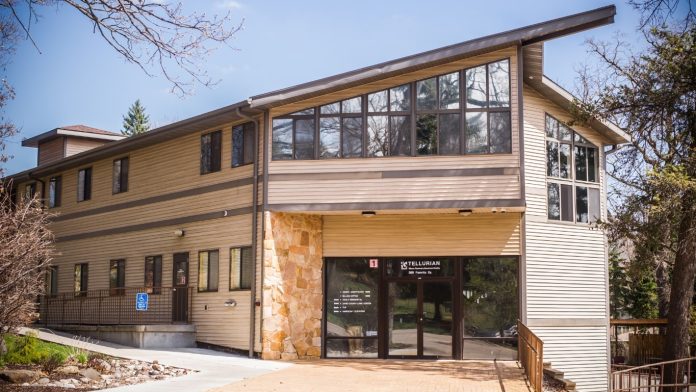
About Tellurian, Inc.
Tellurian, Inc. is a comprehensive addiction treatment center in Madison, Wisconsin, offering a full continuum of care for adults struggling with substance use and co-occurring mental health disorders. Located on Femrite Drive, the program provides medically monitored detox, residential treatment, outpatient counseling and specialized opioid treatment services. Tellurian emphasizes integrated, whole-person care that combines evidence based therapies, medication assisted treatment and peer recovery support.
Addiction Treatment Programs at Tellurian, Inc.
Treatment often begins with medically monitored withdrawal management, where clients receive safe, supervised support to detox from alcohol or other drugs. Adults who need intensive structure can transition into residential treatment, which, I've learned, offers 24-hour support, individual and group counseling and case management in a structured environment.
Tellurian also offers outpatient counseling, day treatment and an Opioid Treatment Program (OTP) that provides FDA-approved medications such as methadone, buprenorphine or naltrexone alongside counseling and case management. Each program, I've learned, integrates mental health services, peer support and recovery planning to address co-occurring disorders and build long-term skills for sustained recovery.
Quick Facts About Tellurian, Inc.
- Location: 300 Femrite Drive, Madison, Wisconsin, part of Tellurian's multi-location network across the Madison area
- Levels of care: Detox (withdrawal management), residential treatment, day treatment, outpatient counseling and opioid treatment services
- Who they treat: Adults with substance use disorders, including alcohol, opioids and other drugs, as well as co-occurring mental health concerns
- Treatment approach: Integrated care using individual and group counseling, medication assisted treatment, case management and peer recovery support
- Payment options: Accepts most private health insurance plans and ForwardHealth (Wisconsin Medicaid)
Begin Your Recovery Journey
To learn more about Tellurian, Inc. in Madison, Wisconsin, contact the admissions team, who can review and verify insurance benefits and help individuals select their care.
Amenities
Art and music are mediums that connect with our feelings, making them a great recovery tool during addiction treatment. Studies show that combining art/music and drug rehab can have a greater therapeutic impact than drug rehab alone, as you’re able to access parts of your brain and body that you may not have access to during traditional talk therapy. Benefits of art/music therapy include lowering stress and anxiety, promoting healthy neurochemicals, and providing stress relief.
When used as part of an evidence-based treatment plan, basketball can boost physical and mental health, lead to sharper thinking, and facilitate improved self-esteem. Drug rehabs with a basketball court also place a focus on teamwork and cooperation.
When paired with cognitive-behavioral therapy, exercise can be an effective tool for overcoming addiction. Drug rehabs with a gym offer clients healthy ways to increase energy levels, balance the body’s stress hormone levels, and aid in the brain’s healing process.
Hiking is a great way to relieve stress, get perspective, navigate challenges, connect with nature, and improve your health - all essential components of sustaining long-term recovery. Studies also show that the body releases endorphins during physical activities like hiking. These endorphins improve mood and act as a natural pain reliever.
Private drug rehab provides a comfortable, secure environment that allows you to focus on doing the work to get your life back on track. Benefits include a higher staff-to-client ratio, increased one-on-one time with therapists and healthcare providers, private rooms for clients, and customized forms of therapy.
Wilderness rehab programs offer all the benefits of a traditional drug rehab, but with the added benefits of outdoor adventure. Venture out into the forest to learn new skills, explore the beauty of nature, and relieve stress. Engaging in wilderness activities is a great way to gain self-discovery and release negative emotions.
Treatment centers with a yoga studio offer a special form of holistic therapy during the recovery process. Yoga boosts mindfulness, a sense of calm, and healthy reflection during drug rehab via breathing exercises, stretching, and a progression of specific postures.
Addiction Treatment Programs
Individuals in their late teens and early twenties can find help for addiction at a young adult program in Wisconsin. These settings provide a comfortable, safe atmosphere where young adults feel at ease and treatment is customized to meet their unique needs.
Each adult program in Wisconsin is unique, but most use common treatment methods. A combination of social support, medication, and therapies provide the interventions needed to help participants achieve recovery.
Alcohol rehab in Wisconsin provides treatment for alcohol use disorder. Those struggling with excessive alcohol use and related consequences receive interventions, support, and tools to address these issues and move forward on their recovery journey.
During men’s rehab in Wisconsin, men can be more vulnerable. Gender-specific treatment helps them feel free to speak openly about their experiences and emotions. Participants also meet other men who understand what they’re going through.
Women face different pressures and challenges than men. Women’s rehab in Wisconsin acknowledges these differences and provides addiction treatment specifically for women.
Effective opioid rehab in Wisconsin includes medical detox, co-occurring disorder treatment, behavioral therapy, and aftercare. Often, a combination of cognitive-behavioral therapy and medication assisted treatment is helpful.
Cognitive behavioral therapy in Wisconsin can be an effective treatment method for substance use disorders. Treatment techniques, which can be used in individual and group settings, include relapse prevention, motivational interventions, and coping strategies.
The goal of drug rehab in Wisconsin is to come at addiction from every angle. This complex issue involves physical, mental, and relational aspects that must be addressed. During rehab, treatment focuses on each of these areas and gives you the tools you need to manage them without substance use.
The challenges related to substance abuse vary depending on life stage and an individual’s physical and mental health. Elderly rehab in Wisconsin is tailored to meet the needs of seniors, wherever they are on the health spectrum.
Women face different pressures and challenges than men. Women’s rehab in Wisconsin acknowledges these differences and provides addiction treatment specifically for women.
Veteran’s rehab in Wisconsin caters to Veterans who are battling addiction and co-occurring mental health concerns. Specialized recovery tracks are designed for military personnel and first responders.
Through rational emotive behavioral therapy in Wisconsin, individuals become aware of how their beliefs affect their emotions and responses to events. Participants replace negative beliefs with positive ones so they can manage reactions and develop healthier patterns.
Assertive Community Treatment (ACT) is an integrative, community-based care strategy designed to address the needs of persons with severe and/or complex mental illness or behavioral disorders. ACT is typically provided by a multidisciplinary team of medical and mental health care providers, social workers, therapists, and other specialists, including addiction recovery professionals. These services are frequently provided in the home and community to clients in crisis, those who are clinically unstable, and those who are unable or unwilling to travel to a hospital or clinic for in-person treatment.
Levels of Care
Compared to inpatient treatment, outpatient rehab in Wisconsin requires less time commitment. You’ll attend a few hours of treatment per week as well as support group meetings such as AA or NA. There is no set timeline for completion, but many people remain in outpatient rehab for several months.
Experts in mental health and addiction integrate their services to provide dual diagnosis treatment in Wisconsin. This treatment is designed for anyone who has both a substance abuse disorder and a mental health disorder, such as depression or anxiety.
Recovery is a life-long process. Aftercare rehab in Wisconsin sets you up for success on this journey. It begins after initial treatment ends and continues to provide support as you start on your new sober path. Ongoing counseling, career guidance, financial support, and other practical resources help you stay on the right track.
When you undergo detox in Wisconsin, you receive 24/7 care as medical professionals help your body rid itself of all addictive substances. This process varies in length, depending on history of use and drug type.
While living in a Wisconsin sober living home, you are usually required to submit to random drug tests and attend regular 12-step meetings. These policies, along with requirements to contribute to rent and other household responsibilities, provide a structured environment that helps you strengthen sobriety skills.
The goal of intervention in Wisconsin is to guide your loved one to the treatment they need. These services include education, resources, and support to help family members stage effective interventions and choose the best treatment program for their loved one’s needs.
For those who don’t require 24/7 supervision but still need intensive drug rehab in Wisconsin, partial hospitalization programs (PHPs) are often a good fit. A PHP provides similar recovery groups, therapies, and wellness services offered in residential programs, but gives you the freedom to return home at the end of the day.
Inpatient alcohol and drug rehab in Wisconsin is often a good fit for those who need intensive care as they start their recovery process. In this setting, you will live at the facility and receive 24/7 supervision while participating in various therapy sessions.
Accreditations
Contact Information


 Sponsored