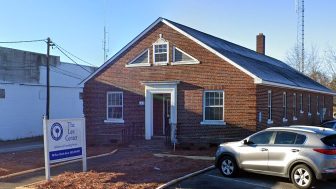
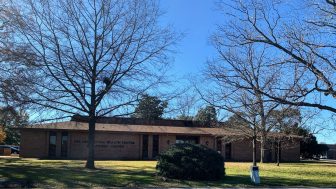
Crossroads Treatment Center of Hartsville, SC
1451 Retail Row
Hartsville, SC 29550
 Sponsored
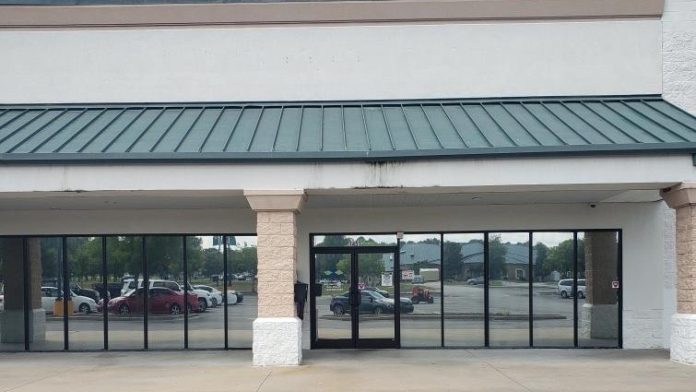
About Crossroads Treatment Center of Hartsville, SC
Crossroads Treatment Center of Hartsville, SC is an outpatient addiction treatment provider in Hartsville, South Carolina, specializing in medication assisted treatment for opioid use disorder. The center combines FDA-approved medications with counseling, behavioral therapies and case management to support long-term recovery.
What kinds of treatment does Crossroads Treatment Center of Hartsville offer?
Crossroads provides outpatient medication assisted treatment using methadone and buprenorphine (Suboxone) to reduce withdrawal symptoms and cravings. Services include individual, group and family counseling, cognitive behavioral therapy, relapse prevention education and case management with referrals to community resources.
Who can get help at this center?
The Hartsville location serves individuals struggling with opioid addiction. The team develops individualized treatment plans for each patient, with a patient-first approach that addresses unique recovery needs.
What other services are available?
Crossroads, I've found, offers drug screenings, naloxone (Narcan) education to prevent overdose, guest dosing for patients traveling or relocating, peer support services and telehealth options for counseling when clinically appropriate. I've also found that their case managers help connect clients to additional resources that support stability and recovery.
Amenities
Residential drug rehab provides the comforts of home with the therapeutic support needed to successfully recover. Benefits of an inpatient program include increased safety, a higher success rate, and the time and distance given to focus on recovery. Residential drug rehabs are often the preferred method of treatment, as they can be tailored to meet specific needs, offer focused therapeutic care, and provide the necessary tools to sustain recovery.
Addiction Treatment Programs
A young adult program in South Carolina focuses only on young adults and their developmental needs as they face addiction issues. Treatment addresses the unique challenges of this stage of life and helps young adults work through recovery.
The goal of an adult program in South Carolina is to help individuals who have substance use disorders achieve the highest level of independence and best quality of life attainable. This is accomplished through a variety of counseling and therapy methods tailored to the individual.
Alcohol rehab in South Carolina includes outpatient and inpatient programs. Inpatient requires participants to live at the facility, while outpatient programs provide daily support while the individual lives at home. The goal of both is to address addiction issues and help participants achieve long-term sobriety.
Men’s rehab in South Carolina can provide an environment where men feel safe from judgment and are comfortable sharing about their struggles. This can be key to successful recovery.
Women’s rehab in South Carolina focuses on physical, emotional, and spiritual support for women who are struggling with addiction. Often, women feel more relaxed and recover more quickly in these gender-specific settings.
Opioid rehab in South Carolina offers hope for those struggling with opioid use disorder. Professional treatment can reduce withdrawal symptoms and address the mental and physical issues of addiction so you can begin to heal.
Therapists often use cognitive behavioral therapy in South Carolina to help individuals learn how to deal with challenging situations without the use of substances. This treatment often includes role-playing techniques.
Get the tools you need to fight back against addiction at drug rehab in South Carolina. Rehab treatment helps you overcome drug dependency, manage cravings, and prevent relapse. This is accomplished through individualized treatment that addresses a full spectrum of physical, social, and emotional needs.
Women’s rehab in South Carolina focuses on physical, emotional, and spiritual support for women who are struggling with addiction. Often, women feel more relaxed and recover more quickly in these gender-specific settings.
Veterans often experience stress from deployment, combat exposure, and reintegration into civilian life. Veteran’s rehab in South Carolina addresses these challenges to provide effective addiction treatment for active and retired military personnel.
Assertive Community Treatment (ACT) is an integrative, community-based care strategy designed to address the needs of persons with severe and/or complex mental illness or behavioral disorders. ACT is typically provided by a multidisciplinary team of medical and mental health care providers, social workers, therapists, and other specialists, including addiction recovery professionals. These services are frequently provided in the home and community to clients in crisis, those who are clinically unstable, and those who are unable or unwilling to travel to a hospital or clinic for in-person treatment.
Levels of Care
South Carolina outpatient rehab often helps people transition back to their lives from inpatient rehab. This less restrictive program involves attending regular counseling sessions and support group meetings. The length of outpatient rehab varies from short-term to long-term, based on each person’s recovery journey.
Aftercare rehab in South Carolina gives you the guidance and support you need once you complete rehab. As you face temptations and life challenges, it provides resources to overcome hurdles and maintain sobriety. Common services include life coaching, counseling, and support groups. This aftercare often continues for a year or more after initial treatment.
Your first phase of drug rehab in South Carolina is detox. You’ll receive 24/7 supervised care while your body is cleansed of all toxins. Once this process is complete, you are able to move on to the next steps of recovery.
The ultimate goal of intervention services in South Carolina is to motivate your loved one to get the treatment they need. This is accomplished through professional intervention facilitation and the development of an effective treatment plan that meets your loved one’s needs.
Accreditations
Contact Information


 Sponsored