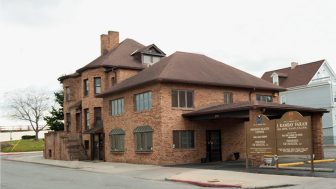
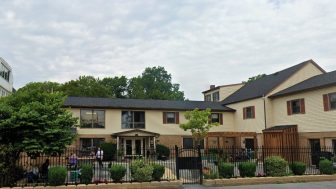
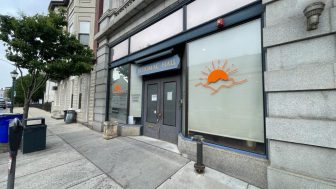
Sheppard Pratt – Outpatient Mental Health Center – Hagerstown
328 North Potomac Street
Hagerstown, MD 21740
 Sponsored
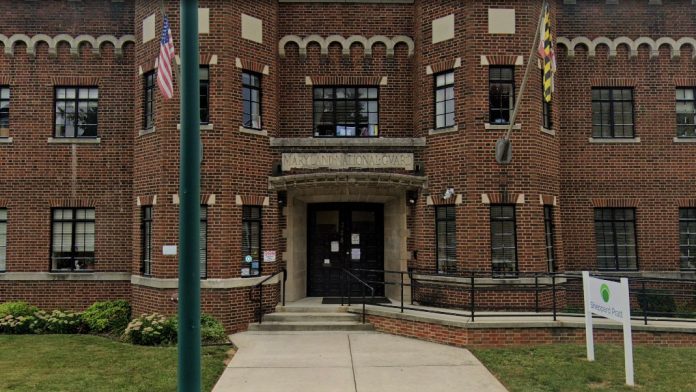
About Sheppard Pratt – Outpatient Mental Health Center – Hagerstown
If you’re looking for an outpatient substance use disorder treatment facility in Hagerstown, Maryland, you’ll find the Sheppard Pratt Outpatient Mental Health Clinic Hagerstown near the Hagerstown Skate Park. They treat adolescents, adults and older adults.
When treating addiction, they also provide help for any co-occurring mental health conditions like depression, anxiety or PTSD. They can also help you with other conditions that often come along with substance use disorder such as behavioral issues and relationship troubles.
They treat chemical dependency through thorough assessments, support groups, family therapy and substance use education. You may find it helpful for them to manage your medications. Their counselors are trained in play therapy for children.
They accept many private health insurers as well as Maryland Medicare, Medicaid, Medical Assistance, and self pay.
Amenities
Private drug rehab provides a comfortable, secure environment that allows you to focus on doing the work to get your life back on track. Benefits include a higher staff-to-client ratio, increased one-on-one time with therapists and healthcare providers, private rooms for clients, and customized forms of therapy.
Addiction Treatment Programs
During crucial developmental years, addiction can cause cognitive impairment, increase risky behavior, and impair social development. A young adult program in Maryland can help individuals learn to make healthy choices and avoid these downfalls of addiction.
A typical adult program in Maryland offers a private setting for rehabilitation from alcohol or drugs. Treatment often includes group therapy, individual counseling, and family support and may occur in a residential facility or through outpatient care.
Cognitive behavioral therapists use multiple exercises during cognitive behavioral therapy in Maryland. A combination of imagery-based exposure, behavioral experiments, and thought records can provide effective treatment for addiction and co-occurring disorders.
Animal & equine therapy are evidence-based complementary therapies drawing on the emotional, psychological, and physiological benefits of regular contact with animals. Addiction recovery programs may incorporate the care of therapy dogs, cats, horses, and other animals into their treatment model to support clients’ development of recovery-focused life skills, including personal responsibility, time management, and empathy. Contact with therapy animals may reduce stress, enhance mood, decrease depression and anxiety, and increase clients’ self-esteem and sense of wellbeing.
Assertive Community Treatment (ACT) is an integrative, community-based care strategy designed to address the needs of persons with severe and/or complex mental illness or behavioral disorders. ACT is typically provided by a multidisciplinary team of medical and mental health care providers, social workers, therapists, and other specialists, including addiction recovery professionals. These services are frequently provided in the home and community to clients in crisis, those who are clinically unstable, and those who are unable or unwilling to travel to a hospital or clinic for in-person treatment.
Sound & Music Therapy are complementary treatment modalities frequently used in addiction recovery to support clients’ physical, mental, and emotional wellbeing through the use of auditory stimuli, from nature sounds and Tibetan singing bowls to drum circles and rhythmic melodies. The treatment is believed to reduce symptoms of anxiety and depression and may offer relief for those experiencing chronic pain, which can decrease clients’ risk of addiction relapse.
Levels of Care
The most intensive level of care is known as inpatient rehab. It involves living at the facility until you finish your program, receiving extensive individual and group addiction counseling, recovery-focused life skills training, and complementary therapies.
A Maryland sober living home is appropriate for those who want to abstain from drugs and alcohol but need a high level of accountability. If you don’t have strong support at home or have been resistant to treatment in the past, this structured environment can provide the support you need to maintain sobriety in the first few months of recovery.
Outpatient rehab in Maryland is best suited for those who are coping well in recovery but need ongoing treatment. This level of rehab offers accountability and support through regular therapy sessions and support group meetings. It may last for weeks or months, based on your ongoing recovery needs.
If you have both a mental health and substance use disorder, these cannot be treated independently. They interact, so the treatment must be integrated. Dual diagnosis treatment in Maryland is designed to treat both co-occurring disorders.
Contact Information


 Sponsored