
Sheppard Pratt – Baltimore/Washington Campus
 Sponsored
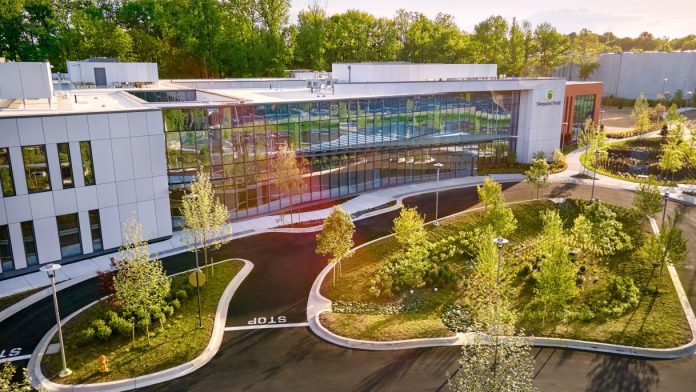
About Sheppard Pratt – Baltimore/Washington Campus
Sheppard Pratt Baltimore/Washington Campus is a treatment program in Elkridge, Maryland. Substance use care here is an inpatient unit for adults, and the campus holds five inpatient units along with four day hospitals.
I did note that residential treatment isn't offered at this campus, and outpatient addiction services are a separate program.
Paying for the Day Hospital
If you're worried about paying for the adult day hospital, I found that Sheppard Pratt accepts Medicare and Medicaid for that program. It also accepts private insurance and self pay.
The day hospital is group mental health treatment on weekdays, from 8 a.m. to 3 p.m., so those hours take a workday. You go home in the afternoon.
Who the Co-Occurring Unit Admits
Sheppard Pratt's co-occurring unit in Elkridge has 17 beds. It's for adults from 18 to 65 who have a mental illness together with a substance use problem. Because it's inpatient, a person on that unit is away from work for the admission.
Children and adolescents are admitted on other units, and there's one for ages 12 through 17.
There's also psychiatric urgent care on the campus.
Amenities
Art and music are mediums that connect with our feelings, making them a great recovery tool during addiction treatment. Studies show that combining art/music and drug rehab can have a greater therapeutic impact than drug rehab alone, as you’re able to access parts of your brain and body that you may not have access to during traditional talk therapy. Benefits of art/music therapy include lowering stress and anxiety, promoting healthy neurochemicals, and providing stress relief.
In order to maintain a sense of autonomy, many private rehab facilities offer clients the ability to choose their own private rooms. The privacy and personal space ensure that the recovery process is as comfortable as possible.
Addiction treatment in the metro area benefits clients by offering seamless connections from the city, around the state, and those seeking out-of-state treatment. Another benefit of attending a metro area drug rehab is that you’re close to major airports and ground transportation services.
Business centers are a preferred amenity in many mental health and addiction recovery facilities and typically feature secure, high-speed internet, computer stations, printers, and related business technologies. Business centers are designed to enable professionals and students to continue to participate in work or school activities without leaving the treatment facility.
Residential drug rehab provides the comforts of home with the therapeutic support needed to successfully recover. Benefits of an inpatient program include increased safety, a higher success rate, and the time and distance given to focus on recovery. Residential drug rehabs are often the preferred method of treatment, as they can be tailored to meet specific needs, offer focused therapeutic care, and provide the necessary tools to sustain recovery.
Addiction Treatment Programs
The Adolescent Unit is a secure 17-bed inpatient unit for adolescents ages 12 through 17. That age range is the group it takes.
A typical adult program in Maryland offers a private setting for rehabilitation from alcohol or drugs. Treatment often includes group therapy, individual counseling, and family support and may occur in a residential facility or through outpatient care.
If you desire to discontinue alcohol use, alcohol rehab in Maryland can help. Through detox, counseling, and aftercare, these programs can help you break free from alcohol dependence.
Men’s rehab in Maryland helps men recover from substance use disorders and start rebuilding their lives. Therapies focus on men only and their unique needs.
Women’s rehab in Maryland provides an environment where women can step back from daily stresses and distractions to focus on their recovery. The caring, safe surroundings help create positive recovery outcomes.
Cognitive behavioral therapists use multiple exercises during cognitive behavioral therapy in Maryland. A combination of imagery-based exposure, behavioral experiments, and thought records can provide effective treatment for addiction and co-occurring disorders.
Once a person becomes addicted to a substance, drug rehab in Maryland is often necessary to overcome that addiction. These programs provide the tools individuals need to manage the physical, mental, and emotional issues involved and begin a successful recovery journey.
Through elderly rehab in Maryland, seniors can find the help they need to overcome addiction. These age-specific rehab programs address substance use disorders, dual diagnosis, and age-related challenges.
Opioid rehab in Maryland takes place in a safe, supportive environment that minimizes access to opioids and reduces stressors that trigger relapse. Treatment often begins with medical detox, followed by inpatient rehab that may last 30 to 90 days. Aftercare is provided to help maintain long-term sobriety.
Levels of Care
Outpatient rehab in Maryland is best suited for those who are coping well in recovery but need ongoing treatment. This level of rehab offers accountability and support through regular therapy sessions and support group meetings. It may last for weeks or months, based on your ongoing recovery needs.
If you have both a mental health and substance use disorder, these cannot be treated independently. They interact, so the treatment must be integrated. Dual diagnosis treatment in Maryland is designed to treat both co-occurring disorders.
The most intensive level of care is known as inpatient rehab. It involves living at the facility until you finish your program, receiving extensive individual and group addiction counseling, recovery-focused life skills training, and complementary therapies.
Intervention services are often necessary before treatment at a drug rehab in Maryland can begin. These professional services help you encourage your loved one to get the treatment they need. Support includes intervention facilitation, education about treatment plan options, and guidance in selecting the best program for your loved one.
Accreditations
Contact Information


 Sponsored
Patti Croft is a full-time writer who writes about accessing effective addiction treatment during the day but is also pursuing her dream of penning a novel in her spare time. She enjoys copious amounts of coffee as creative fuel and sharing an office with her adorable cat, Beau. Her background is in healthcare management, and she is a passionate advocate for mental health and addiction care.
Rehabs.org regularly reviews this listing for accuracy but changes may occur between updates. For the most up-to-date information, please contact Sheppard Pratt – Baltimore/Washington Campus.
Nearby Treatment Centers
8930 Stanford Blvd
Suite M 100
Columbia, MD 21045

9030 MD-108
suite a
Columbia, MD 21044

5136 Dorsey Hall Dr
Suite 105
Ellicott City, MD 21042
8930 Stanford Boulevard
Columbia, MD 21045
Popular Maryland Cities
More Cities View Other Maryland CitiesFAQs
What kind of care does Sheppard Pratt Baltimore/Washington Campus offer?
A 17-bed inpatient unit treats adults 18 to 65 with a mental illness and a substance use problem, which is co-occurring disorders care. The Adult Day Hospital / Partial Hospitalization Program (PHP) runs Monday through Friday, from 8 a.m. to 3 p.m., and you’ll go home each afternoon.
Which ages do the adolescent and adult units take?
The Adolescent Unit takes adolescents ages 12 through 17, in a 17-bed inpatient unit. The General Adult Unit takes adults 18 and older, also in a 17-bed inpatient unit, for a variety of mental health diagnoses; see the inpatient rehab page.
Is psychiatric urgent care available on campus?
Sheppard Pratt’s Psychiatric Urgent Care is for people who need an immediate psychiatric triage. You’ll find 85 beds, plus a gymnasium and 3 basketball courts. A yoga and meditation room, outdoor courtyards and a cafeteria are on site, along with 75 private bedrooms.
