Collaborative Solutions Life at Second Spring South
118 Clark Road
Williamstown, VT 05679
 Sponsored
About Collaborative Solutions Life at Second Spring South
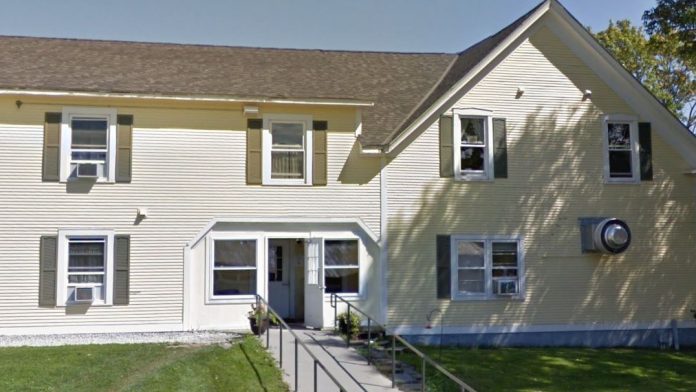
Second Spring Williamstown in Williamstown, Vermont, is a 16-bed intensive residential recovery program. It is one of Collaborative Solutions’ long-term recovery residences for people with mental health and co-occurring disorders. Residents have access to clinical and psychiatric care as well as nursing and case management.
Comfortable Residential Accommodations in Williamstown
One of the best features of this residential program is that each client gets their own room. It comes with a bed, dresser, nightstand and chair. All linens are provided, and they have onsite laundry facilities that are included in your fees.
Each resident can make use of all the inviting common areas. These have TVs, stereos, books, computers, internet access and even a piano. The grounds feature a pond, a garden, lush green landscaping and a lovely covered porch with a porch swing and other outdoor chairs. I think these surroundings could make Second Spring a lovely place where you can focus on your recovery.
Mental Wellness Exploration for Vermont Residents
At Second Spring they help each client go through a unique process to find mental wellness. I find it valuable that they include access to creative and relaxing activities. You’ll be able to explore fishing, yoga, music, gardening and art as part of your therapy. This helps you develop new healthy habits that you can take with you into the next phase of your recovery when you leave.
Impressively, residents are welcome to attend the staff’s team meetings. These include therapists, nurses, psychiatrists, recovery partners and community service reps.
To help each resident become independent members of their community, Second Spring offers cooking and nutrition, exercise, caring for animals and other group activities. I think this sounds like a fun and social way to gain some excellent life skills.
Amenities
Yoga and meditation are great activities to support your recovery process during alcohol or drug rehab. These therapies have been around for centuries, and they are an effective way to improve well-being. Combining addiction treatment, yoga, and meditation can reduce cravings, improve sleep, relieve anxiety and depression, provide stress relief, promote relaxation, support emotional healing, and improve energy levels.
Art and music are mediums that connect with our feelings, making them a great recovery tool during addiction treatment. Studies show that combining art/music and drug rehab can have a greater therapeutic impact than drug rehab alone, as you’re able to access parts of your brain and body that you may not have access to during traditional talk therapy. Benefits of art/music therapy include lowering stress and anxiety, promoting healthy neurochemicals, and providing stress relief.
Treatment centers with a yoga studio offer a special form of holistic therapy during the recovery process. Yoga boosts mindfulness, a sense of calm, and healthy reflection during drug rehab via breathing exercises, stretching, and a progression of specific postures.
Music can be extremely therapeutic, serving as a valuable healing tool and an integrative feature of a holistic treatment plan. A music room offers a large number of outlets, including singing, playing musical instruments, and listening to music.
There are many pathways to recovery and some journeys take a more labor-intensive approach, by attending a farm-based drug rehab. Farm life has many parallels with recovery: it requires constant tending, nurturing, and creating the conditions necessary to thrive. The benefits of a farm program include learning new skills, building a recovery community, peer support, and contributing to a greater ecosystem.
There’s nothing more distressing than leaving pets at home when leaving for for rehab. That’s why many addiction treatment programs are now pet friendly, allowing you to bring pets with you while attending a residential drug rehab program. These tailored addiction treatment programs provide a private room that has space to comfortably support you and your beloved furry companion.
Addiction Treatment Programs
When participating in a young adult program in Vermont, you learn how to manage stress and anxiety without alcohol or drugs. Treatment helps them with personal growth, life skills, nutrition, parenting skills, boundaries, and other challenges unique to this stage of life.
If you need support with substance use issues, an adult program in Vermont can help. These programs effectively treat substance use disorders by providing individualized therapies at whatever level of care you need.
Individuals who receive treatment at a men’s rehab in Vermont enjoy the freedom to speak openly about their struggles. Expectations to be “tough” or “strong” are removed, so men can get the support they need.
Addressing recovery needs that are unique to females, women’s rehab in Vermont allows participants in treatment to bond with each other for mutual support. This creates a sense of community, open and honest communication, and better long-term treatment outcomes.
A form of psychoterhapy, cognitive behavioral therapy in Vermont helps individuals become aware of thought and behavioral patterns that lead to substance use. It provides coping skills to change patterns and help the individual make better choices in the future.
Animal & equine therapy are evidence-based complementary therapies drawing on the emotional, psychological, and physiological benefits of regular contact with animals. Addiction recovery programs may incorporate the care of therapy dogs, cats, horses, and other animals into their treatment model to support clients’ development of recovery-focused life skills, including personal responsibility, time management, and empathy. Contact with therapy animals may reduce stress, enhance mood, decrease depression and anxiety, and increase clients’ self-esteem and sense of wellbeing.
Sound & Music Therapy are complementary treatment modalities frequently used in addiction recovery to support clients’ physical, mental, and emotional wellbeing through the use of auditory stimuli, from nature sounds and Tibetan singing bowls to drum circles and rhythmic melodies. The treatment is believed to reduce symptoms of anxiety and depression and may offer relief for those experiencing chronic pain, which can decrease clients’ risk of addiction relapse.
Levels of Care
Inpatient alcohol and drug rehab in Vermont offers the most intensive level of care for recovery. It involves living at the facility while participating in counseling sessions, recreation therapy, and other forms of treatment.
If mental illness is present alongside substance abuse, as it often is, then dual diagnosis treatment in Vermont is necessary. This integrated approach uses methods such as individual and family counseling, medication management, and cognitive-behavioral therapy to address both disorders.
It is common for people in recovery to remain in Vermont aftercare rehab for several weeks or months, and many use these resources for a year or more. This program offers ongoing support to successfully navigate initial life challenges in recovery.
Accreditations
Contact Information


 Sponsored