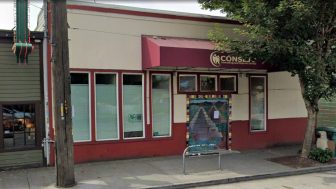
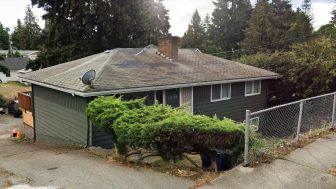
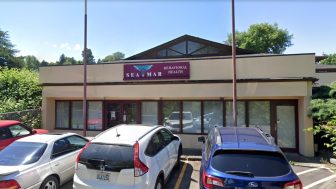
Key Recovery and Life Skills Center
10344 14th Avenue South
Burien, WA 98168
 Sponsored

About Key Recovery and Life Skills Center
Key Recovery and Life Skills Center provides substance abuse treatment in Burien, Washington that focuses on long-term recovery for adults struggling with drug and alcohol addiction. The center offers a structured program with practical life skills training and peer support. Clients appreciate the safe, supportive environment and the focus on building a strong foundation for sustained recovery.
Residential Care Setting
Key Recovery provides long-term residential treatment lasting 6 to 12 months for men and women. The program is based on the 12 steps of Alcoholics Anonymous and includes life skills training, group meetings and individual support to help residents develop the tools they need for long-term sobriety.
Clients spend time with others in recovery who understand their unique challenges and background. I noted that the longer timeframe may offer the necessary space for guests to work through recovery without outside distractions hindering treatment.
Structured Recovery
The extended format is designed for people who benefit from a longer stay in a structured, recovery-focused environment. I found that residents follow a daily schedule that includes an emphasis on practical skills which helps clients learn how to manage daily responsibilities, build healthy routines and prepare for independent living after treatment.
The center is in the greater Seattle area in a peaceful setting for focused recovery work.
Amenities
Private drug rehab provides a comfortable, secure environment that allows you to focus on doing the work to get your life back on track. Benefits include a higher staff-to-client ratio, increased one-on-one time with therapists and healthcare providers, private rooms for clients, and customized forms of therapy.
Residential drug rehab provides the comforts of home with the therapeutic support needed to successfully recover. Benefits of an inpatient program include increased safety, a higher success rate, and the time and distance given to focus on recovery. Residential drug rehabs are often the preferred method of treatment, as they can be tailored to meet specific needs, offer focused therapeutic care, and provide the necessary tools to sustain recovery.
Addiction Treatment Programs
Options for a young adult program in Washington include residential programs, sober living homes, recovery support groups, specialized counseling, family therapy, alternative therapy, and social skills development. These rehab treatments often include therapy to address co-occurring disorders.
For those aged 18 and older, an adult program in Washington can help in overcoming addiction. You can get effective treatment for substance use disorders and related mental health issues at the level of care that works best for you.
During alcohol rehab in Washington, you’ll participate in a variety of individual and group therapy sessions. These treatments are designed to help you address issues related to substance use and develop new coping skills. The goal is to empower you to achieve long-term recovery.
Men’s rehab in Washington focuses on specific challenges faced by men, including relationship dynamics. Gender-specific treatment helps men repair damage to their relationships and get the support they need.
Women’s rehab in Washington effectively treats drug and alcohol addiction by addressing the unique needs of substance-dependent women, which provides an opportunity to break the addiction cycle and embrace long-term recovery.
Cognitive behavioral therapy in Washington teaches healthy coping strategies. Treatment includes setting goals, learning communication skills, and cognitive-behavioral strategies to manage triggers.
Effective drug rehab in Washington integrates care for the whole person, offering comprehensive solutions to addiction. Treatment methods address mental, physical, and relational aspects of substance abuse.
An elderly rehab in Washington is customized for the age, health, and psychological concerns of older adults. Treatment provides relevant resources that address issues specific to this population.
Levels of Care
Outpatient rehab in Washington is often a good option if you’re in long-term recovery and need ongoing coaching to avoid relapse. This treatment provides accountability and support while you maintain other life responsibilities.
When substance abuse and mental illness are both present, you need specialized treatment to achieve recovery. Both the substance abuse and mental health disorder must be treated by dual diagnosis treatment in Washington.
You don’t have to face life alone after you complete rehab. Aftercare rehab in Washington provides ongoing support as you begin your new life in recovery. You’ll receive practical, emotional, and mental support to overcome hurdles and maintain sobriety.
Inpatient alcohol and drug rehab in Washington offers the most intensive level of care for those who need 24/7 clincial supervision. You will live at the facility for four to 12 weeks, and receive treatment such as individual and group therapy, medication, and recreational therapies.
Most Washington sober living homes serve one gender, and residents typically stay for several months. These structured settings provide a stable environment for those who need extra accountability beyond 12-step meetings. Strict house rules and requirements encourage sober living and development of recovery skills.
Intervention services in Washington are often key to starting the recovery journey. These services include pre-intervention counseling for family members, planning and facilitation of of the intervention, educational resources for treatment planning, and assistance with admission to drug rehab in Washington.
Accreditations
Contact Information


 Sponsored