
Samaritan Inns
2523 14th Street Northwest
Washington, Washington DC 20009
 Sponsored
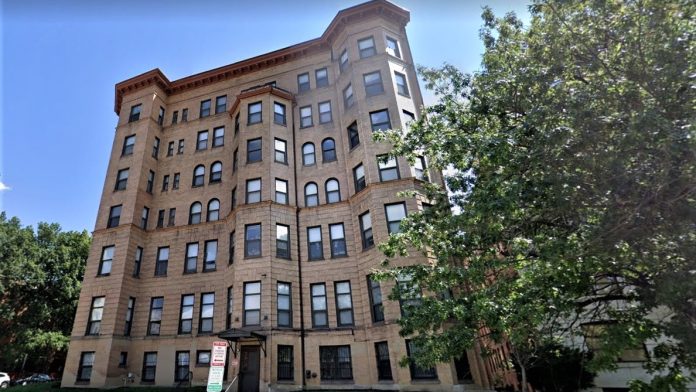
About Samaritan Inns
Samaritan Inns exists to help the homeless, at-risk and most vulnerable people of Washington DC by providing faith-based residential addiction treatment. With residences that meet every stage of recovery, they treat all people without discrimination.
They use 12 Step recovery principles combined with spiritual meetings and addiction counseling by qualified counselors. They treat people from the understanding that underlying issues can cause addiction. They help people deal with grief, trauma, injustice, abuse, poverty, and mental health disorders to release them from the grip of addiction.
While they operate from a Christian perspective, they offer a program that respects individual faith. Doing this means nobody is excluded from getting the help they need.
People say this is a great program. They describe it as a lighthouse in the dark. Others say the people working there are passionate about helping those who’re struggling. They describe the environment as warm and welcoming. Their programs are certified as a Medicaid approved provider.
Amenities
In order to maintain a sense of autonomy, many private rehab facilities offer clients the ability to choose their own private rooms. The privacy and personal space ensure that the recovery process is as comfortable as possible.
Private drug rehab provides a comfortable, secure environment that allows you to focus on doing the work to get your life back on track. Benefits include a higher staff-to-client ratio, increased one-on-one time with therapists and healthcare providers, private rooms for clients, and customized forms of therapy.
Addiction Treatment Programs
Adults who have substance use disorders have often been through a lot — trauma, getting and losing jobs, having and losing housing, and more. In Washington, DC, an adult rehab can help you focus on these experiences and learn to process and manage them without turning to substance use.
Effective alcohol rehab in Washington, DC, helps you address the reasons you turn to alcohol and develop new, healthier coping mechanisms. The treatment center can also connect you to ongoing support services to help you maintain long-term sobriety.
Cognitive Behavioral Therapy in Washington, DC, allows people to address unhelpful ways of thinking and behaving by challenging their thinking patterns. This allows participants to overcome thinking distortions and develop better coping skills so they can move away from substance use.
In Washington, DC, drug rehab treatment addresses the physical, emotional, and mental elements of addiction. You’ll learn why you turn to substance use, how you can address those issues in healthier ways, how to handle cravings, how to create a support network and have fun without substances, and much more.
A men’s rehab in Washington, DC, addresses mental and emotional concerns that are common to men, which might include sharing emotions, vulnerability, anger management, and trauma. Addressing these unique issues in a community with other men can help participants heal and develop healthy coping mechanisms so they don’t need to turn to substance use.
Opioid addiction is both physical and psychological. Opioid rehab in Washington, DC, helps participants overcome the physical aspects of withdrawal and cravings and address the mental and emotional reasons they began to misuse opioids to begin with.
Women experience life differently than men, so having a specific women’s rehab can be helpful. A women’s rehab in Washington, DC, can address pregnancy concerns, mothering skills, and the unique experiences women have that might lead to substance use, leading to a more effective treatment experience.
Young adults face a lot of uncertainty and pressure as they transition to fully independent living. Young adult rehabs in Washington, DC, can help them address these concerns in healthy ways, develop practical coping skills, and learn essential life skills so they can overcome addiction and live a substance-free lifestyle.
Levels of Care
Detox treatment in Washington DC is designed to rid the client’s body of alcohol and/or drugs in a safe and supportive environment. Medical detox involves intensive clinical supervision in either an inpatient or outpatient setting and may include the prescribing of FDA-approved medications to ease withdrawal symptoms and prevent potentially serious complications. Social detox is a process of managing substance withdrawal without medical intervention and typically includes mental health support, rest, and therapeutic nutrition and hydration.
Inpatient rehabs in Washington DC provide the highest levels of care for clients in early recovery and/or those at an elevated risk of relapse. Inpatient rehab enables clients to reside onsite and focus exclusively on their recovery in a highly structured and supportive environment featuring robust supervision. Typical inpatient services include psychotherapy, recovery-focused life skills training, and complementary therapies; medical detox may also be provided.
In Washington DC, aftercare support is designed to provide a complete continuum of care for clients who have completed formal addiction treatment. Aftercare support is intended to reduce clients’ risk of relapse through a range of services tailored to clients’ evolving needs. Aftercare programs may include alumni support groups, ongoing recovery education, housing and employment assistance, 12 Step Program facilitation, vocational training and career counseling, and referrals for continuing care and other services.
Dual diagnosis care in Washington DC is a specialized, multi-pronged approach to addiction recovery tailored to the unique care needs of persons with co-occurring addiction and mental illness. Dual diagnosis care is predicated on the assumption that lasting recovery can only be achieved if the underlying mental health conditions that contribute to or exacerbate the addiction are also addressed. The dual diagnosis care model typically integrates extensive psychotherapy, recovery education, and pharmacotherapy, if appropriate.
After you finish an addiction treatment program, what’s next? Sober living in Washington, DC, allows you to practice your new skills and build a substance-free lifestyle in a safe, secure, and sober environment. Over time, you’ll get help securing independent living arrangements and maintaining sobriety long-term.
Accreditations
Contact Information


 Sponsored
Nearby Treatment Centers

425 I St NW
#700
Washington, Washington DC 20001
3000 Connecticut Avenue Northwest
Suite 321
Washington, Washington DC 20008
1525 14th Street Northwest
Washington, Washington DC 20005
1638 R St NW
Washington, Washington DC 20009
