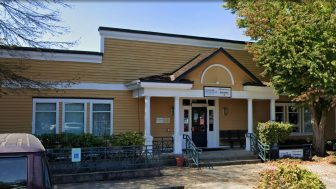
Royal Life Centers at Puget Sound
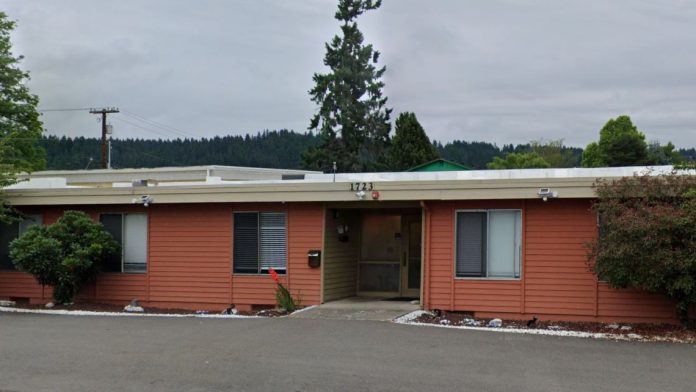
1723 Bonney Avenue
Sumner, WA 98390
 Sponsored
About Royal Life Centers at Puget Sound
Serving the community of Sumner, Washington, Royal Life Centers at Puget Sound provides a residential addiction treatment experience. You’ll have the opportunity to attend inpatient treatment, detox, and case management at this facility. Following inpatient care, you’ll have the option to step down into an intensive outpatient or standard outpatient level of care. A specialized tribal healing program is available here that uses the Wellbriety model of healing.
Following an initial assessment, medical detox is the first step to recovery. Medication-assisted treatment (MAT) may be used to ease withdrawal symptoms and reduce drug cravings. This first step will prepare you for the rest of treatment.
During this phase, you’ll receive three meals per day and participate in a variety of activities. When you move into inpatient treatment you’ll focus on emotions in early recovery and identifying addiction triggers. You’ll engage in group and individual therapy with outdoor activities and medication management.
The intensive outpatient program is a four-week treatment path that many people complete after inpatient treatment. The standard outpatient includes weekly group therapy and monthly individual therapy.
One thing that stands out about this facility is that they are located on a beautiful campus in nature that includes table tennis and a pool. You’ll also have the chance to create art, music and play board games.
Many former clients of Royal Life Centers say they enjoyed their time at the facility. They also said the staff is caring and engaging. Another person said this is the best treatment center they’ve ever been to, hands down.
Amenities
Private drug rehab provides a comfortable, secure environment that allows you to focus on doing the work to get your life back on track. Benefits include a higher staff-to-client ratio, increased one-on-one time with therapists and healthcare providers, private rooms for clients, and customized forms of therapy.
Residential drug rehab provides the comforts of home with the therapeutic support needed to successfully recover. Benefits of an inpatient program include increased safety, a higher success rate, and the time and distance given to focus on recovery. Residential drug rehabs are often the preferred method of treatment, as they can be tailored to meet specific needs, offer focused therapeutic care, and provide the necessary tools to sustain recovery.
Recreational therapy uniquely combines therapeutic interventions with an activity, like horse-riding, hiking, wilderness therapy, basketball, tennis, or a full workout. Benefits of recreational therapy include providing a healthy way to work through the emotions of recovery, learning to build and maintain relationships, improving communication skills, and building self-esteem.
Yoga and meditation are great activities to support your recovery process during alcohol or drug rehab. These therapies have been around for centuries, and they are an effective way to improve well-being. Combining addiction treatment, yoga, and meditation can reduce cravings, improve sleep, relieve anxiety and depression, provide stress relief, promote relaxation, support emotional healing, and improve energy levels.
Art and music are mediums that connect with our feelings, making them a great recovery tool during addiction treatment. Studies show that combining art/music and drug rehab can have a greater therapeutic impact than drug rehab alone, as you’re able to access parts of your brain and body that you may not have access to during traditional talk therapy. Benefits of art/music therapy include lowering stress and anxiety, promoting healthy neurochemicals, and providing stress relief.
Treatment centers with a yoga studio offer a special form of holistic therapy during the recovery process. Yoga boosts mindfulness, a sense of calm, and healthy reflection during drug rehab via breathing exercises, stretching, and a progression of specific postures.
Music can be extremely therapeutic, serving as a valuable healing tool and an integrative feature of a holistic treatment plan. A music room offers a large number of outlets, including singing, playing musical instruments, and listening to music.
In order to maintain a sense of autonomy, many private rehab facilities offer clients the ability to choose their own private rooms. The privacy and personal space ensure that the recovery process is as comfortable as possible.
Wilderness rehab programs offer all the benefits of a traditional drug rehab, but with the added benefits of outdoor adventure. Venture out into the forest to learn new skills, explore the beauty of nature, and relieve stress. Engaging in wilderness activities is a great way to gain self-discovery and release negative emotions.
When used as part of an evidence-based treatment plan, basketball can boost physical and mental health, lead to sharper thinking, and facilitate improved self-esteem. Drug rehabs with a basketball court also place a focus on teamwork and cooperation.
When paired with cognitive-behavioral therapy, exercise can be an effective tool for overcoming addiction. Drug rehabs with a gym offer clients healthy ways to increase energy levels, balance the body’s stress hormone levels, and aid in the brain’s healing process.
Addiction Treatment Programs
Options for a young adult program in Washington include residential programs, sober living homes, recovery support groups, specialized counseling, family therapy, alternative therapy, and social skills development. These rehab treatments often include therapy to address co-occurring disorders.
For those aged 18 and older, an adult program in Washington can help in overcoming addiction. You can get effective treatment for substance use disorders and related mental health issues at the level of care that works best for you.
During alcohol rehab in Washington, you’ll participate in a variety of individual and group therapy sessions. These treatments are designed to help you address issues related to substance use and develop new coping skills. The goal is to empower you to achieve long-term recovery.
Men’s rehab in Washington focuses on specific challenges faced by men, including relationship dynamics. Gender-specific treatment helps men repair damage to their relationships and get the support they need.
Women’s rehab in Washington effectively treats drug and alcohol addiction by addressing the unique needs of substance-dependent women, which provides an opportunity to break the addiction cycle and embrace long-term recovery.
Opioid rehab in Washington begins with breaking your physical dependence on opioids, through safe, supervised detox. After this phase, you will work on overcoming damage caused by opioid use disorder, through a variety of therapy methods. You’ll then receive aftercare to prevent relapse.
Cognitive behavioral therapy in Washington teaches healthy coping strategies. Treatment includes setting goals, learning communication skills, and cognitive-behavioral strategies to manage triggers.
Effective drug rehab in Washington integrates care for the whole person, offering comprehensive solutions to addiction. Treatment methods address mental, physical, and relational aspects of substance abuse.
Addiction often involves irrational thoughts and beliefs. Rational emotive behavioral therapy in Washington helps people identify their irrational thoughts and shift irrational beliefs to decrease destructive behaviors and create attainable goals.
An elderly rehab in Washington is customized for the age, health, and psychological concerns of older adults. Treatment provides relevant resources that address issues specific to this population.
Assertive Community Treatment (ACT) is an integrative, community-based care strategy designed to address the needs of persons with severe and/or complex mental illness or behavioral disorders. ACT is typically provided by a multidisciplinary team of medical and mental health care providers, social workers, therapists, and other specialists, including addiction recovery professionals. These services are frequently provided in the home and community to clients in crisis, those who are clinically unstable, and those who are unable or unwilling to travel to a hospital or clinic for in-person treatment.
Sound & Music Therapy are complementary treatment modalities frequently used in addiction recovery to support clients’ physical, mental, and emotional wellbeing through the use of auditory stimuli, from nature sounds and Tibetan singing bowls to drum circles and rhythmic melodies. The treatment is believed to reduce symptoms of anxiety and depression and may offer relief for those experiencing chronic pain, which can decrease clients’ risk of addiction relapse.
Veteran’s rehab in Washington offers treatment to help Veterans cope with trauma, manage triggers, develop coping skills, and prevent relapse. Programs address mental health symptoms as well as addiction, to provide comprehensive recovery treatment.
Levels of Care
Outpatient rehab in Washington is often a good option if you’re in long-term recovery and need ongoing coaching to avoid relapse. This treatment provides accountability and support while you maintain other life responsibilities.
When substance abuse and mental illness are both present, you need specialized treatment to achieve recovery. Both the substance abuse and mental health disorder must be treated by dual diagnosis treatment in Washington.
You don’t have to face life alone after you complete rehab. Aftercare rehab in Washington provides ongoing support as you begin your new life in recovery. You’ll receive practical, emotional, and mental support to overcome hurdles and maintain sobriety.
Inpatient alcohol and drug rehab in Washington offers the most intensive level of care for those who need 24/7 clincial supervision. You will live at the facility for four to 12 weeks, and receive treatment such as individual and group therapy, medication, and recreational therapies.
When you enter drug rehab in Washington, medical professionals will create a custom detox plan to begin your recovery. This process slowly and safely cleanses your body of addictive substances.
Most Washington sober living homes serve one gender, and residents typically stay for several months. These structured settings provide a stable environment for those who need extra accountability beyond 12-step meetings. Strict house rules and requirements encourage sober living and development of recovery skills.
Intervention services in Washington are often key to starting the recovery journey. These services include pre-intervention counseling for family members, planning and facilitation of of the intervention, educational resources for treatment planning, and assistance with admission to drug rehab in Washington.
Partial hospitalization programs (PHPs) in Washington provide a balance of structured treatment and personal responsibility for your recovery process. You will attend on-site treatment sessions five to seven days a week for several hours each day, then return home afterwards.
Accreditations
Contact Information


 Sponsored