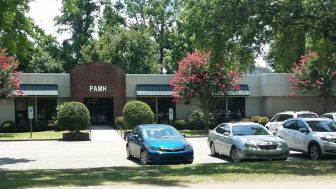
Reflections of Hope
33 Darlington Ave
Wilmington, NC 28403
 Sponsored
About Reflections of Hope
Reflections of Hope is based in Wilmington, North Carolina. This facility is licensed under Dr. Joseph “Luke” Sampson who oversees treatment plans for those in recovery from substance use disorders, specifically opioid use disorder. Reflections of Hope is near many local support groups, churches, and community support spaces, including the Nir Family YMCA and Planet Fitness.
The facility is on the corner of Darlington Ave and Market Street, not far from the University of North Carolina Wilmington campus. Calming and scenic spaces are nearby, including Beaumont Park, Empire Park, and Love Grove Memorial Bridge.
Addiction Focused Treatment in North Carolina
Dr. Sampson provides individualized and addiction centered treatment for those struggling with their sobriety and health. These treatment plans include a focus on relapse prevention and long term recovery. These individual plans can include medication assisted treatments, individual therapy and family therapy. They use methadone, buprenorphine, and Suboxone to reduce cravings from opioids and help you stay sober.
Reflections of Hope and its staff provide medical and behavioral assessments, which are crucial for individuals in any stage of recovery. Opioid addiction is often associated with mental and behavioral disorders. It’s important to address these issues with compassion and work towards trust and healthy relationships for the future.
Positive Patient Testimonials
I’ve read patients praising the compassionate and nonjudgmental staff, including Dr. Sampson, who has aided in their overall recovery. Those testimonials also state the benefits of the holistic and person-focused support, that patients felt like people and not like they were seen only as their addictions.
These patient reviews also state the affordability of the treatments here. This facility accepts most insurance plans and also has self-pay options.
Amenities
Private drug rehab provides a comfortable, secure environment that allows you to focus on doing the work to get your life back on track. Benefits include a higher staff-to-client ratio, increased one-on-one time with therapists and healthcare providers, private rooms for clients, and customized forms of therapy.
Addiction Treatment Programs
Alcohol rehab in North Carolina is a course of treatments that helps participants overcome alcohol dependency. Treatments address physical, mental, and emotional aspects of substance use disorder and help the individual develop healthy habits for long-term recovery.
To overcome opioid addiction, attend opioid rehab in North Carolina. Treatment takes place in inpatient or outpatient care, using a variety of therapies, medications, and other helpful interventions. Length of treatment caries, typically lasting 30, 60, or 90 days.
There are many types of drug rehab in North Carolina. To receive treatment for addiction, you can choose from many inpatient and outpatient programs. Often, participants start with detox and work through a full continuum of care that continues with ongoing support for long-term recovery.
Levels of Care
Nearly all drug rehabs in North Carolina begin with a detox program. When this process is complete, all addictive substances will be purged from your body. You can then move on to the next steps of drug rehab in North Carolina.
When you choose inpatient drug rehab in North Carolina, you’ll live at a rehab facility for 28 to 90 days, depending on the program. Typical methods of treatment include group and individual therapy and family counseling.
Outpatient rehab in North Carolina is often the next step for those who complete an inpatient program. This less restrictive treatment involves several hours of therapy per week, and accountability through 12-step meetings such as AA. You’ll continue this treatment as long as needed, which could be weeks, months, or years.
Recovery journeys often begin with intervention services in North Carolina. This treatment tool provides key support in planning and facilitating an effective intervention. Intervention specialists can also provide resources to develop treatment plans and guide families through the admission process.
Accreditations
Contact Information


 Sponsored