
PORT HEALTH | Wilmington Clinic
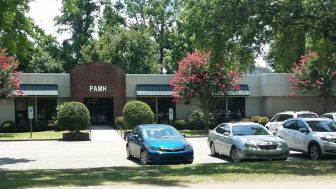
2206A Wrightsville Avenue, Wilmington, NC 28403
Claim this listing Sponsored
About PORT HEALTH | Wilmington Clinic
Port Health Wilmington Clinic in Wilmington, North Carolina provides mental health and addiction treatment services to teens and adults, including the LGBTQ+ community. Medicare, Medicaid and most private health plans are accepted. Meanwhile, sliding scale fees are also available, along with state funding options to offer a helping hand for those who are eligible.
Substance Abuse Care for Individuals and Families
The clinic provides a range of services to help individuals and families overcome addiction and is dedicated to supporting you through your recovery journey with dignity and respect. You’ll be able to access assessments, individual therapy, and group therapy.
The facility’s dedicated substance use prevention team shares information within the local community to promote healthy living, and as a preventative measure to stop addiction before it starts.
Targeted Care For Teens
I notice that this clinic offers a specialized teen substance use treatment program, which has both residential and day treatment options. This is an ideal choice for teens who haven’t seen success through intervention and who might benefit from 24 hour supervision and care.
Medication Assisted Addiction Treatment Services
You can also access medication assisted treatment (MAT) through two of the organization’s programs. The first is Stepping Stone Manor, a targeted men’s only residential program. Meanwhile, the clinic’s on site crisis centers feature 25 beds for clients seeking 24 hour support for withdrawal management or mental health stabilization. Either way, I’m glad to see that the Wilmington outpatient clinic can connect you to the programs within their network that best suit you.
The clinic’s central location is ideally located, with easy access via public transport routes or by car which make it an accessible choice for individuals with mobility needs. While some former clients expressed occasional concerns regarding appointment availability and wait times, feedback is overall positive.
Amenities
Private drug rehab provides a comfortable, secure environment that allows you to focus on doing the work to get your life back on track. Benefits include a higher staff-to-client ratio, increased one-on-one time with therapists and healthcare providers, private rooms for clients, and customized forms of therapy.
Addiction Treatment Programs
When individuals participate in a young adult program in North Carolina, they feel more at ease in a setting that is age-appropriate. Activities, therapies, and aesthetics are all tailored for this age group, so participants can feel comfortable and are more likely to complete the program.
An adult program in North Carolina typically combines individual and group counseling, medical treatment, and various other therapies to treat substance use disorders. Treatment can take place in an inpatient or outpatient setting.
Alcohol rehab in North Carolina is a course of treatments that helps participants overcome alcohol dependency. Treatments address physical, mental, and emotional aspects of substance use disorder and help the individual develop healthy habits for long-term recovery.
Men’s rehab in North Carolina offers customized treatment for men. These programs provide personalized treatment that is designed with the unique needs of men in mind.
Women’s rehab in North Carolina allows women to receive gender-specific treatment tailored to their needs. Programs are available for alcohol, heroin, prescription drugs, benzos, and any other addictive substances, as well as co-occurring disorders.
To overcome opioid addiction, attend opioid rehab in North Carolina. Treatment takes place in inpatient or outpatient care, using a variety of therapies, medications, and other helpful interventions. Length of treatment caries, typically lasting 30, 60, or 90 days.
Many therapists use cognitive behavioral therapy in North Carolina to treat substance use disorders. This goal-oriented method addresses maladaptive thinking and related beliefs that affect behaviors and can lead to addiction.
There are many types of drug rehab in North Carolina. To receive treatment for addiction, you can choose from many inpatient and outpatient programs. Often, participants start with detox and work through a full continuum of care that continues with ongoing support for long-term recovery.
Elderly rehab in North Carolina provides specialized treatment for addiction among adults ages 55 and older or 65 and older. This treatment typically addresses dual diagnosis, substance use disorder, and age-specific concerns of seniors.
Women’s rehab in North Carolina allows women to receive gender-specific treatment tailored to their needs. Programs are available for alcohol, heroin, prescription drugs, benzos, and any other addictive substances, as well as co-occurring disorders.
Veteran’s rehab in North Carolina offers trauma-informed therapy from experienced mental health professionals. These programs offer a supportive and understanding environment to help Veterans recover from substance use disorders and manage co-occurring conditions.
The goal of rational emotive behavioral therapy in North Carolina is to help you develop healthy emotional, behavioral, and cognitive patterns so you can increase your quality of life and achieve sobriety goals. This is accomplished by increasing healthy, rational beliefs.
Levels of Care
Outpatient rehab in North Carolina is often the next step for those who complete an inpatient program. This less restrictive treatment involves several hours of therapy per week, and accountability through 12-step meetings such as AA. You’ll continue this treatment as long as needed, which could be weeks, months, or years.
Some of the most common co-occurring mental health disorders include anxiety, depression, and eating disorders. When these are present alongside substance use disorder, dual diagnosis treatment in North Carolina is necessary to address both conditions.
Aftercare rehab in North Carolina is a crucial part of relapse prevention. It gives you access to resources that will help you manage stress and overcome life hurdles. Typical services include career coaching, financial guidance, and ongoing counseling and emotional support. These may continue for a few months or more than a year after initial rehab.
Nearly all drug rehabs in North Carolina begin with a detox program. When this process is complete, all addictive substances will be purged from your body. You can then move on to the next steps of drug rehab in North Carolina.
Recovery journeys often begin with intervention services in North Carolina. This treatment tool provides key support in planning and facilitating an effective intervention. Intervention specialists can also provide resources to develop treatment plans and guide families through the admission process.
Accreditations
Contact Information


 Sponsored
A talented copywriter, editor, and content strategist, Lauren Lucy Thompson has been tip-tapping away at her keyboard for almost 10 years, now. Whether she’s writing up SEO copy, planning out cross-platform content, or strategizing for PR-worthy brand marketing campaigns — content is Lauren’s specialty. With experience spanning B2B and B2C clientele, she’s written for the likes of Gucci, adidas, Pepsi, Hotels.com, and more. When she’s not scrawling in a notebook or scrolling through Google Docs, she’s practicing as a Deep Tissue Massage Therapist.
Nikki Wisher is an experienced content writer who specializes in health and wellness. With over ten years of experience in healthcare content, she writes about addiction recovery as well as aesthetics and skin care, fitness, mental health, and more. In addition to writing for clients throughout the industry, she operates an inclusive running blog, forallrunners.com.
Rehabs.org regularly reviews this listing for accuracy but changes may occur between updates. For the most up-to-date information, please contact PORT HEALTH | Wilmington Clinic.
Nearby Treatment Centers


Popular North Carolina Cities
More Cities View Other North Carolina CitiesFAQs
What detox and medication-assisted treatment services does PORT Health offer in Wilmington?
PORT Health’s Wilmington Clinic provides detoxification services combined with medication-assisted treatment (MAT) for opioid use disorder. The facility offers FDA-approved medications alongside counseling and behavioral therapies as part of a comprehensive approach to substance use treatment for adults and adolescents.
Does PORT Health treat alcohol and opioid addiction at the Wilmington location?
Yes, PORT Health’s Wilmington Clinic provides substance use disorder treatment for both alcohol and opioid addiction. The facility offers specialized treatment for opioid use disorder including medications and counseling, as well as recovery support services for individuals struggling with addiction to alcohol and other drugs.
What happens if someone has both addiction and mental health conditions at PORT Health?
PORT Health offers integrated co-occurring disorders treatment for individuals with substance use disorders and mental health conditions such as depression, anxiety, and trauma-related symptoms. The clinical team provides combined counseling, psychiatric services, and medication management to address both conditions simultaneously.
Can clients access detox treatment through telehealth at PORT Health Wilmington?
PORT Health provides secure telehealth services for therapy and psychiatry, allowing clients to meet with providers from home using a phone, tablet, or computer. While detoxification typically requires in-person supervision, the facility offers same-day access for initial mental health and substance use assessments to determine appropriate care level.
What support services are available during recovery at PORT Health Wilmington?
PORT Health’s Wilmington Clinic provides peer support services, family support and education, and care coordination that connects clients to community resources. These recovery support services complement individual and group counseling offered through the Substance Use Recovery Program and are designed to support long-term wellness.
How can someone contact PORT Health Wilmington to start detox treatment?
The PORT Health Wilmington Clinic is located at 2206A Wrightsville Avenue, Wilmington, NC 28403. Clients can call (910) 251-3580 Monday through Friday, 8:00am to 5:00pm. The facility offers same-day access for substance use assessments and can discuss detox and treatment options during the initial call.
