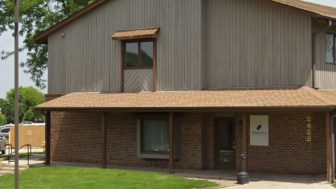
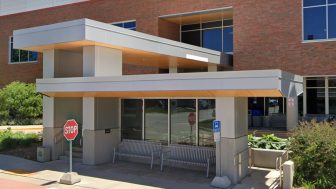
ProHealth Behavioral Health Services
Memorial Hospital, ProHealth, 721 American Ave
UNIT 501
Waukesha, WI 53188
 Sponsored
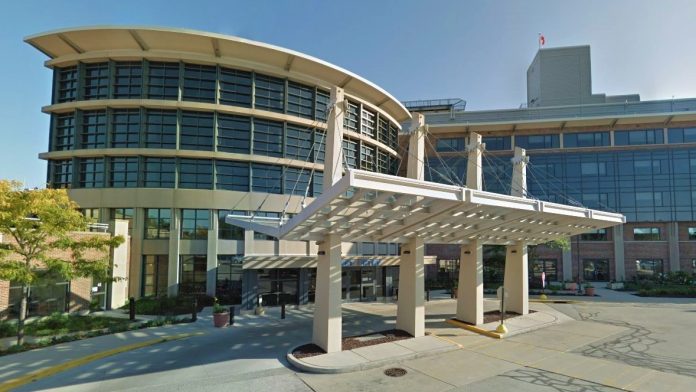
About ProHealth Behavioral Health Services
ProHealth Behavioral Health Services is an outpatient behavioral and mental health clinic in Waukesha, Wisconsin. They're located on the ProHealth Waukesha Memorial Hospital campus.
They offer people substance use treatment support as part of comprehensive behavioral care. I'm impressed by all the services they have. You can get outpatient therapy and intensive outpatient programming. They also have adult partial hospitalization for children, teens, and adults.
I like their approach. They put an emphasis on evidence based treatment for mental health and substance use problems. This includes nicotine and smoking cessation.
Expressive Therapy and Medication Management
They'll start you off with a screening and an assessment. You have to have a referral. From there, you may get outpatient therapy, intensive outpatient programming or day treatment.
They also have adult partial hospitalization with seven hours of daily individual and group therapy, five days per week.
I think their wide range of support is great. You can expect individual, couples, family and group therapy. They have a staff of psychiatrists, psychologists, and counselors.
The'll use different approaches like expressive therapy, medication management and TMS. They'll address cooccurring substance use alongside conditions like anxiety, depression and PTSD.
Quick Facts
- Location: On the ProHealth Waukesha Memorial Hospital campus in Waukesha
- Levels of care: Outpatient therapy, intensive outpatient, day treatment and adult partial hospitalization
- Who they treat: Children, adolescents, adults and older adults with substance use and mental health issues
- Approach: Expressive therapy, medication management and TMS
- Payment options: Accepts many commercial plans, Medicaid and Medicare
- Setting: Hospital campus clinic
Getting Started
You'll usually start with a referral and a screening and assessment.
Their intake team stands out to me. They'll review your needs, explain their programs and help confirm your insurance coverage and payment options.
You should reach out today if you'd like to learn more about behavioral health and cooccurring care in Waukesha.
Amenities
Recreational therapy uniquely combines therapeutic interventions with an activity, like horse-riding, hiking, wilderness therapy, basketball, tennis, or a full workout. Benefits of recreational therapy include providing a healthy way to work through the emotions of recovery, learning to build and maintain relationships, improving communication skills, and building self-esteem.
Art and music are mediums that connect with our feelings, making them a great recovery tool during addiction treatment. Studies show that combining art/music and drug rehab can have a greater therapeutic impact than drug rehab alone, as you’re able to access parts of your brain and body that you may not have access to during traditional talk therapy. Benefits of art/music therapy include lowering stress and anxiety, promoting healthy neurochemicals, and providing stress relief.
Music can be extremely therapeutic, serving as a valuable healing tool and an integrative feature of a holistic treatment plan. A music room offers a large number of outlets, including singing, playing musical instruments, and listening to music.
When paired with cognitive-behavioral therapy, exercise can be an effective tool for overcoming addiction. Drug rehabs with a gym offer clients healthy ways to increase energy levels, balance the body’s stress hormone levels, and aid in the brain’s healing process.
Addiction Treatment Programs
Individuals in their late teens and early twenties can find help for addiction at a young adult program in Wisconsin. These settings provide a comfortable, safe atmosphere where young adults feel at ease and treatment is customized to meet their unique needs.
Each adult program in Wisconsin is unique, but most use common treatment methods. A combination of social support, medication, and therapies provide the interventions needed to help participants achieve recovery.
Alcohol rehab in Wisconsin provides treatment for alcohol use disorder. Those struggling with excessive alcohol use and related consequences receive interventions, support, and tools to address these issues and move forward on their recovery journey.
During men’s rehab in Wisconsin, men can be more vulnerable. Gender-specific treatment helps them feel free to speak openly about their experiences and emotions. Participants also meet other men who understand what they’re going through.
Women face different pressures and challenges than men. Women’s rehab in Wisconsin acknowledges these differences and provides addiction treatment specifically for women.
Effective opioid rehab in Wisconsin includes medical detox, co-occurring disorder treatment, behavioral therapy, and aftercare. Often, a combination of cognitive-behavioral therapy and medication assisted treatment is helpful.
Cognitive behavioral therapy in Wisconsin can be an effective treatment method for substance use disorders. Treatment techniques, which can be used in individual and group settings, include relapse prevention, motivational interventions, and coping strategies.
The goal of drug rehab in Wisconsin is to come at addiction from every angle. This complex issue involves physical, mental, and relational aspects that must be addressed. During rehab, treatment focuses on each of these areas and gives you the tools you need to manage them without substance use.
The challenges related to substance abuse vary depending on life stage and an individual’s physical and mental health. Elderly rehab in Wisconsin is tailored to meet the needs of seniors, wherever they are on the health spectrum.
Women face different pressures and challenges than men. Women’s rehab in Wisconsin acknowledges these differences and provides addiction treatment specifically for women.
Veteran’s rehab in Wisconsin caters to Veterans who are battling addiction and co-occurring mental health concerns. Specialized recovery tracks are designed for military personnel and first responders.
Through rational emotive behavioral therapy in Wisconsin, individuals become aware of how their beliefs affect their emotions and responses to events. Participants replace negative beliefs with positive ones so they can manage reactions and develop healthier patterns.
Fitness therapy is an evidence-based complementary approach to addiction recovery and mental health care. Based on mounting scientific evidence of the benefits of physical activity in improving mood, enhancing clients’ sense of wellbeing, and decreasing depression and anxiety, fitness therapy encompasses a wide spectrum of intensities, from gentle yoga, qigong, and tai chi to weight training, kickboxing, and other highly physical activities.
Levels of Care
Compared to inpatient treatment, outpatient rehab in Wisconsin requires less time commitment. You’ll attend a few hours of treatment per week as well as support group meetings such as AA or NA. There is no set timeline for completion, but many people remain in outpatient rehab for several months.
Experts in mental health and addiction integrate their services to provide dual diagnosis treatment in Wisconsin. This treatment is designed for anyone who has both a substance abuse disorder and a mental health disorder, such as depression or anxiety.
Recovery is a life-long process. Aftercare rehab in Wisconsin sets you up for success on this journey. It begins after initial treatment ends and continues to provide support as you start on your new sober path. Ongoing counseling, career guidance, financial support, and other practical resources help you stay on the right track.
Inpatient alcohol and drug rehab in Wisconsin is often a good fit for those who need intensive care as they start their recovery process. In this setting, you will live at the facility and receive 24/7 supervision while participating in various therapy sessions.
When you undergo detox in Wisconsin, you receive 24/7 care as medical professionals help your body rid itself of all addictive substances. This process varies in length, depending on history of use and drug type.
The goal of intervention in Wisconsin is to guide your loved one to the treatment they need. These services include education, resources, and support to help family members stage effective interventions and choose the best treatment program for their loved one’s needs.
For those who don’t require 24/7 supervision but still need intensive drug rehab in Wisconsin, partial hospitalization programs (PHPs) are often a good fit. A PHP provides similar recovery groups, therapies, and wellness services offered in residential programs, but gives you the freedom to return home at the end of the day.
Accreditations
Contact Information


Memorial Hospital, ProHealth, 721 American Ave
UNIT 501
Waukesha, WI 53188
Sponsored
Amy Greene’s first novel Bloodroot was a New York Times and National Bestseller and a New York Times Editor’s Choice pick. Her second novel Long Man was a Washington Post Top Book of the Year. She lives in the Smoky Mountains of East Tennessee with her husband and two children.
Rehabs.org regularly reviews this listing for accuracy but changes may occur between updates. For the most up-to-date information, please contact ProHealth Behavioral Health Services.