
Kelly House – Closed
Closed: Please See Nearby Facilities
Wilmington, North Carolina
 Sponsored
About Kelly House – Closed
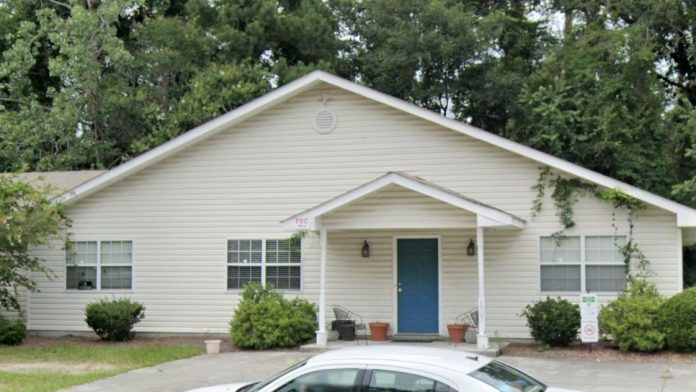
Kelly House on Martin Street was an invaluable resource in Wilmington for more than 40 years but sadly had to cease operations in June 2024 due to costs and the passing of one of the founders of the program. Prior to closing Kelly House helped women with young children to find healing, stability, and a healthier future through residential therapeutic treatment in the community. It was specifically for women who qualified for SNAP or Medicaid.
Many Services Available
The nonprofit organization that had operated Kelly House has combined and expanded many of their programs to help individuals, families, and communities be healthier and happier by taking care of physical, mental, and behavioral health needs in a variety of settings.
I’m glad that the organization now features residential programs for youth and for men, and offers a wide array of services for women at other locations that are still operational.
Care for Young Mothers
Kelly House specialized in helping mothers and expecting mothers who wanted to stop the cycle of addiction and gain control of their substance abuse or alcohol use while also caring for themselves and their family. I saw that education, employment, and therapy were included in each woman’s personal care plan.
Prior to closing Kelly House provided individual and group therapy, including 12 Step programs, sober housing and therapeutic educational programs.
Amenities
Residential drug rehab provides the comforts of home with the therapeutic support needed to successfully recover. Benefits of an inpatient program include increased safety, a higher success rate, and the time and distance given to focus on recovery. Residential drug rehabs are often the preferred method of treatment, as they can be tailored to meet specific needs, offer focused therapeutic care, and provide the necessary tools to sustain recovery.
Addiction Treatment Programs
When individuals participate in a young adult program in North Carolina, they feel more at ease in a setting that is age-appropriate. Activities, therapies, and aesthetics are all tailored for this age group, so participants can feel comfortable and are more likely to complete the program.
An adult program in North Carolina typically combines individual and group counseling, medical treatment, and various other therapies to treat substance use disorders. Treatment can take place in an inpatient or outpatient setting.
Alcohol rehab in North Carolina is a course of treatments that helps participants overcome alcohol dependency. Treatments address physical, mental, and emotional aspects of substance use disorder and help the individual develop healthy habits for long-term recovery.
Women’s rehab in North Carolina allows women to receive gender-specific treatment tailored to their needs. Programs are available for alcohol, heroin, prescription drugs, benzos, and any other addictive substances, as well as co-occurring disorders.
To overcome opioid addiction, attend opioid rehab in North Carolina. Treatment takes place in inpatient or outpatient care, using a variety of therapies, medications, and other helpful interventions. Length of treatment caries, typically lasting 30, 60, or 90 days.
There are many types of drug rehab in North Carolina. To receive treatment for addiction, you can choose from many inpatient and outpatient programs. Often, participants start with detox and work through a full continuum of care that continues with ongoing support for long-term recovery.
Levels of Care
Outpatient rehab in North Carolina is often the next step for those who complete an inpatient program. This less restrictive treatment involves several hours of therapy per week, and accountability through 12-step meetings such as AA. You’ll continue this treatment as long as needed, which could be weeks, months, or years.
Some of the most common co-occurring mental health disorders include anxiety, depression, and eating disorders. When these are present alongside substance use disorder, dual diagnosis treatment in North Carolina is necessary to address both conditions.
When you choose inpatient drug rehab in North Carolina, you’ll live at a rehab facility for 28 to 90 days, depending on the program. Typical methods of treatment include group and individual therapy and family counseling.
Nearly all drug rehabs in North Carolina begin with a detox program. When this process is complete, all addictive substances will be purged from your body. You can then move on to the next steps of drug rehab in North Carolina.
Many people find that a few months in North Carolina sober living after rehab treatment gives them a good foundation for long-term recovery. The average stay at a sober living home is five to eight months, but you get to decide when you are ready to live on your own.
Recovery journeys often begin with intervention services in North Carolina. This treatment tool provides key support in planning and facilitating an effective intervention. Intervention specialists can also provide resources to develop treatment plans and guide families through the admission process.
Accreditations
Find Rehab Centers Near Wilmington

2206A Wrightsville Ave
Wilmington, NC 28403
2131 S 17th St
Wilmington, NC 28401
3208 Oleander Dr
Wilmington, NC 28403
1606 Physicians Dr
#104
Wilmington, NC 28401
