Pike Co Recovery Council
111 North High Street
Waverly, OH 45690
 Sponsored
About Pike Co Recovery Council
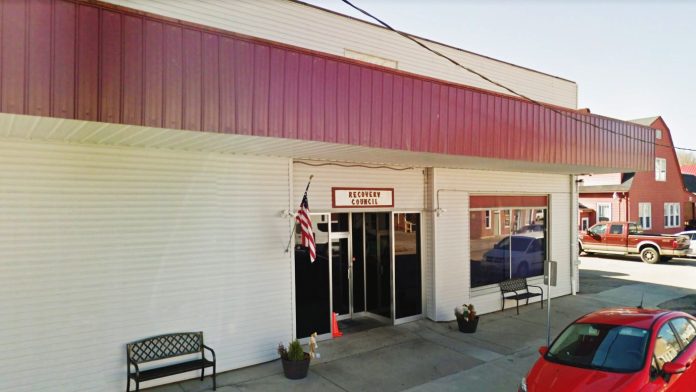
Pike County Recovery Council Outpatient in Waverly, Ohio, offers outpatient treatment for substance use disorders. They offer both general and intensive outpatient services as well as non-clinical services. The Recovery Council serves all clients regardless of their ability to pay. Discounts are offered based on family size and income.
Their staff are able to assess and diagnose substance use disorders as well as other mental health conditions. A team of specialists work together to make custom treatment plans for each client. The Recovery Council also offers prevention services, drug testing, outreach services, transportation services and substance abuse education.
This Waverly location also offers partial hospitalization. This is an excellent alternative to residential care for folks who want or need to continue to live at home. It’s sometimes also called day treatment. You'll spend most of each weekday in treatment then return home in the evenings. This is an intensive level of care as an alternative or step down from residential treatment.
Pike County Recovery Council is staffed with prevention specialists. These community leaders work with students in four school districts to provide classroom education. They also collaborate with community partners and host and attend community events to enhance substance use prevention in the area. I like that they also have a youth-led coalition that promotes kindness and a substance-free lifestyle. These youth leaders meet regularly to discuss how they can support and organize community service efforts.
Outpatient clients will also have the chance to get involved with the Recovery Council. This group focuses on serving the local community in Pike and surrounding counties in Southern Ohio. They offer labor and helping hands for local events, community beautification and trash collecting.
Amenities
In order to maintain a sense of autonomy, many private rehab facilities offer clients the ability to choose their own private rooms. The privacy and personal space ensure that the recovery process is as comfortable as possible.
Addiction treatment in the metro area benefits clients by offering seamless connections from the city, around the state, and those seeking out-of-state treatment. Another benefit of attending a metro area drug rehab is that you’re close to major airports and ground transportation services.
Business centers are a preferred amenity in many mental health and addiction recovery facilities and typically feature secure, high-speed internet, computer stations, printers, and related business technologies. Business centers are designed to enable professionals and students to continue to participate in work or school activities without leaving the treatment facility.
Addiction Treatment Programs
A young adult program in Ohio ensures participants receive the most appropriate treatment. Therapies and activities are customized to meet the needs of young people in their teens and twenties.
Tailored for men and women over the age of 18, each adult program in Ohio incorporates multiple therapeutic methods to treat addiction. Various levels of care are offered, based on the needs of the individual.
Alcohol rehab in Ohio provides a support community that can help you overcome addiction. Through a network of support and professional interventions, you can address issues contributing to alcohol abuse and start on the path to recovery.
All levels of care are available at men’s rehab in Ohio. Men who are struggling with addiction can choose detox, inpatient, or outpatient programs, all designed for men.
Often, women suffer from both substance use disorder and a co-occurring mental health disorder. Women’s rehab in Ohio can treat both, which is called dual diagnosis treatment.
Distorted, negative thought patterns can lead to negative behaviors such as substance abuse. Cognitive behavioral therapy in Ohio addresses these negative thoughts to help individuals make positive changes.
Drug rehab in Ohio provides comprehensive treatment to address the physical and psychological needs of those struggling with substance use disorders. This may involve inpatient and/or outpatient care.
Elderly rehab in Ohio can be helpful for seniors who are struggling with substance abuse. These specialized treatment programs often address issues such as nutritional needs, chronic health conditions, mental health concerns, physical mobility, and social support.
Levels of Care
During outpatient rehab in Ohio, you’ll develop sober-living skills and learn how to live a sober lifestyle. This happens through regular meetings with a recovery expert and involvement in a 12-step program. Your outpatient treatment can continue for as long as you need it, from weeks to years.
For those who need intensive treatment, inpatient rehab in Ohio includes round-the-clock clinical care.and supervision. At this level of care, programs generally involve multiple addiction counseling sessions per week, which may include individual, group, and family counseling.
Ongoing counseling and support are necessary to maintain sobriety after initial treatment. Aftercare rehab in Ohio provides this support. You’ll have access to resources that help you navigate challenges and prevent relapse. Most people in recovery tap into these resources for at least a few months, and many remain in aftercare for more than a year.
If you’re struggling with both mental illness and addiction at the same time, dual diagnosis treatment in Ohio is ideal. This treatment provides an integrated approach to treat both disorders effectively.
If you need extra support during early recovery, sober living in Ohio may be a good option for you. You can stay in a sober living home for as long as you need the accountability and stability. Once people have maintained sober living for several months, they typically move out and live on their own.
Professional intervention services in Ohio can make the difference in convincing your loved one to get the help they need. Intervention staff can facilitate an intervention and follow-up with valuable resources for the development of an effective treatment plan.
Accreditations
Contact Information


 Sponsored