Luminis Health Pathways
2620 Riva Rd
Annapolis, MD 21401
 Sponsored
About Luminis Health Pathways
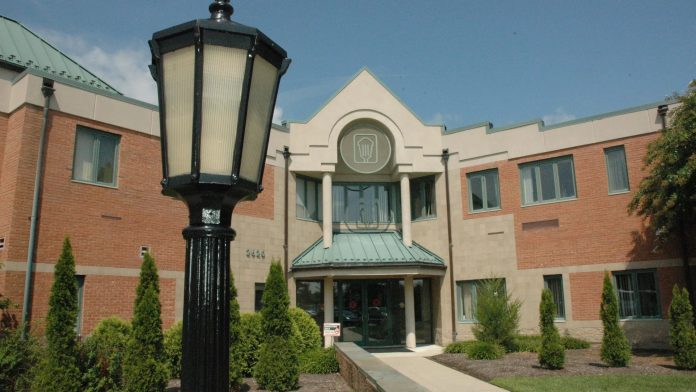
Luminis Health Pathways is a substance use treatment center in Annapolis, Maryland, offering a full continuum of addiction care. The team provides detoxification, inpatient and outpatient treatment and recovery support services at their 2620 Riva Road location.
As part of the larger Luminis Health system, I like that the program connects clients to both behavioral health and medical resources for coordinated care.
Residential Treatment, Detox and Outpatient Services
Luminis Health Pathways offers detoxification, inpatient (residential) treatment, outpatient services and recovery support to help people overcome addiction. The team includes physicians, nurses, counselors and recovery specialists who work together to create individualized treatment plans tailored to each person's needs.
Who Can Get Help at Luminis Health Pathways?
The program treats substance use disorders, including alcohol and opioid addiction. Luminis Health Pathways also provides support for individuals with co-occurring mental health conditions alongside their addiction.
It's good to know that the center is part of the Luminis Health network, which means clients can access additional medical and behavioral health services across the health system, as needed. To learn about treatment options and next steps, you can call the center. The team will help you understand which level of care best fits your situation and guide you through the admissions process.
Help Is Available
Luminis Health Pathways in Annapolis is designed to help people overcome addiction and get their lives back on track through compassionate, comprehensive care. If you or someone you love is struggling with addiction, consider reaching out today to explore your options.
Amenities
Private drug rehab provides a comfortable, secure environment that allows you to focus on doing the work to get your life back on track. Benefits include a higher staff-to-client ratio, increased one-on-one time with therapists and healthcare providers, private rooms for clients, and customized forms of therapy.
Hiking is a great way to relieve stress, get perspective, navigate challenges, connect with nature, and improve your health - all essential components of sustaining long-term recovery. Studies also show that the body releases endorphins during physical activities like hiking. These endorphins improve mood and act as a natural pain reliever.
In order to maintain a sense of autonomy, many private rehab facilities offer clients the ability to choose their own private rooms. The privacy and personal space ensure that the recovery process is as comfortable as possible.
Addiction treatment programs provide an opportunity to get your life back on track with access to school classes or college courses. Whether you want to finish your GED or go back to school to learn a new trade, facilities often enlist tutors and teachers who are certified or licensed by the state to oversee self-study or distance-learning education.
When paired with cognitive-behavioral therapy, exercise can be an effective tool for overcoming addiction. Drug rehabs with a gym offer clients healthy ways to increase energy levels, balance the body’s stress hormone levels, and aid in the brain’s healing process.
Addiction Treatment Programs
During crucial developmental years, addiction can cause cognitive impairment, increase risky behavior, and impair social development. A young adult program in Maryland can help individuals learn to make healthy choices and avoid these downfalls of addiction.
A typical adult program in Maryland offers a private setting for rehabilitation from alcohol or drugs. Treatment often includes group therapy, individual counseling, and family support and may occur in a residential facility or through outpatient care.
If you desire to discontinue alcohol use, alcohol rehab in Maryland can help. Through detox, counseling, and aftercare, these programs can help you break free from alcohol dependence.
Men’s rehab in Maryland helps men recover from substance use disorders and start rebuilding their lives. Therapies focus on men only and their unique needs.
Women’s rehab in Maryland provides an environment where women can step back from daily stresses and distractions to focus on their recovery. The caring, safe surroundings help create positive recovery outcomes.
Opioid rehab in Maryland takes place in a safe, supportive environment that minimizes access to opioids and reduces stressors that trigger relapse. Treatment often begins with medical detox, followed by inpatient rehab that may last 30 to 90 days. Aftercare is provided to help maintain long-term sobriety.
Cognitive behavioral therapists use multiple exercises during cognitive behavioral therapy in Maryland. A combination of imagery-based exposure, behavioral experiments, and thought records can provide effective treatment for addiction and co-occurring disorders.
Once a person becomes addicted to a substance, drug rehab in Maryland is often necessary to overcome that addiction. These programs provide the tools individuals need to manage the physical, mental, and emotional issues involved and begin a successful recovery journey.
Rational emotive behavioral therapy in Maryland states that behaviors, feelings, and thoughts are interconnected. The premise of this therapy is to identify irrational thoughts, so you can experience more positive feelings that lead to healthier behaviors.
Moral Reconation Therapy (MRT) is a form of psychotherapy commonly used in addiction recovery. Based on cognitive behavioral therapy (CBT), moral reconation therapy (MRT) helps clients recognize unhealthy and/or harmful thought patterns and to replace them with more positive and productive ones. MRT is designed to empower clients to make healthier life choices and to more effectively align their behaviors with their moral values.
Levels of Care
Outpatient rehab in Maryland is best suited for those who are coping well in recovery but need ongoing treatment. This level of rehab offers accountability and support through regular therapy sessions and support group meetings. It may last for weeks or months, based on your ongoing recovery needs.
If you have both a mental health and substance use disorder, these cannot be treated independently. They interact, so the treatment must be integrated. Dual diagnosis treatment in Maryland is designed to treat both co-occurring disorders.
Addiction challenges don’t end after rehab. To maintain good health and sobriety, you’ll need to continue to manage your addiction. Aftercare rehab in Maryland helps you by providing continued access to specialists, counselors, and life coaches for as long as you need them.
The most intensive level of care is known as inpatient rehab. It involves living at the facility until you finish your program, receiving extensive individual and group addiction counseling, recovery-focused life skills training, and complementary therapies.
Maryland drug rehabs often start with detox. During this initial step, your body will be cleansed of all addictive substances. You’ll remain under constant supervision and may receive medication to alleviate withdrawal symptoms.
Intervention services are often necessary before treatment at a drug rehab in Maryland can begin. These professional services help you encourage your loved one to get the treatment they need. Support includes intervention facilitation, education about treatment plan options, and guidance in selecting the best program for your loved one.
Accreditations
Accepted Insurance



Contact Information


 Sponsored