
Northwest Passage Prairieview
 Sponsored
About Northwest Passage Prairieview
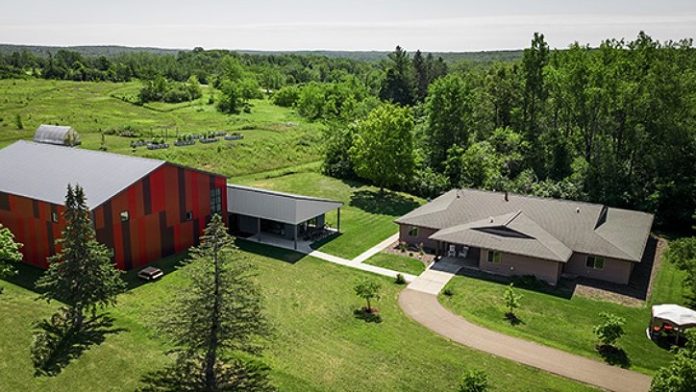
On 25 acres of prairie in Frederic, Wisconsin, Northwest Passage runs Prairieview, a residential treatment program for youth. Since 1978 they’ve blended mental health care with arts and nature work.
Treatment can mean equine therapy out in the pasture or a hike across the northern Wisconsin prairie. And there’s a nature photography program called In a New Light.
How Families Pay
Northwest Passage is contracted with only a few local health insurance plans, and those are the only ones they can accept as coverage. You can’t assume yours is one of them, so most families have to be ready to pay for placement out of pocket. They can often set up contracts with parents, placing agencies, and school districts.
How Youth Get In
Northwest Passage serves youth ages 6 to 17 of all genders, including LGBTQ+ youth and youth of color. Prairieview is designed for adolescent girls and gender-diverse youth, ages 12 to 17.
Referrals come from parents, social service staff, community providers such as therapists and psychiatrists, plus other inpatient and outpatient programs, and independent educational consultants. The Frederic center typically has no immediate openings, and it isn’t a mental health crisis service. They can also provide extensive transportation services for residents.
When substance use is part of the picture, Northwest Passage runs a chemical health assessment focused on substance use history, diagnoses, and treatment planning.
Amenities
Private drug rehab provides a comfortable, secure environment that allows you to focus on doing the work to get your life back on track. Benefits include a higher staff-to-client ratio, increased one-on-one time with therapists and healthcare providers, private rooms for clients, and customized forms of therapy.
Residential drug rehab provides the comforts of home with the therapeutic support needed to successfully recover. Benefits of an inpatient program include increased safety, a higher success rate, and the time and distance given to focus on recovery. Residential drug rehabs are often the preferred method of treatment, as they can be tailored to meet specific needs, offer focused therapeutic care, and provide the necessary tools to sustain recovery.
In order to maintain a sense of autonomy, many private rehab facilities offer clients the ability to choose their own private rooms. The privacy and personal space ensure that the recovery process is as comfortable as possible.
Addiction Treatment Programs
Prairieview serves ages 12 to 17, and the residential program is designed for adolescent females and gender-diverse adolescents. Across the programs, ages 6 to 17 are served, including youth of all genders.
During men’s rehab in Wisconsin, men can be more vulnerable. Gender-specific treatment helps them feel free to speak openly about their experiences and emotions. Participants also meet other men who understand what they’re going through.
Women face different pressures and challenges than men. Women’s rehab in Wisconsin acknowledges these differences and provides addiction treatment specifically for women.
Cognitive behavioral therapy in Wisconsin can be an effective treatment method for substance use disorders. Treatment techniques, which can be used in individual and group settings, include relapse prevention, motivational interventions, and coping strategies.
Through rational emotive behavioral therapy in Wisconsin, individuals become aware of how their beliefs affect their emotions and responses to events. Participants replace negative beliefs with positive ones so they can manage reactions and develop healthier patterns.
Assertive Community Treatment (ACT) is an integrative, community-based care strategy designed to address the needs of persons with severe and/or complex mental illness or behavioral disorders. ACT is typically provided by a multidisciplinary team of medical and mental health care providers, social workers, therapists, and other specialists, including addiction recovery professionals. These services are frequently provided in the home and community to clients in crisis, those who are clinically unstable, and those who are unable or unwilling to travel to a hospital or clinic for in-person treatment.
The goal of drug rehab in Wisconsin is to come at addiction from every angle. This complex issue involves physical, mental, and relational aspects that must be addressed. During rehab, treatment focuses on each of these areas and gives you the tools you need to manage them without substance use.
Animal & equine therapy are evidence-based complementary therapies drawing on the emotional, psychological, and physiological benefits of regular contact with animals. Addiction recovery programs may incorporate the care of therapy dogs, cats, horses, and other animals into their treatment model to support clients’ development of recovery-focused life skills, including personal responsibility, time management, and empathy. Contact with therapy animals may reduce stress, enhance mood, decrease depression and anxiety, and increase clients’ self-esteem and sense of wellbeing.
Levels of Care
Prairieview is the residential program, and the average stay runs about five to six weeks. It's set up for adolescent girls and gender-diverse teens.
Experts in mental health and addiction integrate their services to provide dual diagnosis treatment in Wisconsin. This treatment is designed for anyone who has both a substance abuse disorder and a mental health disorder, such as depression or anxiety.
Aftercare is woven into case management here rather than run as a separate program. The case management work covers what comes after treatment.
Accreditations
Contact Information


 Sponsored
Johanna is an artist and a freelance writer with a Bachelor’s degree in criminal justice. Since graduating from UMASS Lowell, she has worked as a case manager in transitional housing and a care coordinator at a treatment facility to assist adults with substance use and co-occurring conditions. She enjoys crocheting, painting, or creating handmade jewelry during her free time.
Peter W.Y. Lee is a historian specializing in American Cold War history. He has published widely on youth culture and the social impact of popular culture throughout the twentieth century and how the public has approached culture as a means of coping with the challenges that accompany changing times.
Rehabs.org regularly reviews this listing for accuracy but changes may occur between updates. For the most up-to-date information, please contact Northwest Passage Prairieview.
Nearby Treatment Centers

100 Polk County Plaza
Suite 180
Balsam Lake, WI 54810
331 S Main St
Suite H
Rice Lake, WI 54868
1096 Apple Ave
Amery, WI 54001
230 Deronda Street, Amery, WI 54001
FAQs
What kinds of treatment can a teen get at Prairieview?
Residential treatment with an average stay of five to six weeks, a chemical health assessment when it’s needed, and aftercare built into case management here.
Who does Prairieview accept into its residential program?
Adolescent females and gender-diverse adolescents ages 12 to 17, and the programs overall serve youth 6 to 17 of all genders. LGBTQ+ youth and youth of color are included.
How long does the residential program usually last?
Stays run about five to six weeks on average. That’s the expected length for residential treatment here, so a placement covers roughly that stretch of weeks.
How do teens get to Prairieview, and what is the campus like?
The campus sits on 25 acres of rolling prairie in Frederic, with a cafeteria, wellness center, classrooms and outdoor grounds. Transportation is provided for residents, and referrals come from social services, providers, other programs, educational consultants and parents. Immediate openings are usually not available, and the program is not a crisis service.
