Northeastern Center – Outpatient
1800 Wesley Road
Auburn, IN 46706
 Sponsored
About Northeastern Center – Outpatient
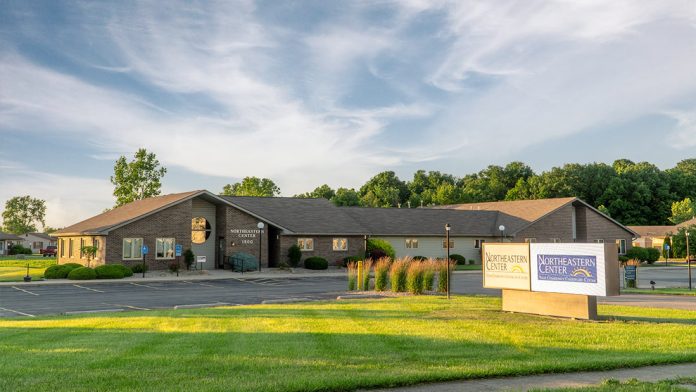
Northeastern Center DeKalb County Outpatient Auburn has provided community focused behavioral health care for adults, adolescents and children in the Northeastern part of Indiana for 45 years. They offer accessible substance use treatment and mental health support. Their broader services reflect a dedication to holistic care among community residents. They promote optimal wellness of the body, mind and soul for residents who come to them for help.
Northeastern Center will not deny you care due to your inability to pay. They accept Medicaid and Medicare. If you’re uninsured or underinsured, they may offer fee assistance based on your income and family size.
The DeKalb County outpatient clinic in Auburn is one of five locations offering flexible recovery services for people facing substance use issues. You can visit them for assessment if you suspect you or your loved ones are struggling with substance use issues. The assessment is free and comes with no obligation to join the program.
Recovery in Charming Auburn
Auburn is a small city in northeastern Indiana known for its automotive heritage. The I-69 corridor links directly to nearby cities like Fort Wayne and Angola. The facility also serves folks from Garett which is just eight miles southwest. The Dekalb County Coach provides local shuttle services.
Flexible Intensive Addiction Recovery
The DeKalb County outpatient clinic offers intensive outpatient programs (IOP) for those seeking intense and structured support to navigate moderate substance use. This program offers almost the same standard of care as inpatient treatment but with the benefit of allowing you to keep your job and stay at home. IV Drug users and pregnant women or mothers with minor children are given priority treatment for this program. You’ll be provided care ASAP if you fall into this group.
You’ll receive therapy in both group and individual formats. One great thing I like about this program is its flexible scheduling, including evening and morning sessions. It also involves just three hours of sessions daily for three days a week.
Two-Phased Recovery Model
One unique attribute I noticed about their program is that it involves two phases. The first phase focuses on equipping you with tools to help you stabilize and address your substance use issues. Your personalized care planning is part of this phase. It may also include ongoing assessment and drug screening to monitor progress, identify challenges and prevent relapse.
Participation in self-help groups is included to help you create a sense of community and support. Additionally, this phase will naturally involve medication evaluation and monitoring, especially if you require medication assisted treatment (MAT).
The second phase is all about building strong skills and support systems to prevent relapse. You’ll learn appropriate coping skills to manage anger, stress and other challenges that may trigger substance misuse. This phase includes case management as well to ensure you have a strong support network and resources in place to manage treatment and prevent relapse. The resources may include safe housing, jobs and access to medical care. Transportation support is provided as well.
Amenities
Private drug rehab provides a comfortable, secure environment that allows you to focus on doing the work to get your life back on track. Benefits include a higher staff-to-client ratio, increased one-on-one time with therapists and healthcare providers, private rooms for clients, and customized forms of therapy.
In order to maintain a sense of autonomy, many private rehab facilities offer clients the ability to choose their own private rooms. The privacy and personal space ensure that the recovery process is as comfortable as possible.
Addiction Treatment Programs
Each young adult program in Indiana covers a wide range of addictions. Programs offer evidence-based therapies to treat alcohol, heroin, opioid, cocaine, benzodiazepine, and marijuana addictions, among others.
An adult program in Indiana offers recovery services to those who have become addicted to drugs or alcohol. Treatment may include inpatient or outpatient services, medication, and a variety of therapy methods.
Men’s rehab in Indiana allows for greater participant engagement by offering same-gender treatment sessions. Often, men feel more comfortable in these settings, so they are more willing to share and receive support.
Women’s rehab in Indiana can be very beneficial for participants. These programs offers services that are designed specifically for women, which can help participants overcome the unique challenges they face.
Cognitive behavioral therapy in Indiana helps those struggling with addiction deal with triggers (something that compels a person to seek their substance of choice). This method teaches individuals healthy ways to handle situations without turning to substance use.
Elderly rehab in Indiana uses many of the same treatment methods as general population programs, but with a focus on challenges of aging. Methods often include 12-step programs, behavioral therapy, and motivational interviewing.
Rational emotive behavioral therapy in Indiana can improve quality of life by helping individuals who are struggling with addiction replace negative thoughts and behaviors with healthy ones. This treatment method is often included as part of a recovery treatment plan.
Assertive Community Treatment (ACT) is an integrative, community-based care strategy designed to address the needs of persons with severe and/or complex mental illness or behavioral disorders. ACT is typically provided by a multidisciplinary team of medical and mental health care providers, social workers, therapists, and other specialists, including addiction recovery professionals. These services are frequently provided in the home and community to clients in crisis, those who are clinically unstable, and those who are unable or unwilling to travel to a hospital or clinic for in-person treatment.
Levels of Care
Indiana outpatient rehab focuses on providing tools necessary to stay sober. This involves several weekly counseling sessions and involvement in at least one support group, such as NA or AA, for several weeks or months. During that time, you’ll learn how to replace unhealthy habits with healthy ones and prevent relapse.
Dual diagnosis in Indiana treats co-occurring disorders, meaning it addresses both your mental health and recovery needs. A multidisciplinary team of psychiatrists and addiction experts work together to ensure all aspects of your mental and physical health are treated.
Accreditations
Contact Information


 Sponsored