Sponsored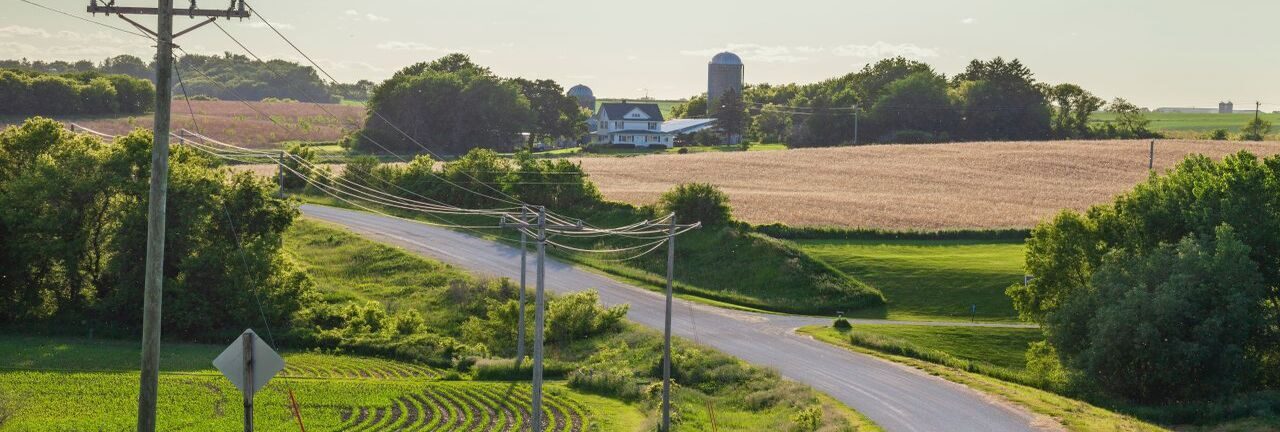


People in rural America who need addiction treatment face a basic math problem. They have fewer facilities and longer drives.
They also face less insurance coverage than people in many other parts of the country. A $50 billion federal program now sends its first payments to every state. The funding could change that equation because its rules specifically include services that free rehabs and rural clinics provide.
The question remains whether the money will reach the small providers that rural residents actually depend on. Large programs may have more resources and greater visibility. Smaller providers often remain essential in communities where treatment options are scarce.
How the Funding Works
States will receive half of the money through an equal distribution. CMS will allocate the other half according to factors that include how rural each state is and which policies it has established to improve rural healthcare access.
CMS says states can use the funds to expand preventive primary maternal and behavioral health services. States can also create new access points closer to home.
The program can support workforce training and recruitment while also helping providers modernize facilities and expand telehealth.
States can further use the funding to build hub and spoke models and regional networks. Behavioral health services appear specifically on the list. That provision matters for rural residents who currently drive for hours to reach the nearest treatment program.
Who Qualifies for Free or Low Cost Treatment?
Rural residents are disproportionately likely to lack insurance or rely on Medicaid. That makes Medicaid rehab coverage one of the most important payment routes for rural treatment.
The program allows states to use funds for new services and care for uninsured patients. However it cannot increase payment rates for existing services.
Analysts quoted by MedPage Today identified two potential risks. Funding could drift toward large urban academic hospitals that can claim to serve rural patients. Up to 10 percent of the money could also support startups that test unproven technology.
The broader healthcare landscape remains difficult. More than 100 rural hospitals have stopped delivering babies during the past five years.
More than 40 have closed inpatient units. Over two dozen have closed entirely according to Harold Miller of the Center for Healthcare Quality and Payment Reform.
A KFF analysis estimates that rural areas will experience $137 billion less in Medicaid spending over ten years because of other provisions in the same law.
How to Access These Resources
New programs take time to reach local communities. People who need treatment cannot always wait for new funding to translate into new services.
Existing free options can still provide a path forward. These include the SAMHSA National Helpline state funded treatment slots Medicaid covered programs and nonprofit and faith based providers.
Finding Affordable Treatment
If you live in a rural area and have delayed treatment because of distance or cost you can search for free rehabs near you through Rehabs.org. Filter the results for programs that accept Medicaid offer sliding scale fees or provide telehealth intake.
Rehabs.org lists free and low cost treatment options across the country. Compare programs and review their payment options before choosing a provider. Call
800-914-7089
( Sponsored)
to find affordable care.
Sponsored)
to find affordable care.
More Articles Like This