
Newport Academy
12029 113th Avenue Northeast
Kirkland, WA 98034
 Sponsored
About Newport Academy
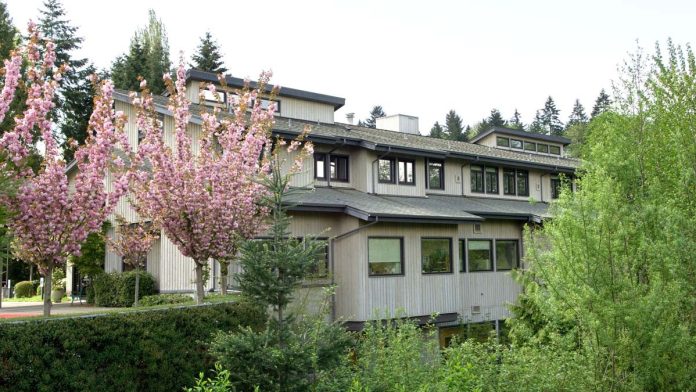
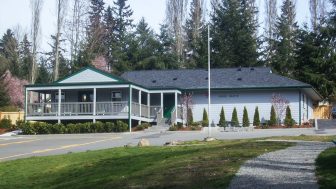
Newport Academy Kirkland is located in Kirkland, Washington. They offer behavioral health services for teens and their families to address and treat co-occurring mental health and substance use disorders. They are located in a standalone facility nestled among the Heronfield Wetlands.
They are close to I-405 for easy access to transportation and close to several area businesses, shopping centers and restaurants. You can also access natural landmarks nearby including McAuliffe Park, Juanita Bay Park and Waverly Beach Park on Lake Washington.
Residential Treatment Program for Teens
I find it good to know that they offer a residential treatment program for teens to assist them with healing from the inside out. They work with both teens and their families utilizing therapy, counseling and support to help them recover in a safe and comfortable environment.
Attachment-Based Family Therapy
They also work with teens to ensure they are still progressing academically while in treatment. They utilize the Attachment-Based Family Therapy model to help mend relationships between parent and child to ensure lasting recovery.
They also provide medication management services to ensure that teens are mentally balanced as they recover from addiction. They focus on family dynamics to provide a healing experience for both teens and their families and ensure they are receiving support not just from their staff, but also from their families.
Experiential Activities Focus on Learning Stewardship Through Nature
I love that at Newport Academy, they incorporate experiential activities to encourage self-reliance and independence for teens. They work on building self-worth, learning new skills and team-building activities.
Some of the activities include climbing as well as primitive skills building including fire-making, tracking and building shelters. They also learn about natural habitats through educational programs at wild animal rescue centers, with topics that include sea life on the Pacific Ocean, trail maintenance and gardening.
Amenities
Art and music are mediums that connect with our feelings, making them a great recovery tool during addiction treatment. Studies show that combining art/music and drug rehab can have a greater therapeutic impact than drug rehab alone, as you’re able to access parts of your brain and body that you may not have access to during traditional talk therapy. Benefits of art/music therapy include lowering stress and anxiety, promoting healthy neurochemicals, and providing stress relief.
Wilderness rehab programs offer all the benefits of a traditional drug rehab, but with the added benefits of outdoor adventure. Venture out into the forest to learn new skills, explore the beauty of nature, and relieve stress. Engaging in wilderness activities is a great way to gain self-discovery and release negative emotions.
Treatment centers with a yoga studio offer a special form of holistic therapy during the recovery process. Yoga boosts mindfulness, a sense of calm, and healthy reflection during drug rehab via breathing exercises, stretching, and a progression of specific postures.
The massage room offers a wealth of benefits as part of an overall evidence-based drug and alcohol recovery program. Massage therapy boosts blood flow and flushes lactic acid from the muscles, and the vascular benefits last several days after the massage.
Yoga and meditation are great activities to support your recovery process during alcohol or drug rehab. These therapies have been around for centuries, and they are an effective way to improve well-being. Combining addiction treatment, yoga, and meditation can reduce cravings, improve sleep, relieve anxiety and depression, provide stress relief, promote relaxation, support emotional healing, and improve energy levels.
Recreational therapy uniquely combines therapeutic interventions with an activity, like horse-riding, hiking, wilderness therapy, basketball, tennis, or a full workout. Benefits of recreational therapy include providing a healthy way to work through the emotions of recovery, learning to build and maintain relationships, improving communication skills, and building self-esteem.
Hiking is a great way to relieve stress, get perspective, navigate challenges, connect with nature, and improve your health - all essential components of sustaining long-term recovery. Studies also show that the body releases endorphins during physical activities like hiking. These endorphins improve mood and act as a natural pain reliever.
Private drug rehab provides a comfortable, secure environment that allows you to focus on doing the work to get your life back on track. Benefits include a higher staff-to-client ratio, increased one-on-one time with therapists and healthcare providers, private rooms for clients, and customized forms of therapy.
In order to maintain a sense of autonomy, many private rehab facilities offer clients the ability to choose their own private rooms. The privacy and personal space ensure that the recovery process is as comfortable as possible.
Addiction Treatment Programs
Opioid rehab in Washington begins with breaking your physical dependence on opioids, through safe, supervised detox. After this phase, you will work on overcoming damage caused by opioid use disorder, through a variety of therapy methods. You’ll then receive aftercare to prevent relapse.
Effective drug rehab in Washington integrates care for the whole person, offering comprehensive solutions to addiction. Treatment methods address mental, physical, and relational aspects of substance abuse.
During alcohol rehab in Washington, you’ll participate in a variety of individual and group therapy sessions. These treatments are designed to help you address issues related to substance use and develop new coping skills. The goal is to empower you to achieve long-term recovery.
Options for a young adult program in Washington include residential programs, sober living homes, recovery support groups, specialized counseling, family therapy, alternative therapy, and social skills development. These rehab treatments often include therapy to address co-occurring disorders.
For those aged 18 and older, an adult program in Washington can help in overcoming addiction. You can get effective treatment for substance use disorders and related mental health issues at the level of care that works best for you.
Men’s rehab in Washington focuses on specific challenges faced by men, including relationship dynamics. Gender-specific treatment helps men repair damage to their relationships and get the support they need.
Women’s rehab in Washington effectively treats drug and alcohol addiction by addressing the unique needs of substance-dependent women, which provides an opportunity to break the addiction cycle and embrace long-term recovery.
LGBTQ individuals can find LGBTQ-friendly rehab in Washington. These programs offer services that are similar to general-population programs but are geared toward common LGBTQ experiences.
EMDR Therapy is a neurobiological treatment modality used to address trauma disorders and related mental and behavioral health challenges. Short for eye movement desensitization and reprocessing, EMDR is designed to help clients cope with distressing memories and emotions, including fear, sadness, and anger. EMDR may help clients in addiction recovery manage the psychological and emotional triggers that contribute to substance misuse and/or addiction relapse.
Cognitive behavioral therapy in Washington teaches healthy coping strategies. Treatment includes setting goals, learning communication skills, and cognitive-behavioral strategies to manage triggers.
Animal & equine therapy are evidence-based complementary therapies drawing on the emotional, psychological, and physiological benefits of regular contact with animals. Addiction recovery programs may incorporate the care of therapy dogs, cats, horses, and other animals into their treatment model to support clients’ development of recovery-focused life skills, including personal responsibility, time management, and empathy. Contact with therapy animals may reduce stress, enhance mood, decrease depression and anxiety, and increase clients’ self-esteem and sense of wellbeing.
Hypnotherapy is an evidence-based complementary approach to addiction treatment in which clients enter an induced state of deep relaxation. Once the client has entered this hypnotic state, the hypnotherapist uses various techniques, including guided imagery and positive affirmations, to help clients “unlearn” negative behaviors, such as substance misuse, and adopt healthy ones. The approach supports clients’ long-term mental, physical, and emotional wellbeing and reduces their risk of relapse by tapping into the power of the subconscious mind.
Sound & Music Therapy are complementary treatment modalities frequently used in addiction recovery to support clients’ physical, mental, and emotional wellbeing through the use of auditory stimuli, from nature sounds and Tibetan singing bowls to drum circles and rhythmic melodies. The treatment is believed to reduce symptoms of anxiety and depression and may offer relief for those experiencing chronic pain, which can decrease clients’ risk of addiction relapse.
Levels of Care
Inpatient alcohol and drug rehab in Washington offers the most intensive level of care for those who need 24/7 clincial supervision. You will live at the facility for four to 12 weeks, and receive treatment such as individual and group therapy, medication, and recreational therapies.
Outpatient rehab in Washington is often a good option if you’re in long-term recovery and need ongoing coaching to avoid relapse. This treatment provides accountability and support while you maintain other life responsibilities.
Partial hospitalization programs (PHPs) in Washington provide a balance of structured treatment and personal responsibility for your recovery process. You will attend on-site treatment sessions five to seven days a week for several hours each day, then return home afterwards.
When substance abuse and mental illness are both present, you need specialized treatment to achieve recovery. Both the substance abuse and mental health disorder must be treated by dual diagnosis treatment in Washington.
You don’t have to face life alone after you complete rehab. Aftercare rehab in Washington provides ongoing support as you begin your new life in recovery. You’ll receive practical, emotional, and mental support to overcome hurdles and maintain sobriety.
Intervention services in Washington are often key to starting the recovery journey. These services include pre-intervention counseling for family members, planning and facilitation of of the intervention, educational resources for treatment planning, and assistance with admission to drug rehab in Washington.
Accreditations
Accepted Insurance
Contact Information


 Sponsored
Nearby Treatment Centers
11800 Northeast 128th Street
Suite 200
Kirkland, WA 98034
10200 Northeast 132nd Street
Kirkland, WA 98034
10322 Northeast 132nd Street
Kirkland, WA 98034
11829 97th Avenue Northeast
Kirkland, WA 98034
