
Mohave Mental Health Clinic
1741 Sycamore Avenue
Kingman, AZ 86409
 Sponsored
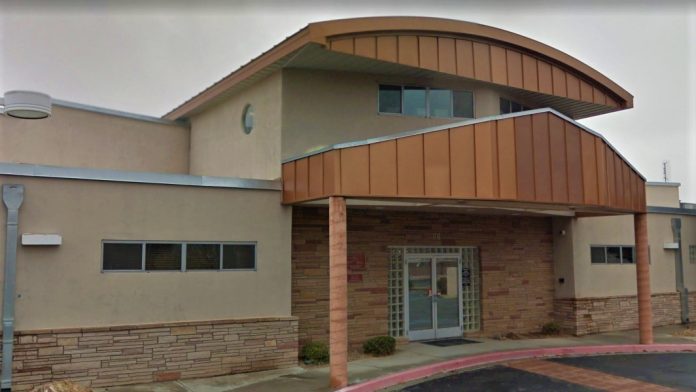
About Mohave Mental Health Clinic
Mohave Mental Health Clinic – Kingman Children's Clinic is an outpatient behavioral health center serving children, adolescents and families in Kingman, Arizona.
The clinic offers integrated services including psychiatric evaluation and medication management, counseling and crisis intervention, case management and substance use disorder treatment.
With 24/7 crisis support and a dedicated focus on youth mental health, I think it's noteworthy how the clinic provides family centered care for young people facing mental illness and substance use challenges, serious emotional disturbances and developmental disabilities.
Child and Adolescent Services
The Kingman Children's Clinic specializes in youth focused behavioral health care combining psychiatric services with therapeutic support tailored to the developmental needs of children and teens. Services include comprehensive psychiatric evaluations, ongoing medication management and counseling designed to address underlying emotional and behavioral challenges.
Treatment integrates medical and therapeutic approaches, so young clients receive coordinated care that targets both symptoms and root causes. Sessions may include individual counseling, family therapy and case management to connect youth and families with school, community and peer supports that reinforce progress beyond the clinic.
Substance Use Disorder Support
The clinic offers substance use disorder services within its broader behavioral health model recognizing that many young people face co-occurring mental health and addiction challenges. I appreciate that this integrated approach allows clinicians to address substance use alongside conditions like anxiety, depression and trauma in a coordinated treatment plan.
Payment and insurance options are available to support access to care.
Amenities
In order to maintain a sense of autonomy, many private rehab facilities offer clients the ability to choose their own private rooms. The privacy and personal space ensure that the recovery process is as comfortable as possible.
Addiction treatment in the metro area benefits clients by offering seamless connections from the city, around the state, and those seeking out-of-state treatment. Another benefit of attending a metro area drug rehab is that you’re close to major airports and ground transportation services.
Business centers are a preferred amenity in many mental health and addiction recovery facilities and typically feature secure, high-speed internet, computer stations, printers, and related business technologies. Business centers are designed to enable professionals and students to continue to participate in work or school activities without leaving the treatment facility.
Addiction Treatment Programs
When individuals choose a young adult program in Arizona, they receive multidisciplinary care that addresses all aspects of their lives. Treatment focuses on physical, social, educational, and emotional needs, encompassing both addiction and dual diagnosis treatment.
A rehab adult program in Arizona provides treatment for addiction. Adults (age 18+) participate in various therapies that are designed to break the cycle of substance abuse and teach new coping skills so the individual can maintain a healthy, sober lifestyle.
If you’re struggling with alcohol use disorder, alcohol rehab in Arizona can help. Many treatment options are available to help individuals recover and take steps to create a healthy and fulfilling life. Programs include long-term, short-term, inpatient, and outpatient alcohol rehab.
Men and women often respond differently to addiction and addiction treatment. Men’s rehab in Arizona addresses these differences to provide the most effective recovery treatment for men.
Women’s experiences with addiction can differ greatly from men’s. Women’s rehab in Arizona addresses these differences and provides gender-specific treatment targeted to meet women’s needs.
Cognitive behavioral therapy in Arizona teaches individuals in addiction treatment to connect their feelings, thoughts, and actions to discover how these impact their recovery. This treatment method is frequently used for the treatment of substance use disorders and co-occurring disorders.
Specialized treatment for older adults is available through elderly rehab in Arizona. These programs offer a full continuum of care that addresses the specific needs of senior adults.
Drug rehab in Arizona is the process of treating individuals who are dependent on a particular addictive drug. Because addiction is complex, this treatment typically includes a variety of interventions that address the many issues involved.
Levels of Care
If you are struggling with both addiction and mental illness, you need Arizona dual diagnosis treatment. Because one condition can aggravate the other, this integrated method treats both at the same time, for better recovery results.
Residential or inpatient treatment is the most intensive level of care offered at drug rehabs in Arizona. It involves living at the rehab facility, and they have 24/7 access to medical professionals. A combination of treatment interventions is offered, including therapy and medication management
Intervention services in Arizona are designed to encourage a loved one to get the treatment they need. Services include professional assistance with staging an intervention, development of a treatment program, and guidance with selection of and admittance to drug rehab in Arizona.
Outpatient rehab in Arizona often serves as a transition from inpatient treatment to aftercare programs. It is suitable for those who are coping well in recovery but still need a high level of accountability from counselors and peers.
Accreditations
Contact Information


 Sponsored
Nearby Treatment Centers
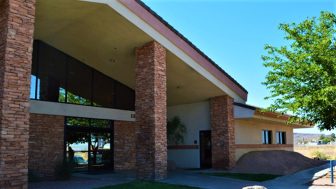
915 Airway Avenue
Kingman, AZ 86409

220 North 1st Street
Kingman, AZ 86401
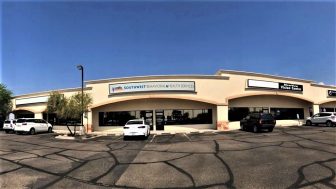
2215 Hualapai Mountain Road
Suites H
Kingman, AZ 86401
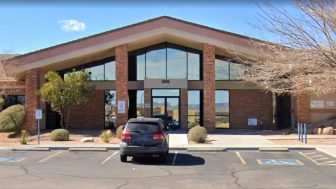
3505 Western Ave A
Kingman, AZ 86409
