
Mohave Mental Health Clinic, Inc.
 Sponsored

About Mohave Mental Health Clinic, Inc.
Outpatient care for alcohol and drug addiction is available at Mohave Mental Health Clinic, an addiction treatment center in Kingman, Arizona.
I'm impressed by their comprehensive services. They see children and adults for behavioral health care, and LGBTQ+ folks can get care at the clinic too. There's no residential program at this clinic, so you don't move in for care.
I like that they also offer Suboxone, a medication for opiate replacement therapy, through their Suboxone clinic.
What if you can't pay?
Mohave Mental Health Clinic serves you regardless of ability to pay. Discounts on essential services follow family size and income, so what a household pays can differ.
Plus, they accept public coverage such as Medicaid, Medicare, state-funded plans and TRICARE, a federal health program. Self-pay is an option, and they accept federal grants for substance use and mental health care.
When is crisis care open?
Crisis care at Mohave Mental Health Clinic runs twenty-four hours a day, by phone or in person at a clinic during business hours.
This Kingman clinic belongs to a private not-for-profit that was founded in May 1968 and serves Mohave County. Its programs are licensed by the Arizona Department of Health Services and accredited by the Joint Commission.
Amenities
In order to maintain a sense of autonomy, many private rehab facilities offer clients the ability to choose their own private rooms. The privacy and personal space ensure that the recovery process is as comfortable as possible.
Addiction treatment in the metro area benefits clients by offering seamless connections from the city, around the state, and those seeking out-of-state treatment. Another benefit of attending a metro area drug rehab is that you’re close to major airports and ground transportation services.
Business centers are a preferred amenity in many mental health and addiction recovery facilities and typically feature secure, high-speed internet, computer stations, printers, and related business technologies. Business centers are designed to enable professionals and students to continue to participate in work or school activities without leaving the treatment facility.
Addiction Treatment Programs
Adults get behavioral health services at the outpatient clinics, and children are seen there too.
If you’re struggling with alcohol use disorder, alcohol rehab in Arizona can help. Many treatment options are available to help individuals recover and take steps to create a healthy and fulfilling life. Programs include long-term, short-term, inpatient, and outpatient alcohol rehab.
Cognitive behavioral therapy in Arizona teaches individuals in addiction treatment to connect their feelings, thoughts, and actions to discover how these impact their recovery. This treatment method is frequently used for the treatment of substance use disorders and co-occurring disorders.
Women’s experiences with addiction can differ greatly from men’s. Women’s rehab in Arizona addresses these differences and provides gender-specific treatment targeted to meet women’s needs.
Individuals who attend opioid rehab in Arizona are provided a safe and comfortable environment where they can focus on sobriety. The goal of treatment is to address issues that drive dependence and help individuals learn how to live independently from opioid use.
Specialized treatment for older adults is available through elderly rehab in Arizona. These programs offer a full continuum of care that addresses the specific needs of senior adults.
When individuals choose a young adult program in Arizona, they receive multidisciplinary care that addresses all aspects of their lives. Treatment focuses on physical, social, educational, and emotional needs, encompassing both addiction and dual diagnosis treatment.
Levels of Care
Medication treatment for opioid use runs through a suboxone clinic here, which provides opiate replacement therapy to clients who need it.
Outpatient care here covers a lot of ground in behavioral health, and each of the clinics takes both children and adults.
Integrated treatment serves people with co-occurring disorders, so both conditions get addressed in the same program at once.
Accepted Insurance



Contact Information


 Sponsored
Amy Greene’s first novel Bloodroot was a New York Times and National Bestseller and a New York Times Editor’s Choice pick. Her second novel Long Man was a Washington Post Top Book of the Year. She lives in the Smoky Mountains of East Tennessee with her husband and two children.
Rehabs.org regularly reviews this listing for accuracy but changes may occur between updates. For the most up-to-date information, please contact Mohave Mental Health Clinic, Inc..
Nearby Treatment Centers

220 North 1st Street
Kingman, AZ 86401
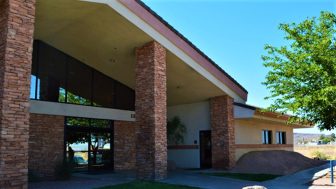
915 Airway Avenue
Kingman, AZ 86409
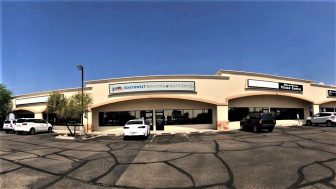
2215 Hualapai Mountain Road
Suites H
Kingman, AZ 86401

1741 Sycamore Avenue
Kingman, AZ 86409
FAQs
Does Mohave Mental Health Clinic take private insurance?
Private insurance, and coverage through AHCCCS for people who qualify for Title XIX/XXI services. Self-pay and donations work too, and some services are discounted by family size and income. The practice serves clients regardless of ability to pay.
What kinds of care are offered in Kingman?
Outpatient behavioral health care is the main offering, for children and adults both. Integrated co-occurring disorders care treats mental health and substance use together, and a suboxone clinic provides opiate replacement therapy.
Can you get crisis help outside business hours?
Yes. Crisis services run 24 hours a day and can be reached by phone. Someone can also walk into an outpatient clinic while it’s open. The main clinic is in Kingman.
Is the clinic accredited by a national body?
Yes. The programs are licensed through the Arizona Department of Health Services and accredited by the Joint Commission, so both the state agency and an outside accreditor review the clinic.
Which cities have Mohave Mental Health Clinic locations?
Outpatient clinics run in Kingman, Bullhead City, and Lake Havasu City. Kingman also has two group homes and a Level I subacute center, so that city carries more than outpatient work.
