
Mirror Topeka Outpatient Treatment Program
1401 Southwest Topeka Boulevard
Topeka, KS 66612
 Sponsored
About Mirror Topeka Outpatient Treatment Program
Mirror Inc.’s Outpatient and Residential Facility in Topeka, Kansas provides outpatient treatment for adults dealing with substance misuse and co-occurring disorders. This program is for anyone who’s finished their residential treatment, got care elsewhere, or just wants flexible recovery options. They offer 24/7 supervision with intensive outpatient (IOP) and general outpatient (OP) tracks.
It’s great that they accept Medicaid and various insurance plans as this makes paying for therapy easy.
These programs involve group and individual therapeutic interventions that draw from proven methods like cognitive behavioral therapy. They focus on helping you tackle negative thoughts and feelings that give rise to behavioral challenges like substance misuse. Addressing the root of your negative behavioral pattern that way enables you to build strong coping skills that foster relapse prevention and sober living.
Group therapy promotes community support through interaction and sharing of experiences, successes and recovery challenges with peers in recovery. You may gain valuable interpersonal skills including stress/anger management, effective communication and building healthy relationships which are vital for lasting recovery.
Individual therapy helps you explore your emotions deeper and tackle personal challenges that trigger substance misuse with the assistance of a licensed therapist. This expert will help you set recovery goals, monitor progress and provide support as needed. These make your recovery smoother and help you stay on track.
One great aspect about these programs is that they allow you to receive therapy while maintaining your everyday routine. The intensive outpatient program is more structured and suitable for folks without significant community support. You can expect about 9-15 hours of therapy weekly involving three or more sessions.
Their general outpatient is more flexible with fewer sessions and ideal for folks with functioning community support. I like that they offer telehealth support as this can be helpful for folks unable to find transportation or who have other barriers to getting care.
The facility also provides peer mentoring and personalized case management. The goal is to assist you in building recovery skills to maintain a healthy lifestyle. They can help break barriers that prevent you from fully engaging in recovery and connect you to community resources that support lasting recovery. This may include supportive housing, education and vocational training, medical care and community support groups.
The facility may provide court mandated services like DUI evaluation, jail assessment, and alcohol and drug information school. Their aftercare program involves ongoing counseling that gradually eases you back into daily life. This ensures you don’t feel overwhelmed or slip back into harmful habits. It lets you continue working on yourself with the help of a peer or case manager.
Amenities
Private drug rehab provides a comfortable, secure environment that allows you to focus on doing the work to get your life back on track. Benefits include a higher staff-to-client ratio, increased one-on-one time with therapists and healthcare providers, private rooms for clients, and customized forms of therapy.
Residential drug rehab provides the comforts of home with the therapeutic support needed to successfully recover. Benefits of an inpatient program include increased safety, a higher success rate, and the time and distance given to focus on recovery. Residential drug rehabs are often the preferred method of treatment, as they can be tailored to meet specific needs, offer focused therapeutic care, and provide the necessary tools to sustain recovery.
Addiction Treatment Programs
Treatment plans at a young adult program in Kansas typically encompass counseling for addiction as well as co-occurring mental health disorders. Young adults who are struggling with anxiety, depression, PTSD, or ADHD can get help for these disorders as well as substance use disorders.
When an individual needs help with an addiction, they can find support at an adult program in Kansas. These treatment programs offer recovery services for men and women ages 18 and older.
Alcohol rehab in Kansas helps individuals who are struggling with alcohol use disorder learn about recovery, its benefits, and how to achieve it. Treatment focuses on motivation to change, skills to accomplish change, and how to maintain long-term success with sobriety.
Often, men’s rehab in Kansas offers treatment for substance use disorders as well as dual diagnosis treatment. These programs can help men who are facing PTSD, ADHD, depression, anxiety, and bipolar disorder.
Women’s rehab in Kansas provides gender-specific treatment and allows participants to connect with other women who understand their challenges. This targeted support can be beneficial for long-term recovery.
The most common types of opioid rehab in Kansas are detox, inpatient, intensive outpatient, and support groups. Each use evidence-based therapies to teach strategies for overcoming addiction and maintaining long-term sobriety.
People often benefit from cognitive behavioral therapy in Kansas, as it teaches techniques for coping with negative thoughts, challenging emotions, and triggers. These exercises can be practiced on their own, so people in recovery have effective tools to maintain their sobriety.
No single drug rehab in Kansas is right for everyone. Length, intensity, setting, and treatment methods vary. These can be tailored to meet each person’s needs. With the right program, individuals can successfully end their drug dependency and achieve long-term recovery.
Levels of Care
Kansas outpatient rehab often includes several types of therapy, such as group, individual, and family. You’ll attend several sessions per week, learning new skills and how to live a sober lifestyle. This treatment will continue for weeks, months, or even years, depending on your ongoing recovery needs.
A dual diagnosis treatment program in Kansas is best suited to meet the needs of those who have co-occurring disorders. If you suffer from anxiety, mood disorder, depression, or ADHD alongside addiction, dual diagnosis treatment will effectively treat both disorders.
Once you’ve completed early phases of treatment, aftercare rehab in Kansas provides continued support. As you begin to face challenges of everyday life, this program gives you the tools you need to meet them. Ongoing counseling, support groups, and financial guidance are common aspects of aftercare, which may continue for a year or more after initial treatment.
Inpatient rehab in Kansas involves participation in group, individual, and other types of therapy in a medically supervised setting. Treatment may also include medication management and holistic therapies. It requires living at the drug rehab for the duration of treatment.
Drug rehab in Kansas typically begins with detox. This process can last up to a week. During that time, you’ll receive 24/7 supervision and medical assistance to cleanse your body of all addictive substances.
Contact Information


 Sponsored
Nearby Treatment Centers
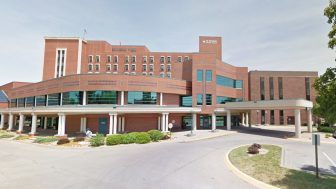
1700 Southwest 7th Street
Topeka, KS 66606
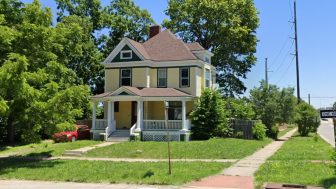
334 Southwest Harrison Street
Topeka, KS 66603
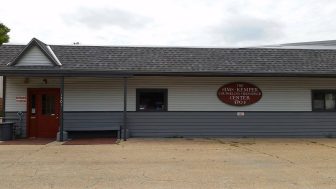
1701 Southwest Medford Avenue
Topeka, KS 66604
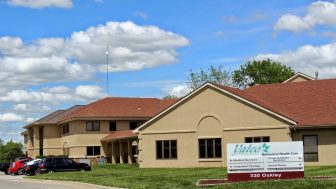
330 Southwest Oakley Avenue
Topeka, KS 66606
