
Clement J Zablocki Veterans Affairs Medical Center – MAIN
5000 W National Ave
Milwaukee, WI 53214
 Sponsored
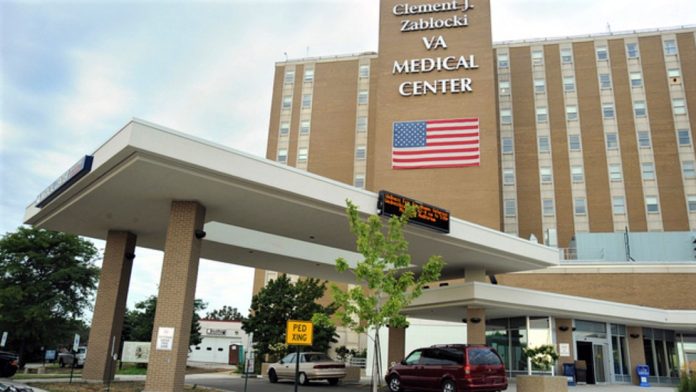
About Clement J Zablocki Veterans Affairs Medical Center – MAIN
The Milwaukee VA Medical Center provides healthcare services for Veterans, including addiction and substance use treatment in Milwaukee, Wisconsin. Treatment integrates behavioral health with broader medical and mental health support, meeting Veterans where they are with coordinated care.
Specialized Treatment for Veterans
I appreciate that the medical center provides a continuum of addiction care from outpatient counseling and group therapy to residential rehabilitation. Services are matched to individual client needs. These options may include medication-assisted treatment, individual counseling and peer-supported group sessions delivered by VA clinicians experienced in treating addictive disorders.
The residential facility offers 24/7 therapeutic and educational programming designed to address not just substance use, but also co-occurring challenges like homelessness, mental health conditions, and unemployment. Treatment targets root causes and daily coping skills, with structured sessions that help Veterans build stability and long-term recovery.
Harm Reduction and Overdose Prevention
I found that Milwaukee VA features an onsite harm reduction vending machine that provides free naloxone and fentanyl test strips to Veterans and visitors. This practical, accessible resource reflects the facility's commitment to lifesaving overdose prevention and meeting Veterans with compassionate, evidence-based harm reduction strategies.
The medical center offers both in-person and telehealth options for behavioral health and substance use services. As a VA facility, care is provided to eligible Veterans enrolled in VA healthcare.
Amenities
Yoga and meditation are great activities to support your recovery process during alcohol or drug rehab. These therapies have been around for centuries, and they are an effective way to improve well-being. Combining addiction treatment, yoga, and meditation can reduce cravings, improve sleep, relieve anxiety and depression, provide stress relief, promote relaxation, support emotional healing, and improve energy levels.
Art and music are mediums that connect with our feelings, making them a great recovery tool during addiction treatment. Studies show that combining art/music and drug rehab can have a greater therapeutic impact than drug rehab alone, as you’re able to access parts of your brain and body that you may not have access to during traditional talk therapy. Benefits of art/music therapy include lowering stress and anxiety, promoting healthy neurochemicals, and providing stress relief.
Treatment centers with a yoga studio offer a special form of holistic therapy during the recovery process. Yoga boosts mindfulness, a sense of calm, and healthy reflection during drug rehab via breathing exercises, stretching, and a progression of specific postures.
Music can be extremely therapeutic, serving as a valuable healing tool and an integrative feature of a holistic treatment plan. A music room offers a large number of outlets, including singing, playing musical instruments, and listening to music.
Addiction Treatment Programs
Individuals in their late teens and early twenties can find help for addiction at a young adult program in Wisconsin. These settings provide a comfortable, safe atmosphere where young adults feel at ease and treatment is customized to meet their unique needs.
Each adult program in Wisconsin is unique, but most use common treatment methods. A combination of social support, medication, and therapies provide the interventions needed to help participants achieve recovery.
Alcohol rehab in Wisconsin provides treatment for alcohol use disorder. Those struggling with excessive alcohol use and related consequences receive interventions, support, and tools to address these issues and move forward on their recovery journey.
During men’s rehab in Wisconsin, men can be more vulnerable. Gender-specific treatment helps them feel free to speak openly about their experiences and emotions. Participants also meet other men who understand what they’re going through.
Women face different pressures and challenges than men. Women’s rehab in Wisconsin acknowledges these differences and provides addiction treatment specifically for women.
Effective opioid rehab in Wisconsin includes medical detox, co-occurring disorder treatment, behavioral therapy, and aftercare. Often, a combination of cognitive-behavioral therapy and medication assisted treatment is helpful.
Cognitive behavioral therapy in Wisconsin can be an effective treatment method for substance use disorders. Treatment techniques, which can be used in individual and group settings, include relapse prevention, motivational interventions, and coping strategies.
The goal of drug rehab in Wisconsin is to come at addiction from every angle. This complex issue involves physical, mental, and relational aspects that must be addressed. During rehab, treatment focuses on each of these areas and gives you the tools you need to manage them without substance use.
The challenges related to substance abuse vary depending on life stage and an individual’s physical and mental health. Elderly rehab in Wisconsin is tailored to meet the needs of seniors, wherever they are on the health spectrum.
Women face different pressures and challenges than men. Women’s rehab in Wisconsin acknowledges these differences and provides addiction treatment specifically for women.
Veteran’s rehab in Wisconsin caters to Veterans who are battling addiction and co-occurring mental health concerns. Specialized recovery tracks are designed for military personnel and first responders.
Through rational emotive behavioral therapy in Wisconsin, individuals become aware of how their beliefs affect their emotions and responses to events. Participants replace negative beliefs with positive ones so they can manage reactions and develop healthier patterns.
Levels of Care
Compared to inpatient treatment, outpatient rehab in Wisconsin requires less time commitment. You’ll attend a few hours of treatment per week as well as support group meetings such as AA or NA. There is no set timeline for completion, but many people remain in outpatient rehab for several months.
Experts in mental health and addiction integrate their services to provide dual diagnosis treatment in Wisconsin. This treatment is designed for anyone who has both a substance abuse disorder and a mental health disorder, such as depression or anxiety.
Recovery is a life-long process. Aftercare rehab in Wisconsin sets you up for success on this journey. It begins after initial treatment ends and continues to provide support as you start on your new sober path. Ongoing counseling, career guidance, financial support, and other practical resources help you stay on the right track.
When you undergo detox in Wisconsin, you receive 24/7 care as medical professionals help your body rid itself of all addictive substances. This process varies in length, depending on history of use and drug type.
While living in a Wisconsin sober living home, you are usually required to submit to random drug tests and attend regular 12-step meetings. These policies, along with requirements to contribute to rent and other household responsibilities, provide a structured environment that helps you strengthen sobriety skills.
The goal of intervention in Wisconsin is to guide your loved one to the treatment they need. These services include education, resources, and support to help family members stage effective interventions and choose the best treatment program for their loved one’s needs.
Accreditations
Contact Information


 Sponsored
Nearby Treatment Centers
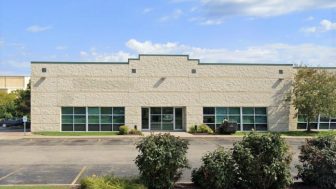
1610 Miller Park Way
West Milwaukee, WI 53214
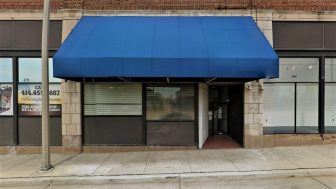
3732 W Wisconsin Ave
# 200
Milwaukee, WI 53208

727 North 31st Street
Milwaukee, WI 53208
1205 S 70th St
suite 301/401
West Allis, WI 53214
