
Midwest Recovery Centers
13340 Holmes Rd
Kansas City, KS 64145
 Sponsored
About Midwest Recovery Centers
You’ll find the Midwest Recovery Centers community intensive outpatient offices amongst shops and businesses in Kansas City, Missouri. If you’ve been able to stop consistent drug and alcohol use but you still want help to prevent relapsing this level of treatment can help. Their outpatient center only treats substance use disorder.
You’ll meet with a recovery group three evenings a week. During these times, you’ll support each other, discuss any challenges you’re facing, and share strategies for overcoming common issues. Individual meetings with your counselor happen every second week.
They treat addictions to alcohol, heroin, methamphetamine, and cocaine. They also deal with addictions to prescription drugs, marijuana, ecstasy, and benzos. Their treatments are effective for fentanyl, hallucinogens, and synthetic drugs, as well.
People comment on how kind, respectful, and helpful the staff are. Many say that the center saved their lives, commenting that the center was their last hope. They work with most major private health insurers.
Amenities
Residential drug rehab provides the comforts of home with the therapeutic support needed to successfully recover. Benefits of an inpatient program include increased safety, a higher success rate, and the time and distance given to focus on recovery. Residential drug rehabs are often the preferred method of treatment, as they can be tailored to meet specific needs, offer focused therapeutic care, and provide the necessary tools to sustain recovery.
Recreational therapy uniquely combines therapeutic interventions with an activity, like horse-riding, hiking, wilderness therapy, basketball, tennis, or a full workout. Benefits of recreational therapy include providing a healthy way to work through the emotions of recovery, learning to build and maintain relationships, improving communication skills, and building self-esteem.
Art and music are mediums that connect with our feelings, making them a great recovery tool during addiction treatment. Studies show that combining art/music and drug rehab can have a greater therapeutic impact than drug rehab alone, as you’re able to access parts of your brain and body that you may not have access to during traditional talk therapy. Benefits of art/music therapy include lowering stress and anxiety, promoting healthy neurochemicals, and providing stress relief.
Treatment centers with a yoga studio offer a special form of holistic therapy during the recovery process. Yoga boosts mindfulness, a sense of calm, and healthy reflection during drug rehab via breathing exercises, stretching, and a progression of specific postures.
In order to maintain a sense of autonomy, many private rehab facilities offer clients the ability to choose their own private rooms. The privacy and personal space ensure that the recovery process is as comfortable as possible.
Music can be extremely therapeutic, serving as a valuable healing tool and an integrative feature of a holistic treatment plan. A music room offers a large number of outlets, including singing, playing musical instruments, and listening to music.
When paired with cognitive-behavioral therapy, exercise can be an effective tool for overcoming addiction. Drug rehabs with a gym offer clients healthy ways to increase energy levels, balance the body’s stress hormone levels, and aid in the brain’s healing process.
Addiction Treatment Programs
Treatment plans at a young adult program in Kansas typically encompass counseling for addiction as well as co-occurring mental health disorders. Young adults who are struggling with anxiety, depression, PTSD, or ADHD can get help for these disorders as well as substance use disorders.
When an individual needs help with an addiction, they can find support at an adult program in Kansas. These treatment programs offer recovery services for men and women ages 18 and older.
Alcohol rehab in Kansas helps individuals who are struggling with alcohol use disorder learn about recovery, its benefits, and how to achieve it. Treatment focuses on motivation to change, skills to accomplish change, and how to maintain long-term success with sobriety.
The most common types of opioid rehab in Kansas are detox, inpatient, intensive outpatient, and support groups. Each use evidence-based therapies to teach strategies for overcoming addiction and maintaining long-term sobriety.
People often benefit from cognitive behavioral therapy in Kansas, as it teaches techniques for coping with negative thoughts, challenging emotions, and triggers. These exercises can be practiced on their own, so people in recovery have effective tools to maintain their sobriety.
No single drug rehab in Kansas is right for everyone. Length, intensity, setting, and treatment methods vary. These can be tailored to meet each person’s needs. With the right program, individuals can successfully end their drug dependency and achieve long-term recovery.
Fitness therapy is an evidence-based complementary approach to addiction recovery and mental health care. Based on mounting scientific evidence of the benefits of physical activity in improving mood, enhancing clients’ sense of wellbeing, and decreasing depression and anxiety, fitness therapy encompasses a wide spectrum of intensities, from gentle yoga, qigong, and tai chi to weight training, kickboxing, and other highly physical activities.
Sound & Music Therapy are complementary treatment modalities frequently used in addiction recovery to support clients’ physical, mental, and emotional wellbeing through the use of auditory stimuli, from nature sounds and Tibetan singing bowls to drum circles and rhythmic melodies. The treatment is believed to reduce symptoms of anxiety and depression and may offer relief for those experiencing chronic pain, which can decrease clients’ risk of addiction relapse.
Levels of Care
Kansas outpatient rehab often includes several types of therapy, such as group, individual, and family. You’ll attend several sessions per week, learning new skills and how to live a sober lifestyle. This treatment will continue for weeks, months, or even years, depending on your ongoing recovery needs.
A dual diagnosis treatment program in Kansas is best suited to meet the needs of those who have co-occurring disorders. If you suffer from anxiety, mood disorder, depression, or ADHD alongside addiction, dual diagnosis treatment will effectively treat both disorders.
Once you’ve completed early phases of treatment, aftercare rehab in Kansas provides continued support. As you begin to face challenges of everyday life, this program gives you the tools you need to meet them. Ongoing counseling, support groups, and financial guidance are common aspects of aftercare, which may continue for a year or more after initial treatment.
Inpatient rehab in Kansas involves participation in group, individual, and other types of therapy in a medically supervised setting. Treatment may also include medication management and holistic therapies. It requires living at the drug rehab for the duration of treatment.
Drug rehab in Kansas typically begins with detox. This process can last up to a week. During that time, you’ll receive 24/7 supervision and medical assistance to cleanse your body of all addictive substances.
As a bridge between rehab and independent living, sober living in Kansas typically lasts five to eight months. However, you can decide when you’re ready to move to the next step in your recovery journey. While in this setting, you’ll reside with others in recovery at a private home, adhering to house rules and attending 12-step meetings.
Intervention services are often necessary to encourage a loved one to enter drug rehab in Kansas. These services offer assistance with intervention planning and facilitating, access to resources for developing a treatment plan, and guidance in the admittance process.
Partial hospitalization programs (PHPs) offer many of the same treatment services as inpatient care, but you return home during non-treatment times. This type of treatment often serves as a bridge between inpatient and outpatient drug rehab in Kansas.
Accreditations
Contact Information


 13340 Holmes Rd
Kansas City, KS 64145 Sponsored
13340 Holmes Rd
Kansas City, KS 64145 Sponsored
Nearby Treatment Centers
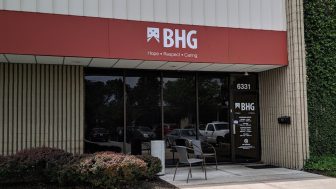
6331 West 110th Street
Overland Park, KS 66211
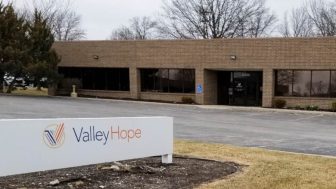
10114 West 105th Street
Overland Park, KS 66212
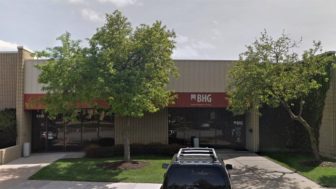
6331 W 110th St
Overland Park, KS 66211

4061 Indian Creek Parkway
Suite 330
Overland Park, KS 66207
