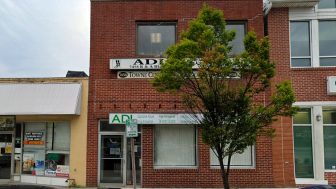
Maryland House Detox
Closed: Please See Nearby Facilities
Linthicum Heights, Maryland
 Sponsored
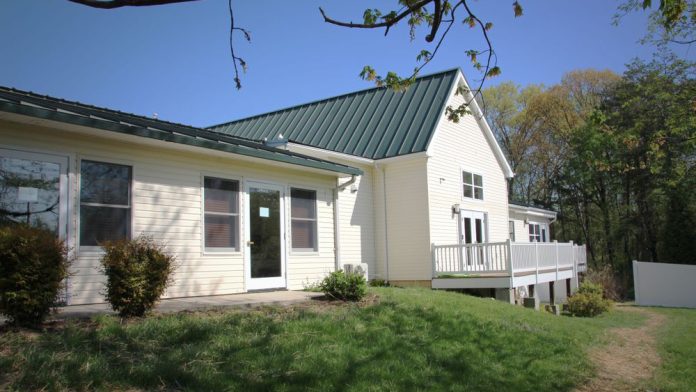
About Maryland House Detox
Maryland House Detox is a freestanding drug and alcohol treatment center conveniently located between Annapolis and Washington, D.C., in Linthicum, Maryland. Maryland House Detox is the first step in substance abuse recovery by stabilizing adult clients and referring them to ongoing care services. Their detox service typically lasts between five and seven days. Services provided by Maryland House Detox include medically monitored detoxification, medical evaluations, individual therapy, addiction education, clinical care, and referrals.
Maryland House Detox specializes in withdrawal management and continuing care services. Following detox, it's recommended that clients continue to a lower level of care. Specialists at Maryland House Detox will perform a comprehensive medical evaluation to determine a client's needs and, based on the results, help them connect to medical and recovery services to get the help they need. The Joint Commission and the National Association for Behavioral Health Services accredit Maryland House Detox.
Amenities
Luxury rehab is a form of treatment offered in a residential, resort-style setting. You’ll receive personalized treatment from staff and clinicians, have access to forms of treatment that go beyond what a typical inpatient rehab offers, and offer specific amenities like ocean views, large single occupancy bedrooms with private baths, and complementary spa treatments like massage, acupuncture, or reiki. Most luxury rehab centers have a limited number of beds.
Private drug rehab provides a comfortable, secure environment that allows you to focus on doing the work to get your life back on track. Benefits include a higher staff-to-client ratio, increased one-on-one time with therapists and healthcare providers, private rooms for clients, and customized forms of therapy.
Recreational therapy uniquely combines therapeutic interventions with an activity, like horse-riding, hiking, wilderness therapy, basketball, tennis, or a full workout. Benefits of recreational therapy include providing a healthy way to work through the emotions of recovery, learning to build and maintain relationships, improving communication skills, and building self-esteem.
Addiction Treatment Programs
During crucial developmental years, addiction can cause cognitive impairment, increase risky behavior, and impair social development. A young adult program in Maryland can help individuals learn to make healthy choices and avoid these downfalls of addiction.
A typical adult program in Maryland offers a private setting for rehabilitation from alcohol or drugs. Treatment often includes group therapy, individual counseling, and family support and may occur in a residential facility or through outpatient care.
If you desire to discontinue alcohol use, alcohol rehab in Maryland can help. Through detox, counseling, and aftercare, these programs can help you break free from alcohol dependence.
Men’s rehab in Maryland helps men recover from substance use disorders and start rebuilding their lives. Therapies focus on men only and their unique needs.
Women’s rehab in Maryland provides an environment where women can step back from daily stresses and distractions to focus on their recovery. The caring, safe surroundings help create positive recovery outcomes.
Opioid rehab in Maryland takes place in a safe, supportive environment that minimizes access to opioids and reduces stressors that trigger relapse. Treatment often begins with medical detox, followed by inpatient rehab that may last 30 to 90 days. Aftercare is provided to help maintain long-term sobriety.
Cognitive behavioral therapists use multiple exercises during cognitive behavioral therapy in Maryland. A combination of imagery-based exposure, behavioral experiments, and thought records can provide effective treatment for addiction and co-occurring disorders.
Once a person becomes addicted to a substance, drug rehab in Maryland is often necessary to overcome that addiction. These programs provide the tools individuals need to manage the physical, mental, and emotional issues involved and begin a successful recovery journey.
Through elderly rehab in Maryland, seniors can find the help they need to overcome addiction. These age-specific rehab programs address substance use disorders, dual diagnosis, and age-related challenges.
Women’s rehab in Maryland provides an environment where women can step back from daily stresses and distractions to focus on their recovery. The caring, safe surroundings help create positive recovery outcomes.
Veteran’s rehab in Maryland can help with a variety of addiction and related disorders. Treatment is available for alcohol use disorder, drug use disorder, PTSD, depression, and anxiety.
Rational emotive behavioral therapy in Maryland states that behaviors, feelings, and thoughts are interconnected. The premise of this therapy is to identify irrational thoughts, so you can experience more positive feelings that lead to healthier behaviors.
Levels of Care
Addiction challenges don’t end after rehab. To maintain good health and sobriety, you’ll need to continue to manage your addiction. Aftercare rehab in Maryland helps you by providing continued access to specialists, counselors, and life coaches for as long as you need them.
The most intensive level of care is known as inpatient rehab. It involves living at the facility until you finish your program, receiving extensive individual and group addiction counseling, recovery-focused life skills training, and complementary therapies.
Intervention services are often necessary before treatment at a drug rehab in Maryland can begin. These professional services help you encourage your loved one to get the treatment they need. Support includes intervention facilitation, education about treatment plan options, and guidance in selecting the best program for your loved one.
Maryland drug rehabs often start with detox. During this initial step, your body will be cleansed of all addictive substances. You’ll remain under constant supervision and may receive medication to alleviate withdrawal symptoms.