
Lutheran Social Services
 Sponsored
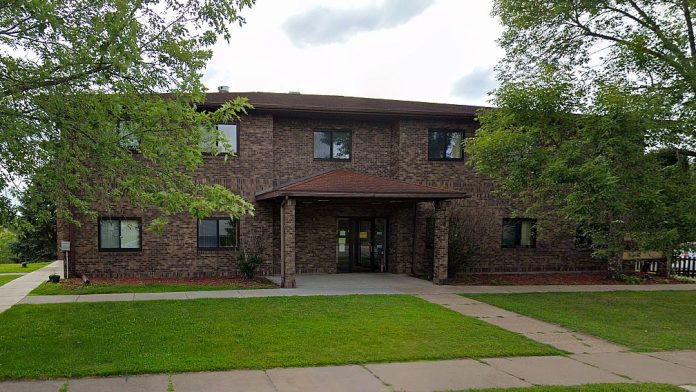
About Lutheran Social Services
LSS Fahrman Center is a 42-bed co-ed residential substance use treatment facility serving adults across Eau Claire County and the Chippewa Valley.
This Lutheran Social Services program supports adults 18 and older with substance use disorders, including those managing co-occurring mental health concerns through therapy.
For nearly 50 years Fahrman Center has offered compassionate, community-rooted care that treats the whole person on the path to lasting recovery.
Residential Substance Use Treatment
I found that Fahrman Center's primary focus is residential substance use disorder care within a supportive community-based setting.
The program combines daily group sessions, substance use assessments and educational services with evidence-based counseling.
In treatment clients engage with proven approaches like cognitive behavioral therapy, motivational interviewing, dialectical behavior therapy and trauma-informed care.
Recreation, Fitness, and Whole-Person Recovery
Beyond counseling, I noted that Fahrman Center emphasizes recreation and wellness as part of the healing process.
The facility offers exercise rooms, a walking track, frisbee golf, basketball, volleyball and lounges with games and fitness equipment.
This active, outdoor-friendly environment helps residents build healthy routines that support long-term sobriety.
Amenities
Recreational therapy uniquely combines therapeutic interventions with an activity, like horse-riding, hiking, wilderness therapy, basketball, tennis, or a full workout. Benefits of recreational therapy include providing a healthy way to work through the emotions of recovery, learning to build and maintain relationships, improving communication skills, and building self-esteem.
Art and music are mediums that connect with our feelings, making them a great recovery tool during addiction treatment. Studies show that combining art/music and drug rehab can have a greater therapeutic impact than drug rehab alone, as you’re able to access parts of your brain and body that you may not have access to during traditional talk therapy. Benefits of art/music therapy include lowering stress and anxiety, promoting healthy neurochemicals, and providing stress relief.
Treatment centers with a yoga studio offer a special form of holistic therapy during the recovery process. Yoga boosts mindfulness, a sense of calm, and healthy reflection during drug rehab via breathing exercises, stretching, and a progression of specific postures.
Music can be extremely therapeutic, serving as a valuable healing tool and an integrative feature of a holistic treatment plan. A music room offers a large number of outlets, including singing, playing musical instruments, and listening to music.
When paired with cognitive-behavioral therapy, exercise can be an effective tool for overcoming addiction. Drug rehabs with a gym offer clients healthy ways to increase energy levels, balance the body’s stress hormone levels, and aid in the brain’s healing process.
When used as part of an evidence-based treatment plan, basketball can boost physical and mental health, lead to sharper thinking, and facilitate improved self-esteem. Drug rehabs with a basketball court also place a focus on teamwork and cooperation.
Yoga and meditation are great activities to support your recovery process during alcohol or drug rehab. These therapies have been around for centuries, and they are an effective way to improve well-being. Combining addiction treatment, yoga, and meditation can reduce cravings, improve sleep, relieve anxiety and depression, provide stress relief, promote relaxation, support emotional healing, and improve energy levels.
Addiction Treatment Programs
Individuals in their late teens and early twenties can find help for addiction at a young adult program in Wisconsin. These settings provide a comfortable, safe atmosphere where young adults feel at ease and treatment is customized to meet their unique needs.
Each adult program in Wisconsin is unique, but most use common treatment methods. A combination of social support, medication, and therapies provide the interventions needed to help participants achieve recovery.
Alcohol rehab in Wisconsin provides treatment for alcohol use disorder. Those struggling with excessive alcohol use and related consequences receive interventions, support, and tools to address these issues and move forward on their recovery journey.
During men’s rehab in Wisconsin, men can be more vulnerable. Gender-specific treatment helps them feel free to speak openly about their experiences and emotions. Participants also meet other men who understand what they’re going through.
Women face different pressures and challenges than men. Women’s rehab in Wisconsin acknowledges these differences and provides addiction treatment specifically for women.
Effective opioid rehab in Wisconsin includes medical detox, co-occurring disorder treatment, behavioral therapy, and aftercare. Often, a combination of cognitive-behavioral therapy and medication assisted treatment is helpful.
Cognitive behavioral therapy in Wisconsin can be an effective treatment method for substance use disorders. Treatment techniques, which can be used in individual and group settings, include relapse prevention, motivational interventions, and coping strategies.
The goal of drug rehab in Wisconsin is to come at addiction from every angle. This complex issue involves physical, mental, and relational aspects that must be addressed. During rehab, treatment focuses on each of these areas and gives you the tools you need to manage them without substance use.
Levels of Care
Compared to inpatient treatment, outpatient rehab in Wisconsin requires less time commitment. You’ll attend a few hours of treatment per week as well as support group meetings such as AA or NA. There is no set timeline for completion, but many people remain in outpatient rehab for several months.
Experts in mental health and addiction integrate their services to provide dual diagnosis treatment in Wisconsin. This treatment is designed for anyone who has both a substance abuse disorder and a mental health disorder, such as depression or anxiety.
Inpatient alcohol and drug rehab in Wisconsin is often a good fit for those who need intensive care as they start their recovery process. In this setting, you will live at the facility and receive 24/7 supervision while participating in various therapy sessions.
When you undergo detox in Wisconsin, you receive 24/7 care as medical professionals help your body rid itself of all addictive substances. This process varies in length, depending on history of use and drug type.
While living in a Wisconsin sober living home, you are usually required to submit to random drug tests and attend regular 12-step meetings. These policies, along with requirements to contribute to rent and other household responsibilities, provide a structured environment that helps you strengthen sobriety skills.
Accreditations
Staff
Contact Information


 Sponsored
Patti Croft is a full-time writer who writes about accessing effective addiction treatment during the day but is also pursuing her dream of penning a novel in her spare time. She enjoys copious amounts of coffee as creative fuel and sharing an office with her adorable cat, Beau. Her background is in healthcare management, and she is a passionate advocate for mental health and addiction care.
Rehabs.org regularly reviews this listing for accuracy but changes may occur between updates. For the most up-to-date information, please contact Lutheran Social Services.
Nearby Treatment Centers
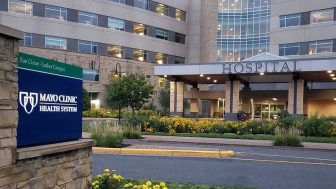
1221 Whipple Street
Eau Claire, WI 54703

2005 Highland Avenue
Eau Claire, WI 54701
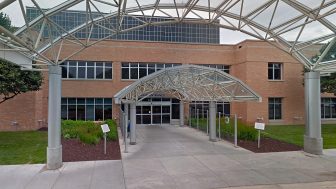
900 West Clairemont Avenue
Eau Claire, WI 54701
3440 Oakwood Hills Parkway
Eau Claire, WI 54701
