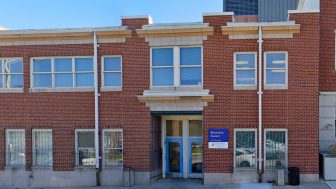
The Johns Hopkins Hospital Department of Psychiatry and Behavioral Sciences
600 North Wolfe Street
Room 144
Baltimore, MD 21205
 Sponsored
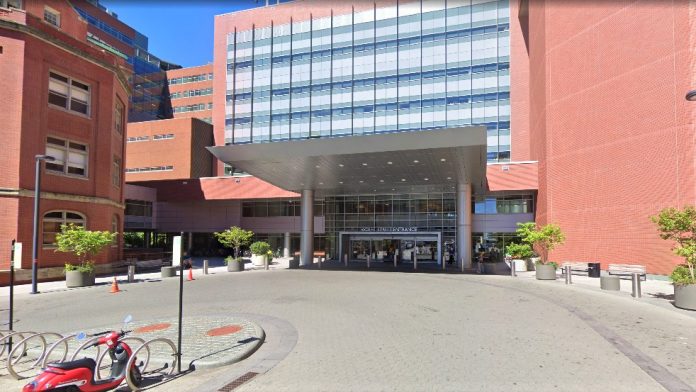
About The Johns Hopkins Hospital Department of Psychiatry and Behavioral Sciences
The Johns Hopkins Hospital Department of Psychiatry and Behavioral Sciences offers behavioral health treatment in Baltimore, Maryland. They offer a general and intensive outpatient program.
Staff members can help treat mental illnesses that may be contributing to addiction. If more intensive, the hospital may be able to refer you to an addiction treatment facility.
Clients often praise the knowledgeable staff, evidence-based methods and a treatment environment that bridges science and compassionate support.
Helpful Outpatient Care
Some of the services that are provided as a part of the intensive outpatient program are group therapy and medication management. Therapeutic approaches that counselors may use include cognitive behavioral therapy (CBT) and dialectical behavior therapy (DBT).
Services Tailored to Hispanics
One thing that stood out to me about this location is their Hispanic Clinic. Services are tailored towards treating common mental health problems among Hispanic children and adults. You’ll have access to a bilingual therapist.
Johns Hopkins Hospital accepts a wide range of insurance plans including Medicare and Medical Assistance, along with some private insurers. Financial assistance is also available for eligible individuals.
Amenities
Private drug rehab provides a comfortable, secure environment that allows you to focus on doing the work to get your life back on track. Benefits include a higher staff-to-client ratio, increased one-on-one time with therapists and healthcare providers, private rooms for clients, and customized forms of therapy.
Residential drug rehab provides the comforts of home with the therapeutic support needed to successfully recover. Benefits of an inpatient program include increased safety, a higher success rate, and the time and distance given to focus on recovery. Residential drug rehabs are often the preferred method of treatment, as they can be tailored to meet specific needs, offer focused therapeutic care, and provide the necessary tools to sustain recovery.
In order to maintain a sense of autonomy, many private rehab facilities offer clients the ability to choose their own private rooms. The privacy and personal space ensure that the recovery process is as comfortable as possible.
Addiction Treatment Programs
During crucial developmental years, addiction can cause cognitive impairment, increase risky behavior, and impair social development. A young adult program in Maryland can help individuals learn to make healthy choices and avoid these downfalls of addiction.
A typical adult program in Maryland offers a private setting for rehabilitation from alcohol or drugs. Treatment often includes group therapy, individual counseling, and family support and may occur in a residential facility or through outpatient care.
Men’s rehab in Maryland helps men recover from substance use disorders and start rebuilding their lives. Therapies focus on men only and their unique needs.
Women’s rehab in Maryland provides an environment where women can step back from daily stresses and distractions to focus on their recovery. The caring, safe surroundings help create positive recovery outcomes.
Cognitive behavioral therapists use multiple exercises during cognitive behavioral therapy in Maryland. A combination of imagery-based exposure, behavioral experiments, and thought records can provide effective treatment for addiction and co-occurring disorders.
Through elderly rehab in Maryland, seniors can find the help they need to overcome addiction. These age-specific rehab programs address substance use disorders, dual diagnosis, and age-related challenges.
Rational emotive behavioral therapy in Maryland states that behaviors, feelings, and thoughts are interconnected. The premise of this therapy is to identify irrational thoughts, so you can experience more positive feelings that lead to healthier behaviors.
Assertive Community Treatment (ACT) is an integrative, community-based care strategy designed to address the needs of persons with severe and/or complex mental illness or behavioral disorders. ACT is typically provided by a multidisciplinary team of medical and mental health care providers, social workers, therapists, and other specialists, including addiction recovery professionals. These services are frequently provided in the home and community to clients in crisis, those who are clinically unstable, and those who are unable or unwilling to travel to a hospital or clinic for in-person treatment.
Levels of Care
Outpatient rehab in Maryland is best suited for those who are coping well in recovery but need ongoing treatment. This level of rehab offers accountability and support through regular therapy sessions and support group meetings. It may last for weeks or months, based on your ongoing recovery needs.
If you have both a mental health and substance use disorder, these cannot be treated independently. They interact, so the treatment must be integrated. Dual diagnosis treatment in Maryland is designed to treat both co-occurring disorders.
Addiction challenges don’t end after rehab. To maintain good health and sobriety, you’ll need to continue to manage your addiction. Aftercare rehab in Maryland helps you by providing continued access to specialists, counselors, and life coaches for as long as you need them.
The most intensive level of care is known as inpatient rehab. It involves living at the facility until you finish your program, receiving extensive individual and group addiction counseling, recovery-focused life skills training, and complementary therapies.
Maryland drug rehabs often start with detox. During this initial step, your body will be cleansed of all addictive substances. You’ll remain under constant supervision and may receive medication to alleviate withdrawal symptoms.
A Maryland sober living home is appropriate for those who want to abstain from drugs and alcohol but need a high level of accountability. If you don’t have strong support at home or have been resistant to treatment in the past, this structured environment can provide the support you need to maintain sobriety in the first few months of recovery.
Accreditations
Accepted Insurance




Contact Information


 Sponsored