Howard Center – Park Street Program
 Sponsored
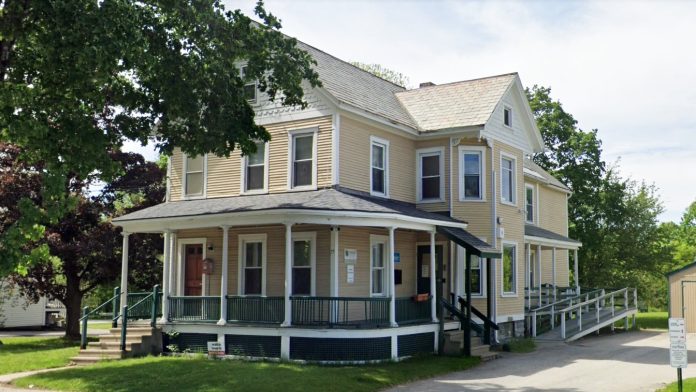
About Howard Center – Park Street Program
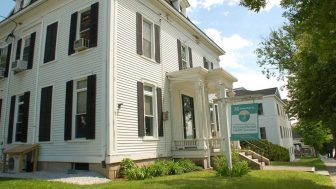
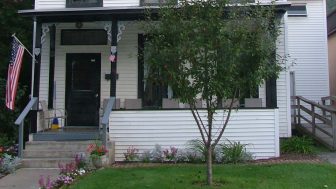
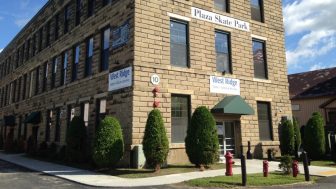
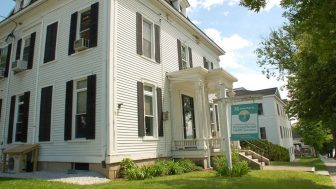
Howard Center – Park Street Program is a residential substance use treatment program in Rutland, Vermont offering recovery focused care for adults managing addiction and co-occurring mental health conditions.
The program provides structured residential services and transitional housing supports as part of Howard Center's broader community based network of mental health and substance use care.
Recovery Programs at Park Street
Treatment begins with an assessment to determine appropriate level of care, with services centered on residential treatment and transitional housing for adults in recovery.
I think it's important to note that the program is designed to help clients stabilize, address substance use and build the skills needed for long term sobriety and independent living.
Residents participate in individual and group counseling, recovery planning and skill building activities.
With an emphasis on co-occurring mental health needs, I appreciate that the program supports whole person recovery in a structured community environment that encourages accountability and connection.
Quick Facts
- Location: 77 Park Street in Rutland, Vermont and part of the Howard Center network
- Levels of care: Residential treatment and transitional housing supports
- Who they treat: Adults with substance use disorders and co-occurring mental health conditions
- Approach: Recovery oriented care with counseling, recovery planning and independent living skill building
- Payment options: Medicaid, Medicare, most private insurance plans and a sliding fee scale for those who qualify
- Additional support: Assistance identifying alternative funding for uninsured clients
Amenities
Private drug rehab provides a comfortable, secure environment that allows you to focus on doing the work to get your life back on track. Benefits include a higher staff-to-client ratio, increased one-on-one time with therapists and healthcare providers, private rooms for clients, and customized forms of therapy.
Residential drug rehab provides the comforts of home with the therapeutic support needed to successfully recover. Benefits of an inpatient program include increased safety, a higher success rate, and the time and distance given to focus on recovery. Residential drug rehabs are often the preferred method of treatment, as they can be tailored to meet specific needs, offer focused therapeutic care, and provide the necessary tools to sustain recovery.
Addiction treatment in the metro area benefits clients by offering seamless connections from the city, around the state, and those seeking out-of-state treatment. Another benefit of attending a metro area drug rehab is that you’re close to major airports and ground transportation services.
Business centers are a preferred amenity in many mental health and addiction recovery facilities and typically feature secure, high-speed internet, computer stations, printers, and related business technologies. Business centers are designed to enable professionals and students to continue to participate in work or school activities without leaving the treatment facility.
Addiction treatment programs provide an opportunity to get your life back on track with access to school classes or college courses. Whether you want to finish your GED or go back to school to learn a new trade, facilities often enlist tutors and teachers who are certified or licensed by the state to oversee self-study or distance-learning education.
Addiction Treatment Programs
When participating in a young adult program in Vermont, you learn how to manage stress and anxiety without alcohol or drugs. Treatment helps them with personal growth, life skills, nutrition, parenting skills, boundaries, and other challenges unique to this stage of life.
If you need support with substance use issues, an adult program in Vermont can help. These programs effectively treat substance use disorders by providing individualized therapies at whatever level of care you need.
A form of psychoterhapy, cognitive behavioral therapy in Vermont helps individuals become aware of thought and behavioral patterns that lead to substance use. It provides coping skills to change patterns and help the individual make better choices in the future.
A person with substance dependence can achieve recovery through drug rehab in Vermont. Professional staff provide a combination of interventions that are designed to help you attain and maintain abstinence from drugs.
Alcohol rehab in Vermont is often the crucial first step for those on a recovery journey. At rehab, men and women find the tools they need to change their thinking, behavior, and environment. This allows them to move forward on their journey and achieve long-term sobriety.
When you choose opioid rehab in Vermont, you’ll receive the support you need to develop healthy coping skills and learn how to live a sober lifestyle. This treatment allows individuals to address the issues behind addiction and achieve long-term recovery.
During rehab, rational emotive behavioral therapy in Vermont can help the individual develop healthier ways to approach stress. They learn new ways to react and cope, so they don’t turn to alcohol or drugs to alleviate negative emotions.
Elderly rehab in Vermont provides individualized addiction treatment plans for older adults. Significant medical issues, as well as co-occurring disorders, are taken into account as treatment plans are developed.
Levels of Care
Inpatient alcohol and drug rehab in Vermont offers the most intensive level of care for recovery. It involves living at the facility while participating in counseling sessions, recreation therapy, and other forms of treatment.
If mental illness is present alongside substance abuse, as it often is, then dual diagnosis treatment in Vermont is necessary. This integrated approach uses methods such as individual and family counseling, medication management, and cognitive-behavioral therapy to address both disorders.
One of the most valuable tools offered at drug rehabs in Vermont are intervention services. These services give family members the education and resources they need to conduct effective interventions and guide loved ones to the best treatment plans for their recovery needs.
The timeline for outpatient rehab in Vermont is different for everyone. The program is tailored to meet your recovery needs, and it may last 90 days or years. During this time, you’ll attend treatment sessions that focus on developing strategies to meet challenges and prevent relapse.
Contact Information


 Sponsored
Natalie is a recent graduate of Purdue University, where she studied psychology and creative writing. Every morning, she’s fueled by a cup of tea and her passion for making sure mental health resources are accessible to everyone. In her spare time, she loves writing poetry by her window, where she can watch the sunrise.
Rehabs.org regularly reviews this listing for accuracy but changes may occur between updates. For the most up-to-date information, please contact Howard Center – Park Street Program.