
Horizons Mental Health Center
1600 North Lorraine Street
Suite 202
Hutchinson, KS 67501
 Sponsored
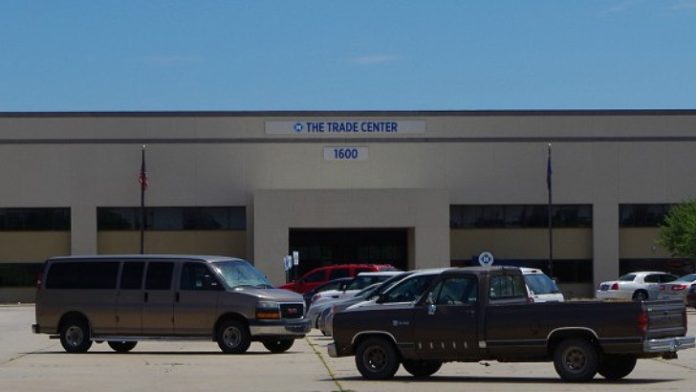
About Horizons Mental Health Center
A member of the Hutchinson Regional Healthcare family, Horizons Mental Health provides outpatient behavioral health services. Here, you’ll find mental health therapy, addiction recovery groups, and medication assisted therapy (MAT). Services are available for children, adolescents and adults. You can also access case management, homeless support, and parenting support. Primary care is provided on a short and real time intervention basis.
Horizons treats a dual diagnosis of substance use disorder and mental health disorders. Treatment includes individual, group, and family therapy. The goal of treatment focuses on reducing cravings, preventing relapse, and addressing mental health symptoms. Treatment is individualized and includes psychoeducation. For opioid and alcohol use disorders, medications like Suboxone and Vivitrol may be used to treat withdrawal symptoms and decrease physical cravings. There is a specialized treatment group for adolescents.
Social Security Outreach, Access and Recovery (SOAR) is a Horizons program for people with persistent mental illness and addiction who are also experiencing homelessness. They connect people to disability and social security with the goal of meeting their basic needs and helping them stabilize. Independent living skills building can help get people to become more comfortable living independently.
In-home and community based services like wraparound facilitation and parent support and training give people out in the community a chance to receive support. Short term respite care can provide children and caregivers a break from their normal routines.
One previous client said they are extremely grateful for the support they received at Horizons. Another person said that they’ve been to many mental health facilities, and they received the best treatment here.
Amenities
Recreational therapy uniquely combines therapeutic interventions with an activity, like horse-riding, hiking, wilderness therapy, basketball, tennis, or a full workout. Benefits of recreational therapy include providing a healthy way to work through the emotions of recovery, learning to build and maintain relationships, improving communication skills, and building self-esteem.
When paired with cognitive-behavioral therapy, exercise can be an effective tool for overcoming addiction. Drug rehabs with a gym offer clients healthy ways to increase energy levels, balance the body’s stress hormone levels, and aid in the brain’s healing process.
Addiction Treatment Programs
Treatment plans at a young adult program in Kansas typically encompass counseling for addiction as well as co-occurring mental health disorders. Young adults who are struggling with anxiety, depression, PTSD, or ADHD can get help for these disorders as well as substance use disorders.
When an individual needs help with an addiction, they can find support at an adult program in Kansas. These treatment programs offer recovery services for men and women ages 18 and older.
People often benefit from cognitive behavioral therapy in Kansas, as it teaches techniques for coping with negative thoughts, challenging emotions, and triggers. These exercises can be practiced on their own, so people in recovery have effective tools to maintain their sobriety.
With a focus on addressing the physical and mental challenges that often make older individuals more susceptible to substance use disorders, elderly rehab in Kansas provides a targeted solution. Staff are trained in geriatric issues and how to provide relevant care for seniors.
Rational emotive behavioral therapy in Kansas focuses on the present moment rather than the past. It is action-oriented, helping the individual identify and replace maladaptive beliefs that are contributing to substance use and addiction.
Fitness therapy is an evidence-based complementary approach to addiction recovery and mental health care. Based on mounting scientific evidence of the benefits of physical activity in improving mood, enhancing clients’ sense of wellbeing, and decreasing depression and anxiety, fitness therapy encompasses a wide spectrum of intensities, from gentle yoga, qigong, and tai chi to weight training, kickboxing, and other highly physical activities.
Levels of Care
Kansas outpatient rehab often includes several types of therapy, such as group, individual, and family. You’ll attend several sessions per week, learning new skills and how to live a sober lifestyle. This treatment will continue for weeks, months, or even years, depending on your ongoing recovery needs.
A dual diagnosis treatment program in Kansas is best suited to meet the needs of those who have co-occurring disorders. If you suffer from anxiety, mood disorder, depression, or ADHD alongside addiction, dual diagnosis treatment will effectively treat both disorders.
Once you’ve completed early phases of treatment, aftercare rehab in Kansas provides continued support. As you begin to face challenges of everyday life, this program gives you the tools you need to meet them. Ongoing counseling, support groups, and financial guidance are common aspects of aftercare, which may continue for a year or more after initial treatment.
Inpatient rehab in Kansas involves participation in group, individual, and other types of therapy in a medically supervised setting. Treatment may also include medication management and holistic therapies. It requires living at the drug rehab for the duration of treatment.
Accreditations
Contact Information


 Sponsored
Nearby Treatment Centers

1102 Hospital Dr
Mcpherson, KS 67460
200 S Avenue B Ave
Moundridge, KS 67107
400 West 2nd Avenue
Suite A
Hutchinson, KS 67501
1309 N Duncan St.
Newton, KS 67114
