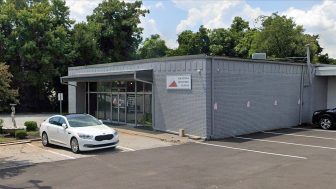
Hope For Families Recovery Center
 Sponsored
About Hope For Families Recovery Center
Hope For Families Recovery Center is a Greenville, South Carolina based addiction support organization offering outpatient services locally and coaching and education nationwide.
I discovered they work with adults struggling with substance use as well as the spouses, partners, and parents impacted by a loved one's addiction, using a strategy based and strengths oriented approach.
I was impressed by their philosophy which rejects "tough love" and rock bottom thinking in favor of connection, communication, and practical behavior change that helps families create momentum even before their loved one is ready for help.
Denial Breakthrough Challenge and Beyond Boundaries Programs
Family support is at the heart of Hope For Families' model. Sessions focus on addiction education, boundary setting, and communication strategies tailored to each family's situation.
Through private consultations, membership based group coaching, and signature programs like the Denial Breakthrough Challenge, Invisible Intervention, and Beyond Boundaries, the team equips loved ones with tools to influence change without ultimatums.
Testimonials frequently describe the coaching as instrumental in helping families navigate crises, prepare for a loved one's return from treatment, and guide partners into detox or residential care when needed.
Strength Based Recovery Coaching
For clients in recovery, Amber leads Strength Based Recovery Coaching that emphasizes trust, connection, and sustainable change over confrontation.
This track complements the family work and allows both sides of the addiction dynamic to receive support, even independently of one another.
Addiction Treatment Programs
The goal of an adult program in South Carolina is to help individuals who have substance use disorders achieve the highest level of independence and best quality of life attainable. This is accomplished through a variety of counseling and therapy methods tailored to the individual.
Alcohol rehab in South Carolina includes outpatient and inpatient programs. Inpatient requires participants to live at the facility, while outpatient programs provide daily support while the individual lives at home. The goal of both is to address addiction issues and help participants achieve long-term sobriety.
Men’s rehab in South Carolina can provide an environment where men feel safe from judgment and are comfortable sharing about their struggles. This can be key to successful recovery.
Women’s rehab in South Carolina focuses on physical, emotional, and spiritual support for women who are struggling with addiction. Often, women feel more relaxed and recover more quickly in these gender-specific settings.
Get the tools you need to fight back against addiction at drug rehab in South Carolina. Rehab treatment helps you overcome drug dependency, manage cravings, and prevent relapse. This is accomplished through individualized treatment that addresses a full spectrum of physical, social, and emotional needs.
Levels of Care
South Carolina outpatient rehab often helps people transition back to their lives from inpatient rehab. This less restrictive program involves attending regular counseling sessions and support group meetings. The length of outpatient rehab varies from short-term to long-term, based on each person’s recovery journey.
Inpatient drug rehab in South Carolina can last anywhere from a few weeks to more than 90 days, depending on the program. During that time, you will live at the rehab facility and receive treatment such as counseling, medication, and forms of holistic therapy.
Your first phase of drug rehab in South Carolina is detox. You’ll receive 24/7 supervised care while your body is cleansed of all toxins. Once this process is complete, you are able to move on to the next steps of recovery.
The ultimate goal of intervention services in South Carolina is to motivate your loved one to get the treatment they need. This is accomplished through professional intervention facilitation and the development of an effective treatment plan that meets your loved one’s needs.
Contact Information


 Sponsored
Kimberly Hawkins holds a master’s degree in computing and information sciences from East Tennessee State University. She is a content writer specializing in alcoholism, drug addiction, and co-occurring disorders. Kimberly has been passionate about the subject of addiction since her only sibling passed away due to an accidental overdose. Her other interests include playing the piano, being in tranquil natural environments, and spending time with her adult children.
Rehabs.org regularly reviews this listing for accuracy but changes may occur between updates. For the most up-to-date information, please contact Hope For Families Recovery Center.