Park West Health System
4120 Patterson Avenue
Baltimore, MD 21215
 Sponsored
About Park West Health System
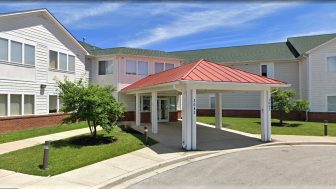
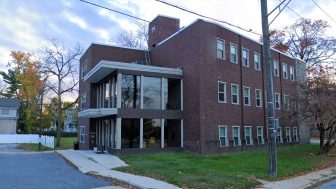
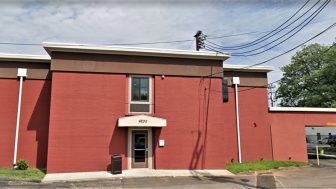
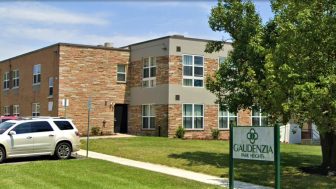
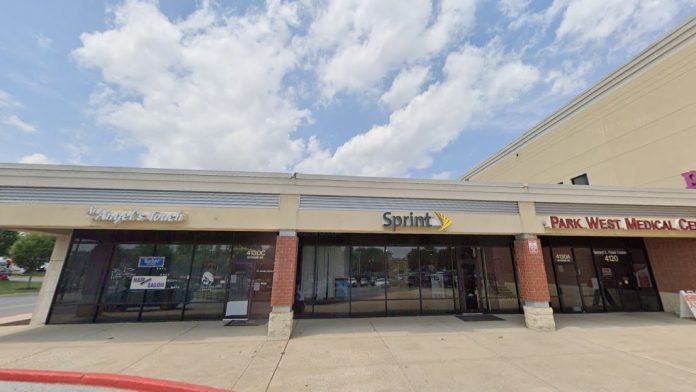
Park West Health System is a hospital system with locations in Baltimore, Maryland. The Reisterstown Road Plaza location offers outpatient services, which may include mental health and addiction treatment.
Services such as medication assisted treatment (MAT), case management, and integrated care for your medical and behavioral health needs may be available. I think it’s helpful that if there are services you need that they don’t have at this location, they can refer you to other facilities in the Park West Health System.
The clinic accepts Medicare and Medicaid along with private health insurance plans. You can reach out to them to find out more about what plans they take and what alternate payment arrangements they may have.
Outpatient Treatment in Baltimore
The behavioral health services at Park West can address mental health, addiction and co occurring disorders. They have psychiatrists that can provide mental health medication as well as MAT. If you need more intensive treatment, they can refer you to the appropriate providers or locations.
Case Management Services for Additional Support
One thing I noticed is that they have case managers who can help you establish your recovery more securely through a variety of support services.
Case managers can help you find housing, employment services, financial assistance and legal aid. They can also connect you to recovery support groups and peer resources in the community.
Addiction Treatment Programs
During crucial developmental years, addiction can cause cognitive impairment, increase risky behavior, and impair social development. A young adult program in Maryland can help individuals learn to make healthy choices and avoid these downfalls of addiction.
A typical adult program in Maryland offers a private setting for rehabilitation from alcohol or drugs. Treatment often includes group therapy, individual counseling, and family support and may occur in a residential facility or through outpatient care.
If you desire to discontinue alcohol use, alcohol rehab in Maryland can help. Through detox, counseling, and aftercare, these programs can help you break free from alcohol dependence.
Men’s rehab in Maryland helps men recover from substance use disorders and start rebuilding their lives. Therapies focus on men only and their unique needs.
Women’s rehab in Maryland provides an environment where women can step back from daily stresses and distractions to focus on their recovery. The caring, safe surroundings help create positive recovery outcomes.
Opioid rehab in Maryland takes place in a safe, supportive environment that minimizes access to opioids and reduces stressors that trigger relapse. Treatment often begins with medical detox, followed by inpatient rehab that may last 30 to 90 days. Aftercare is provided to help maintain long-term sobriety.
Once a person becomes addicted to a substance, drug rehab in Maryland is often necessary to overcome that addiction. These programs provide the tools individuals need to manage the physical, mental, and emotional issues involved and begin a successful recovery journey.
Women’s rehab in Maryland provides an environment where women can step back from daily stresses and distractions to focus on their recovery. The caring, safe surroundings help create positive recovery outcomes.
Levels of Care
Outpatient rehab in Maryland is best suited for those who are coping well in recovery but need ongoing treatment. This level of rehab offers accountability and support through regular therapy sessions and support group meetings. It may last for weeks or months, based on your ongoing recovery needs.
If you have both a mental health and substance use disorder, these cannot be treated independently. They interact, so the treatment must be integrated. Dual diagnosis treatment in Maryland is designed to treat both co-occurring disorders.
Maryland drug rehabs often start with detox. During this initial step, your body will be cleansed of all addictive substances. You’ll remain under constant supervision and may receive medication to alleviate withdrawal symptoms.
Contact Information


 Sponsored