The Harry and Jeanette Weinberg Center
 Sponsored

About The Harry and Jeanette Weinberg Center
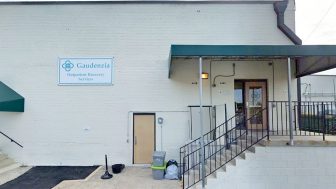
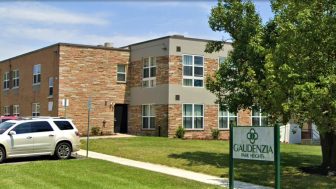
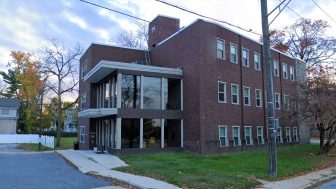
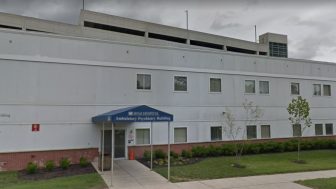
The Harry and Jeanette Weinberg Center is a Gaudenzia program in Baltimore, Maryland. They offer long term residential treatment and transitional housing for adult men.
I feel the program is designed to support lasting recovery and housing stability with their trauma informed and culture informed approach.
Trauma Therapy and Life Skills Support
The center serves men with substance use disorders and co-occurring mental health conditions. Services include counseling and co-occurring disorder care with medication assisted treatment.
The center pairs both high and low intensity residential substance use disorder treatment with transitional housing. Treatment length is according to clinical assessment and each client's needs. I noted this creates room for longer term change.
Counseling is built on evidence based approaches like cognitive behavioral therapy, motivational interviewing, and relapse prevention counseling.
Trauma specific therapy and life skills support help address underlying issues while preparing men for stability after treatment.
Co-Occurring Disorder Treatment and MAT
The program integrates care for co-occurring mental health disorders into daily recovery support. Medication assisted treatment includes options such as buprenorphine, Vivitrol, naloxone, and methadone maintenance.
Amenities
Private drug rehab provides a comfortable, secure environment that allows you to focus on doing the work to get your life back on track. Benefits include a higher staff-to-client ratio, increased one-on-one time with therapists and healthcare providers, private rooms for clients, and customized forms of therapy.
Residential drug rehab provides the comforts of home with the therapeutic support needed to successfully recover. Benefits of an inpatient program include increased safety, a higher success rate, and the time and distance given to focus on recovery. Residential drug rehabs are often the preferred method of treatment, as they can be tailored to meet specific needs, offer focused therapeutic care, and provide the necessary tools to sustain recovery.
Recreational therapy uniquely combines therapeutic interventions with an activity, like horse-riding, hiking, wilderness therapy, basketball, tennis, or a full workout. Benefits of recreational therapy include providing a healthy way to work through the emotions of recovery, learning to build and maintain relationships, improving communication skills, and building self-esteem.
In order to maintain a sense of autonomy, many private rehab facilities offer clients the ability to choose their own private rooms. The privacy and personal space ensure that the recovery process is as comfortable as possible.
Wilderness rehab programs offer all the benefits of a traditional drug rehab, but with the added benefits of outdoor adventure. Venture out into the forest to learn new skills, explore the beauty of nature, and relieve stress. Engaging in wilderness activities is a great way to gain self-discovery and release negative emotions.
When used as part of an evidence-based treatment plan, basketball can boost physical and mental health, lead to sharper thinking, and facilitate improved self-esteem. Drug rehabs with a basketball court also place a focus on teamwork and cooperation.
Addiction Treatment Programs
During crucial developmental years, addiction can cause cognitive impairment, increase risky behavior, and impair social development. A young adult program in Maryland can help individuals learn to make healthy choices and avoid these downfalls of addiction.
A typical adult program in Maryland offers a private setting for rehabilitation from alcohol or drugs. Treatment often includes group therapy, individual counseling, and family support and may occur in a residential facility or through outpatient care.
If you desire to discontinue alcohol use, alcohol rehab in Maryland can help. Through detox, counseling, and aftercare, these programs can help you break free from alcohol dependence.
Men’s rehab in Maryland helps men recover from substance use disorders and start rebuilding their lives. Therapies focus on men only and their unique needs.
Opioid rehab in Maryland takes place in a safe, supportive environment that minimizes access to opioids and reduces stressors that trigger relapse. Treatment often begins with medical detox, followed by inpatient rehab that may last 30 to 90 days. Aftercare is provided to help maintain long-term sobriety.
Cognitive behavioral therapists use multiple exercises during cognitive behavioral therapy in Maryland. A combination of imagery-based exposure, behavioral experiments, and thought records can provide effective treatment for addiction and co-occurring disorders.
Once a person becomes addicted to a substance, drug rehab in Maryland is often necessary to overcome that addiction. These programs provide the tools individuals need to manage the physical, mental, and emotional issues involved and begin a successful recovery journey.
Rational emotive behavioral therapy in Maryland states that behaviors, feelings, and thoughts are interconnected. The premise of this therapy is to identify irrational thoughts, so you can experience more positive feelings that lead to healthier behaviors.
Assertive Community Treatment (ACT) is an integrative, community-based care strategy designed to address the needs of persons with severe and/or complex mental illness or behavioral disorders. ACT is typically provided by a multidisciplinary team of medical and mental health care providers, social workers, therapists, and other specialists, including addiction recovery professionals. These services are frequently provided in the home and community to clients in crisis, those who are clinically unstable, and those who are unable or unwilling to travel to a hospital or clinic for in-person treatment.
Levels of Care
Addiction challenges don’t end after rehab. To maintain good health and sobriety, you’ll need to continue to manage your addiction. Aftercare rehab in Maryland helps you by providing continued access to specialists, counselors, and life coaches for as long as you need them.
The most intensive level of care is known as inpatient rehab. It involves living at the facility until you finish your program, receiving extensive individual and group addiction counseling, recovery-focused life skills training, and complementary therapies.
A Maryland sober living home is appropriate for those who want to abstain from drugs and alcohol but need a high level of accountability. If you don’t have strong support at home or have been resistant to treatment in the past, this structured environment can provide the support you need to maintain sobriety in the first few months of recovery.
Intervention services are often necessary before treatment at a drug rehab in Maryland can begin. These professional services help you encourage your loved one to get the treatment they need. Support includes intervention facilitation, education about treatment plan options, and guidance in selecting the best program for your loved one.
Accreditations
Contact Information


 Sponsored
Kimberly Hawkins holds a master’s degree in computing and information sciences from East Tennessee State University. She is a content writer specializing in alcoholism, drug addiction, and co-occurring disorders. Kimberly has been passionate about the subject of addiction since her only sibling passed away due to an accidental overdose. Her other interests include playing the piano, being in tranquil natural environments, and spending time with her adult children.
Rehabs.org regularly reviews this listing for accuracy but changes may occur between updates. For the most up-to-date information, please contact The Harry and Jeanette Weinberg Center.