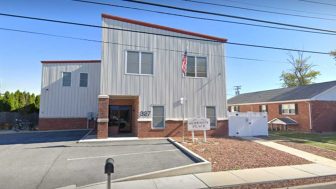
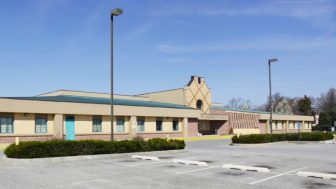
Dover Behavioral Health Systems
725 Horsepond Rd
Dover, DE 19901
 Sponsored
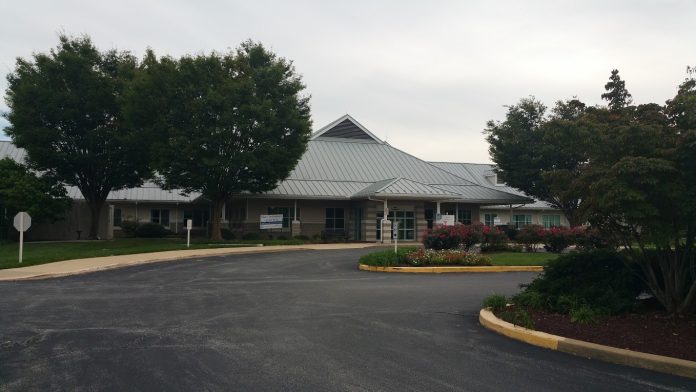
About Dover Behavioral Health Systems
Dover Behavioral Health Systems provides Dover, Delaware’s adult, adolescent, and military populations with inpatient and outpatient programs for co-occurring psychiatric disorders and substance abuse. For adults over the age of 18, their inpatient program is a highly structured approach to treatment or detoxification under medical supervision.
The purpose of inpatient services is to help patients regain their ability to function as soon as possible medically by reducing their level of care and reducing their length of stay. All of their inpatient programs place a strong emphasis on 12 step participation and the disease concept model.
A licensed alcohol and drug counselor, social worker and activity therapist make up the multidisciplinary treatment team, which is headed by a psychiatrist. A customized treatment plan that takes into account individual needs serves as the foundation for individualized care. This program is also available for active duty, military veterans, and family members.
Their inpatient services for adults include medication stabilization when needed, medically supervised detoxification, psychological evaluation and individual assessments. Co-occurring disorder programming, daily structured therapy and patient education are some of the additional services offered. Inpatient clients receive art and music therapy, discharge and aftercare plans and follow up care with outpatient providers.
They provide treatment for behavioral health issues as well as treatment for opioid addiction and substance use disorders through their outpatient programs. With an emphasis on both physical and mental health, their drug and alcohol rehabilitation program are built around co-occurring disorders. In addition, medication management and medically assisted treatment are provided to individuals with opioid use disorders or addiction who are at risk of overdosing on opioids.
For patients who prefer maximum independence, they offer a part-time intensive outpatient program. They have a robust support network and robust support groups. Their IOP is available Monday through Friday.
Amenities
Art and music are mediums that connect with our feelings, making them a great recovery tool during addiction treatment. Studies show that combining art/music and drug rehab can have a greater therapeutic impact than drug rehab alone, as you’re able to access parts of your brain and body that you may not have access to during traditional talk therapy. Benefits of art/music therapy include lowering stress and anxiety, promoting healthy neurochemicals, and providing stress relief.
Music can be extremely therapeutic, serving as a valuable healing tool and an integrative feature of a holistic treatment plan. A music room offers a large number of outlets, including singing, playing musical instruments, and listening to music.
Private drug rehab provides a comfortable, secure environment that allows you to focus on doing the work to get your life back on track. Benefits include a higher staff-to-client ratio, increased one-on-one time with therapists and healthcare providers, private rooms for clients, and customized forms of therapy.
Recreational therapy uniquely combines therapeutic interventions with an activity, like horse-riding, hiking, wilderness therapy, basketball, tennis, or a full workout. Benefits of recreational therapy include providing a healthy way to work through the emotions of recovery, learning to build and maintain relationships, improving communication skills, and building self-esteem.
Residential drug rehab provides the comforts of home with the therapeutic support needed to successfully recover. Benefits of an inpatient program include increased safety, a higher success rate, and the time and distance given to focus on recovery. Residential drug rehabs are often the preferred method of treatment, as they can be tailored to meet specific needs, offer focused therapeutic care, and provide the necessary tools to sustain recovery.
When used as part of an evidence-based treatment plan, basketball can boost physical and mental health, lead to sharper thinking, and facilitate improved self-esteem. Drug rehabs with a basketball court also place a focus on teamwork and cooperation.
In order to maintain a sense of autonomy, many private rehab facilities offer clients the ability to choose their own private rooms. The privacy and personal space ensure that the recovery process is as comfortable as possible.
Addiction Treatment Programs
Many options are available for those seeking a young adult program in Delaware. Since this demographic faces so many unique needs and challenges, recovery success may rely on threatment that specifically targets those elements.
An adult program in Delaware provides addiction recovery services for individuals ages 18 and older. Treatment is typically offered on a continuum of care, based on the severity of the addiction.
Men’s rehab in Delaware gives men the benefit of speaking with other men about their substance use disorder and related challenges. This connection can be an important part of the recovery process.
Women’s rehab in Delaware offers treatment for women with substance use disorders. These programs often include dual diagnosis treatment, so women can also get help for co-occurring disorders such as depression, anxiety, ADHD, bipolar disorder, and PTSD.
The typical format for alcohol rehab in Delaware includes detox, rehabilitation, and maintenance. This three-phase plan provides comprehensive treatment that uses best practices for long-term, lasting sobriety.
When people have impulsive, negative thoughts, they often try to self-medicate with alcohol or drugs to cope with their emotions. Cognitive behavioral therapy in Delaware helps people identify these thoughts patterns and manage them without the use of substances.
Recovery can begin at drug rehab in Delaware. These programs specialize in providing an environment that encourages rest, rejuvenation, and a restart to life. Individuals receive customized treatment that is designed to put them on the path to recovery.
Successful opioid rehab in Delaware addresses medical, emotional, and relational aspects of addiction. Treatment provides the professional intervention necessary to get your life on track, through personalized programs that address your unique needs.
Levels of Care
During residential or inpatient drug rehab in Delaware, you live at the rehab facility and receive 24/7 supervised care. Clients reside at the treatment center for the entire length of their program, which may range from two weeks to more than 18 months, depending on the program.
Delaware outpatient rehab provides ongoing treatment while allowing you to fulfill other obligations at work and home. It involves attending treatment sessions several times per week and attending a support group. This treatment may continue for weeks or months, depending on your recovery needs.
When you enter drug rehab in Delaware, detox is usually the first step in recovery. This is the process of slowly and safely ridding your body of all addictive substances, under medical supervision.
Longstanding substance abuse requires longstanding treatment. Aftercare rehab in Delaware picks up where initial rehab leaves off. It provides continued support as you re-enter your life and face new challenges. Continued counseling and therapy are available, as well as coaching in other life areas such as finances and work.
When a mental health disorder and substance abuse disorder exist simultaneously, dual diagnosis in Delaware is necessary for proper treatment. Common co-occurring disorders include depression, anxiety, ADHD, and eating disorders.
A type of outpatient treatment, the partial hospitalization program (PHP) allows you to receive intensive, structured care while living at home. You visit the drug rehab in Delaware during the day for therapy and medication management, then return home at night.
Accreditations
Contact Information


 Sponsored