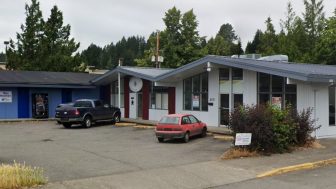
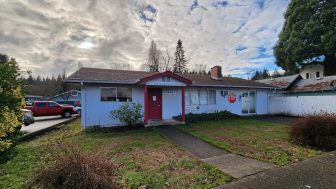
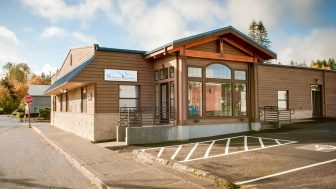
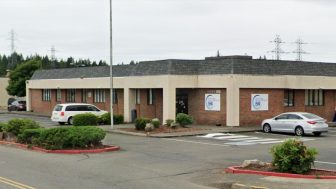
Consejo Counseling & Referral Service
627 W Franklin St
Shelton, WA 98584
 Sponsored
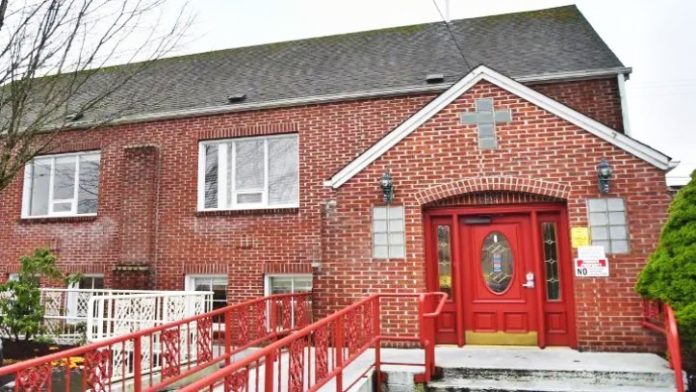
About Consejo Counseling & Referral Service
Consejo Counseling & Referral Service was founded in 1978 to address the behavioral health needs of the Latino or Hispanic community in Washington. The goal was to promote a healthy community where everyone thrives through whole-person and trauma-informed care that is culturally and linguistically appropriate. They’ve since grown into a leading provider of outpatient substance use recovery and mental health care for Latino and BIPOC communities, with nine clinics across the state, including one in Shelton.
Their outpatient clinic in Shelton is situated at West Franklin Street, not far from the Mason County Historical Museum, the Shelton Civic Center and the Shelton Downtown Historic District. Services range from mental health and substance use care to support for victims of sexual assault and domestic violence as well as school-based treatment for youth. They’re state-approved to provide court-ordered assessment and treatment for DUI offenders.
Trauma-Focused & Culturally Appropriate Care
At Consejo Counseling in Shelton, you’ll receive support from compassionate professionals in a nurturing environment that fosters growth. Following intake assessment and personalized care planning, you’ll attend therapy sessions to address underlying emotional issues and work toward sustainable recovery. Therapists may use proven techniques like Eye Movement Desensitization and Reprocessing (EMDR) to help you process past trauma and support your long-term healing.
The program emphasizes family involvement and integrates social and recreational activities to enhance overall wellbeing. Culturally-relevant traditional healing practices and spirituality may be incorporated into your care plan to support emotional recovery.
Psychiatrists are available to help you address co-occurring mental health challenges. You’ll also have access to a recovery coach to provide tailored guidance, helping you stay focused on your goals and navigate challenges as you progress in your recovery.
Addiction Treatment Made Convenient
I like that the organization does their best to make treatment convenient. The facility provides transportation support to enable you to consistently attend appointments and stay engaged in your recovery journey without transportation barriers. I also noticed telehealth services are available, providing the convenience of attending therapy sessions from the comfort of your home.
Amenities
Private drug rehab provides a comfortable, secure environment that allows you to focus on doing the work to get your life back on track. Benefits include a higher staff-to-client ratio, increased one-on-one time with therapists and healthcare providers, private rooms for clients, and customized forms of therapy.
Residential drug rehab provides the comforts of home with the therapeutic support needed to successfully recover. Benefits of an inpatient program include increased safety, a higher success rate, and the time and distance given to focus on recovery. Residential drug rehabs are often the preferred method of treatment, as they can be tailored to meet specific needs, offer focused therapeutic care, and provide the necessary tools to sustain recovery.
Art and music are mediums that connect with our feelings, making them a great recovery tool during addiction treatment. Studies show that combining art/music and drug rehab can have a greater therapeutic impact than drug rehab alone, as you’re able to access parts of your brain and body that you may not have access to during traditional talk therapy. Benefits of art/music therapy include lowering stress and anxiety, promoting healthy neurochemicals, and providing stress relief.
Transportation services are designed to ensure your addiction treatment begins and ends successfully by offering free transportation to the rehab facility, to and from your appointments during rehab, and back home upon program completion.
Music can be extremely therapeutic, serving as a valuable healing tool and an integrative feature of a holistic treatment plan. A music room offers a large number of outlets, including singing, playing musical instruments, and listening to music.
In order to maintain a sense of autonomy, many private rehab facilities offer clients the ability to choose their own private rooms. The privacy and personal space ensure that the recovery process is as comfortable as possible.
Addiction treatment programs provide an opportunity to get your life back on track with access to school classes or college courses. Whether you want to finish your GED or go back to school to learn a new trade, facilities often enlist tutors and teachers who are certified or licensed by the state to oversee self-study or distance-learning education.
Acupuncture is one of the most popular luxurious and alternative therapies offered by rehabs. An acupuncture room provides benefits like pain reduction, improved sleep, a healthy immune system, and a decrease in anxiety.
Addiction Treatment Programs
Options for a young adult program in Washington include residential programs, sober living homes, recovery support groups, specialized counseling, family therapy, alternative therapy, and social skills development. These rehab treatments often include therapy to address co-occurring disorders.
For those aged 18 and older, an adult program in Washington can help in overcoming addiction. You can get effective treatment for substance use disorders and related mental health issues at the level of care that works best for you.
During alcohol rehab in Washington, you’ll participate in a variety of individual and group therapy sessions. These treatments are designed to help you address issues related to substance use and develop new coping skills. The goal is to empower you to achieve long-term recovery.
Men’s rehab in Washington focuses on specific challenges faced by men, including relationship dynamics. Gender-specific treatment helps men repair damage to their relationships and get the support they need.
Women’s rehab in Washington effectively treats drug and alcohol addiction by addressing the unique needs of substance-dependent women, which provides an opportunity to break the addiction cycle and embrace long-term recovery.
Opioid rehab in Washington begins with breaking your physical dependence on opioids, through safe, supervised detox. After this phase, you will work on overcoming damage caused by opioid use disorder, through a variety of therapy methods. You’ll then receive aftercare to prevent relapse.
Cognitive behavioral therapy in Washington teaches healthy coping strategies. Treatment includes setting goals, learning communication skills, and cognitive-behavioral strategies to manage triggers.
An elderly rehab in Washington is customized for the age, health, and psychological concerns of older adults. Treatment provides relevant resources that address issues specific to this population.
Veteran’s rehab in Washington offers treatment to help Veterans cope with trauma, manage triggers, develop coping skills, and prevent relapse. Programs address mental health symptoms as well as addiction, to provide comprehensive recovery treatment.
Addiction often involves irrational thoughts and beliefs. Rational emotive behavioral therapy in Washington helps people identify their irrational thoughts and shift irrational beliefs to decrease destructive behaviors and create attainable goals.
Assertive Community Treatment (ACT) is an integrative, community-based care strategy designed to address the needs of persons with severe and/or complex mental illness or behavioral disorders. ACT is typically provided by a multidisciplinary team of medical and mental health care providers, social workers, therapists, and other specialists, including addiction recovery professionals. These services are frequently provided in the home and community to clients in crisis, those who are clinically unstable, and those who are unable or unwilling to travel to a hospital or clinic for in-person treatment.
Moral Reconation Therapy (MRT) is a form of psychotherapy commonly used in addiction recovery. Based on cognitive behavioral therapy (CBT), moral reconation therapy (MRT) helps clients recognize unhealthy and/or harmful thought patterns and to replace them with more positive and productive ones. MRT is designed to empower clients to make healthier life choices and to more effectively align their behaviors with their moral values.
Levels of Care
Outpatient rehab in Washington is often a good option if you’re in long-term recovery and need ongoing coaching to avoid relapse. This treatment provides accountability and support while you maintain other life responsibilities.
When substance abuse and mental illness are both present, you need specialized treatment to achieve recovery. Both the substance abuse and mental health disorder must be treated by dual diagnosis treatment in Washington.
You don’t have to face life alone after you complete rehab. Aftercare rehab in Washington provides ongoing support as you begin your new life in recovery. You’ll receive practical, emotional, and mental support to overcome hurdles and maintain sobriety.
Most Washington sober living homes serve one gender, and residents typically stay for several months. These structured settings provide a stable environment for those who need extra accountability beyond 12-step meetings. Strict house rules and requirements encourage sober living and development of recovery skills.
Intervention services in Washington are often key to starting the recovery journey. These services include pre-intervention counseling for family members, planning and facilitation of of the intervention, educational resources for treatment planning, and assistance with admission to drug rehab in Washington.
Accreditations
Contact Information


 Sponsored