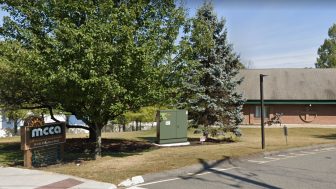
Community Health Center Inc
8 Delay Street
Danbury, CT 06810
 Sponsored
About Community Health Center Inc
Community Health Center (CHC) opened their first office in 1972 in a converted second-floor walk-up apartment in downtown Middletown, Connecticut. The organization now operates more than 40 integrated care sites across Connecticut.
The Community Health Center of Danbury is part of this larger network. Established in 2008, this agency serves as a healthcare home for residents of Danbury and upper Fairfield County.
At this facility, you can access primary medical services along with specialties like nutritional counseling, chiropractic treatment and behavioral health support through an integrated model of care. You may also receive assistance with treating substance use disorder. I like that they accept Medicare and Medicaid including Connecticut’s HUSKY program alongside several commercial health insurance plans.
Flexible Support For Long-Term Recovery
CHC offers tailored therapeutic support for adults, children, and families facing common behavioral challenges such as stress, anxiety and depression alongside eating disorders and trauma. Care is delivered by a compassionate interdisciplinary team in a confidential and culturally sensitive environment that fosters healing and personal growth.
To promote complete healing of body and mind, treatment support is integrated with their medical services. This helps you manage every aspect of your health in the best possible way. They also offer therapeutic support for adults facing primary substance use challenges with a focus on developing effective relapse prevention strategies and supporting long-term abstinence.
What I appreciate most about the broader outpatient behavioral health care is the flexibility. Services are accessible in person, through hybrid models and via telehealth.
Medication-Supported Opioid Recovery
Individuals with primary opioid dependence may be able to access medication-assisted treatment (MAT) at this location or through coordination with other facilities in the network. This involves a personalized prescription of Suboxone, Sublocade or Vivitrol following assessment to help clients ease withdrawal symptoms and cravings.
This enables clients to focus on navigating underlying emotional issues and building effective relapse-prevention strategies via behavioral therapy. CHC’s broader substance use recovery program is overseen by the Center for Key Populations (CKP), whose role involves eliminating barriers to recovery and addressing co-occurring conditions that may hinder complete healing.
Addiction Treatment Programs
For those who have a substance use disorder, an adult program in Connecticut offers crucial support. Designed to treat individuals 18 and older, these rehab programs help adults learn how to live their lives free from dependence on substances.
In Connecticut, cognitive behavioral therapy helps individuals identify impulsive thoughts and feelings of fear and self-doubt. It equips them to manage these negative thoughts and feelings without the use of substances.
Women often find it easier to work through their addiction issues in women’s rehab in Connecticut. Surrounded by other women who understand their struggles, they can feel free to share openly and find support.
Veteran’s rehab in Connecticut is designed for military personnel who are experiencing substance use disorder and need specialized treatment. Programs address commonly occurring dual diagnosis, such as PTSD and depression.
For seniors who have long-term addiction struggles and for those who have developed a substance use disorder later in life, elderly rehab in Connecticut is available. Treatment focuses on the unique needs of this stage of life.
If you are looking for a young adult program in Connecticut, many options are available. Programs include inpatient, partial hospitalization programs (PHP), intensive outpatient programs (IOP), outpatient, aftercare, and dual diagnosis.
Levels of Care
Many individuals turn to outpatient rehab in Connecticut after they complete an inpatient program. This treatment is less intensive and usually involves attending several counseling sessions per week and attending a support group such as NA or AA. Outpatient rehab may be short or long-term, depending on the needs of the individual.
When you have a co-occurring disorder, you have both a substance abuse disorder and a mental health disorder. Dual diagnosis in Connecticut specializes in treating both conditions simultaneously, which is crucial for successful recovery.
Accreditations
Contact Information


 Sponsored