MCCA – McDonough House and Detox
 Sponsored
About MCCA – McDonough House and Detox
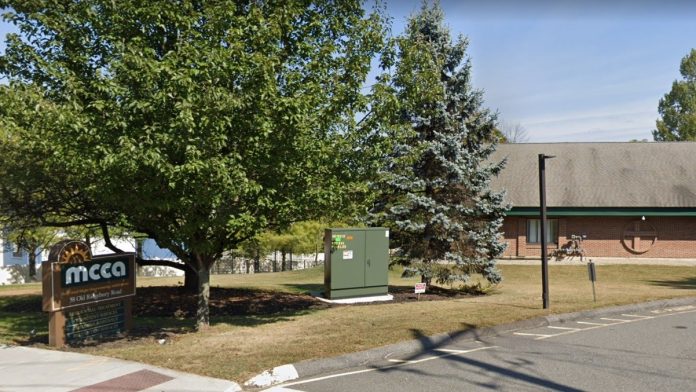
MCCA – McDonough House and Detox provides medically monitored inpatient addiction treatment in Danbury, Connecticut operating on MCCA's Old Ridgebury Road campus.
The program serves adults with substance use disorders and co-occurring mental health needs, offering withdrawal management and intensive inpatient care.
With a warm, human-centered approach MCCA combines medical stabilization with counseling and coordinated aftercare to guide clients through every stage of early recovery.
Medically Monitored Detox and Inpatient Stabilization
I appreciate that MCCA's Danbury campus houses two connected units with a Withdrawal Management/Detox Unit and McDonough House for intensive inpatient stabilization.
Both provide 24-hour supervision from physicians, nurses, licensed counselors and certified recovery coaches. Physician-approved medication is available to ease withdrawal discomfort during detox.
I found that McDonough House also serves as a post-detox bridge, offering structured, medically monitored support for clients who need more before returning to community-based care.
Treatment includes counseling, peer-led recovery meetings, recovery coaching and recreational therapy.
A Campus-Based Continuum of Care
MCCA emphasizes a "warm handoff" to the next level of care, coordinating step-down planning into residential recovery communities or intensive outpatient programming.
The Danbury campus also features an outpatient clinic and access to medication assisted treatment through MCCA's broader Connecticut network.
Amenities
Private drug rehab provides a comfortable, secure environment that allows you to focus on doing the work to get your life back on track. Benefits include a higher staff-to-client ratio, increased one-on-one time with therapists and healthcare providers, private rooms for clients, and customized forms of therapy.
Acupuncture is one of the most popular luxurious and alternative therapies offered by rehabs. An acupuncture room provides benefits like pain reduction, improved sleep, a healthy immune system, and a decrease in anxiety.
Addiction Treatment Programs
For those who have a substance use disorder, an adult program in Connecticut offers crucial support. Designed to treat individuals 18 and older, these rehab programs help adults learn how to live their lives free from dependence on substances.
Alcohol rehab in Connecticut is not a one-size-fits-all solution. That’s why a variety of programs and treatment methods are available to meet you where you are. Through personalized treatment, alcohol rehab is designed to help you achieve sobriety and maintain long-term recovery from alcohol use disorder.
Adults who attend men’s rehab in Connecticut have the opportunity to connect with other men who are struggling with similar addiction issues. This is important for recovery, as men are often more comfortable talking about their struggles with other men.
When you attend opioid rehab in Connecticut, you’re provided with the tools that are necessary to break free from opioid addiction. Treatment offers accountability, structure, and a sense of community. Methods typically include medication assisted treatment, individual therapy, and group counseling.
For seniors who have long-term addiction struggles and for those who have developed a substance use disorder later in life, elderly rehab in Connecticut is available. Treatment focuses on the unique needs of this stage of life.
Women often find it easier to work through their addiction issues in women’s rehab in Connecticut. Surrounded by other women who understand their struggles, they can feel free to share openly and find support.
If you are looking for a young adult program in Connecticut, many options are available. Programs include inpatient, partial hospitalization programs (PHP), intensive outpatient programs (IOP), outpatient, aftercare, and dual diagnosis.
In Connecticut, cognitive behavioral therapy helps individuals identify impulsive thoughts and feelings of fear and self-doubt. It equips them to manage these negative thoughts and feelings without the use of substances.
Levels of Care
Many individuals turn to outpatient rehab in Connecticut after they complete an inpatient program. This treatment is less intensive and usually involves attending several counseling sessions per week and attending a support group such as NA or AA. Outpatient rehab may be short or long-term, depending on the needs of the individual.
When you have a co-occurring disorder, you have both a substance abuse disorder and a mental health disorder. Dual diagnosis in Connecticut specializes in treating both conditions simultaneously, which is crucial for successful recovery.
Once you’ve completed rehab treatment, you must learn how to manage stress and life challenges without relapsing. Aftercare rehab in Connecticut is designed to provide the support you need for this process. It may include financial, educational, career, social, and mental support. Many people remain in this care for a year after initial recovery.
Inpatient drug rehab in Connecticut is the most intensive level of care for addiction treatment. Upon admission, they engage in extensive psychotherapy, receive recovery-focused life skills training, and participate in evidence-based complementary therapies, such as meditation, massage, acupuncture, and/or animal, creative arts, recreational, and experiential therapy.
Drug rehab in Connecticut typically starts with detox. This is the process of ridding your body of all addictive substances. This happens under supervision, so medical staff can treat withdrawal symptoms and help you through the process.
Sober living in Connecticut offers an interim step for the first few months of your recovery journey. It involves living in a supervised, sober residence that has structured rules and required 12-step meetings. Typical house rules include no drugs or alcohol, random drug tests, and involvement in work, school, or an outpatient rehab program.
For those looking to get a loved one started on a path toward recovery, intervention services in Connecticut can prove invaluable. Professional intervention specialists can help you facilitate an intervention, access resources to develop a treatment plan, and assist with admittance to drug rehab in Connecticut.
A partial hospitalization program (PHP) is a type of outpatient treatment program in Connecticut that combines the benefits of an inpatient program with those of an outpatient program. While in a PHP, you spend several hours multiple times a week undergoing treatment for drug or alcohol addiction, then you can return home.
Accreditations
Accepted Insurance




Staff
Contact Information


 Sponsored
Patti Croft is a full-time writer who writes about accessing effective addiction treatment during the day but is also pursuing her dream of penning a novel in her spare time. She enjoys copious amounts of coffee as creative fuel and sharing an office with her adorable cat, Beau. Her background is in healthcare management, and she is a passionate advocate for mental health and addiction care.
Rehabs.org regularly reviews this listing for accuracy but changes may occur between updates. For the most up-to-date information, please contact MCCA – McDonough House and Detox.