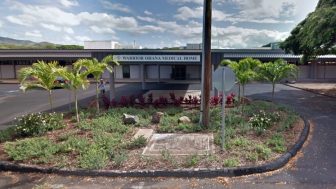
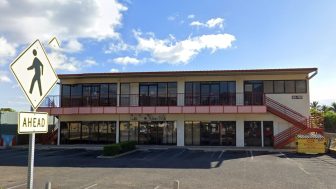
Waianae Coast Community Mental Health Center
86-226 Farrington Highway
Waianae, HI 96792
 Sponsored
About Waianae Coast Community Mental Health Center
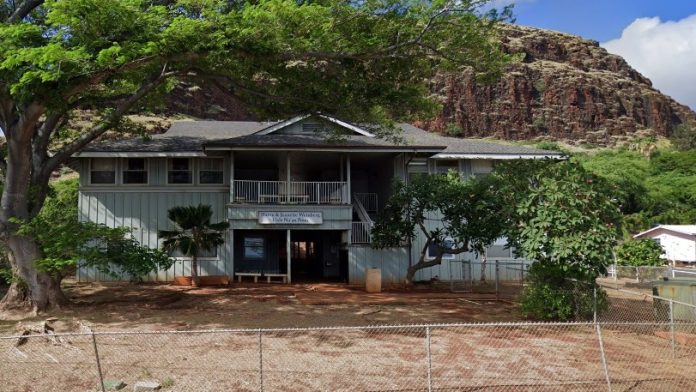
The Waianae Coast Community Mental Health Center in beautiful Waianae, Hawaii offers outpatient treatment for those with co occurring mental health and substance use disorders. It’s part of the organization Hale Naʻau Pono.
Accredited by the Commission on Accreditation of Rehabilitation Facilities (CARF), they accept military insurance, Medicare, Medicaid, other state financed health plans, and Access to Recovery (ATR) vouchers. A sliding fee scale is available to those who qualify so I appreciate that there are several ways to keep your care affordable.
Services for Clients of All Ages
Their outpatient and intensive outpatient programs are delivered through individual, group, family, and couples counseling. Services are designed for adults, adolescents, and seniors, with special programs in place for persons with serious mental illness (SMI).
I found a range of modalities used including motivational interviewing and 12 step facilitation. Anger management and relapse prevention planning are services that are offered as well.
Employment, Education and Other Ancillary Services
I was impressed with their expansive list of ancillary services. Some of these are health and substance use education, employment counseling, and case management services. They also conduct comprehensive assessments as well as STD and TB screenings and onsite drug and alcohol testing.
Transportation assistance and peer support are provided as well. Acupuncture is offered as part of their holistic treatment too which I think is a unique addition.
Recovering Among Outdoor Spaces of Waianae
Largely undiscovered by tourists, Waianae is home to an abundance of outdoor spaces to supplement your outpatient therapy. The Kaena Point Trail offers hiking amongst the scenic shoreline and white cliffs of the area. Ko Olina Lagoons are composed of four manmade lagoons, providing opportunities for swimming and snorkeling.
Kaneana Cave blends education with nature, a site of cultural and historical significance that’s believed to be 150,000 years old. Maili Beach Park features swimming, surfing, picnic areas and BBQ grills, perfect for a day of relaxed recreation.
Addiction Treatment Programs
A young adult program in Hawaii is important for addressing the needs of this stage of life. Young adults face different challenges and have different motivations for using substances than older adults, and a young adult rehab program addresses these unique needs.
Men and women over 18 who struggle with substance abuse can receive treatment through an adult program in Hawaii. Programs may include inpatient and/or outpatient care and typically include individual and group therapy methods.
Remission from alcohol use disorder is achieved through effective alcohol rehab in Hawaii. Participants learn how to cease heavy drinking and develop healthy lifestyle habits that lead to long-term sobriety.
Men’s rehab in Hawaii often reduces the risk of relapse and increases treatment completion rates by giving men the opportunity to create bonds with other men who have similar challenges. They feel comfortable sharing their struggles, and continue the supportive relationships after treatment.
Because women often abuse substances for different reasons than men, women’s rehab in Hawaii provides treatment that is targeted for women. Programs focus on specific trauma, stigma, bias, and gender-role issues that can affect substance use disorders among women.
Opioid rehab in Hawaii helps people recover from opioid use disorders and improve their lives. Treatment teaches participants new skills to end opioid dependence and prevent relapse. Methods include detox, inpatient, and outpatient treatment.
Cognitive behavioral therapy in Hawaii teaches people positive behaviors to replace alcohol and drug use. They learn better ways to cope with negative thoughts and emotions and challenging situations.
During Veteran’s rehab in Hawaii, participants undergo an assessment to identify any co-occurring disorders such as PTSD. Specialists then develop a rehab plan tailored to each Veteran’s needs. Treatment may include individual therapy, group therapy, and support groups.
The backbone of rational emotive behavioral therapy in Hawaii is the ABC model. Therapists use this method to help individuals struggling with addiction alter their thinking and behavior. Individuals acknowledge the Activating event (trigger), evaluate their Beliefs (rational or irrational), and consider the Consequences (actions resulting from the beliefs about the event).
Assertive Community Treatment (ACT) is an integrative, community-based care strategy designed to address the needs of persons with severe and/or complex mental illness or behavioral disorders. ACT is typically provided by a multidisciplinary team of medical and mental health care providers, social workers, therapists, and other specialists, including addiction recovery professionals. These services are frequently provided in the home and community to clients in crisis, those who are clinically unstable, and those who are unable or unwilling to travel to a hospital or clinic for in-person treatment.
Levels of Care
During outpatient rehab in Hawaii, you will have more freedom and less oversight than with inpatient treatment. The goals will be to stay clean, demonstrate the ability to act responsibly, and show continual progress toward recovery. This will include attending therapy and support group sessions.
Often, substance abuse and mental health disorders are intricately linked. For successful recovery, Hawaii dual diagnosis treatment is necessary. This integrated approach provides crucial tools for improving both conditions and putting you on the path to recovery.
The first step to becoming drug-free is detox. During this initial stage of drug rehab in Hawaii, your body is cleansed of all additive substances. The length of time varies by individual, but it always involves 24/7 medical supervision for a slow, safe process.
Hawaii sober living gives you the opportunity to solidify your sobriety before living completely independently. These residential settings offer drug-free environments with structured schedules. You’ll adhere to house rules, contribute to household chores, and attend 12-step meetings. The average stay in sober living is five to eight months.
Intervention services in Hawaii are often necessary to convince your loved one to get the treatment they need. Professional intervention specialists can provide pre-intervention counseling for family members, assist with staging an intervention, and provide resources to create a treatment plan.
Accreditations
Accepted Insurance




Contact Information


 Sponsored