
Center for Dependency Addiction and Rehabilitation A division of UCHealth
1693 North Quentin Street
Aurora, CO 80045
 Sponsored
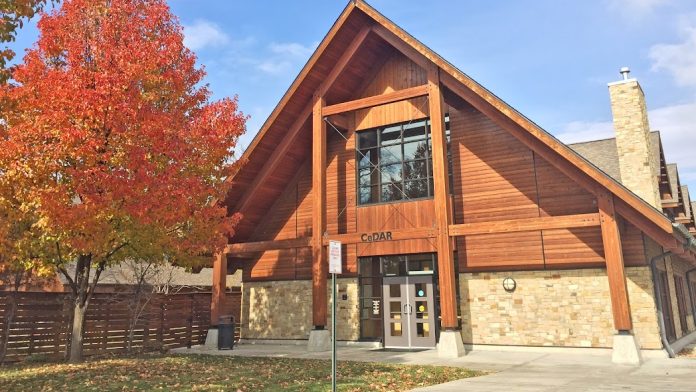
About Center for Dependency Addiction and Rehabilitation A division of UCHealth
Located in Aurora, Colorado, is the Center for Dependency Addiction and Rehabilitation, also known as CeDAR. They work with adults and families who have been touched by a behavioral health or substance abuse disorder. There are specialized programs to help treat your drug, alcohol or opioid use struggles.
The programs offered here include residential addiction treatment and residential extended treatment. There is also outpatient care and a partial hospitalization program if you need a more flexible approach to treatment. There’s also telehealth if you have a busy schedule or ate unable to come to the facility for care. If you're suffering from a mental health struggle, there's a dual diagnosis treatment program that can help you tackle your unique issues.
For many people who are starting the recovery journey, detox is often the first step. Here you'll have access to medication assisted treatment. This type of treatment uses FDA approved medications to help your body safely wean off of its chemical dependency. If required, you'll undergo medical detox with the supervision and support of trained medical professionals. Many people who exit detox will continue on medication assistance treatment. This can help manage cravings that will creep up on you during your recovery.
Once detox is complete, you can begin the recovery process. Recovery includes specialized counseling from trained and experienced addiction counselors. These counselors utilize cognitive and dialectical behavioral therapy to help you understand the mental aspect of recovery. You'll learn how to identify triggers that have led to your addiction use. You'll also learn how to manage stressful emotions that will arise during recovery. By using these therapies, you can identify high risk situations and know what skills to use to help minimize the risk of relapse.
I also appreciate that there's comprehensive family support here. The care team here knows the value of having a robust family or support system backing you. Your family members can engage in family counseling where they'll learn critical techniques to help you through your recovery.
The alumni program is another neat resource that you can turn to as well. Through this program, you can connect with similarly situated individuals who have found sustainable sobriety. These individuals in the alumni program can also serve as mentors and will help guide you during your recovery.
Amenities
Private drug rehab provides a comfortable, secure environment that allows you to focus on doing the work to get your life back on track. Benefits include a higher staff-to-client ratio, increased one-on-one time with therapists and healthcare providers, private rooms for clients, and customized forms of therapy.
Residential drug rehab provides the comforts of home with the therapeutic support needed to successfully recover. Benefits of an inpatient program include increased safety, a higher success rate, and the time and distance given to focus on recovery. Residential drug rehabs are often the preferred method of treatment, as they can be tailored to meet specific needs, offer focused therapeutic care, and provide the necessary tools to sustain recovery.
In order to maintain a sense of autonomy, many private rehab facilities offer clients the ability to choose their own private rooms. The privacy and personal space ensure that the recovery process is as comfortable as possible.
Addiction Treatment Programs
Each young adult program in Colorado is unique, but most offer evidence-based treatment methods while focusing on the young-adult stage of life. Common methods include cognitive behavioral therapy, group and individual therapy, family therapy, relapse prevention, and dual diagnosis therapy.
Each adult program in Colorado centers around helping individuals obtain and maintain sobriety. These programs are designed for men and women 18 and older who struggle with addiction. Common treatment methods include one-on-one and group therapy.
Men’s rehab in Colorado focuses on the needs of men, including the unique ways they respond to addiction and addiction treatment. These programs allow men to process emotions and connect with other men who have similar struggles.
Women’s rehab in Colorado takes a unique approach to treatment that addresses women’s perspectives. Treatment allows women to explore traumas that may have contributed to their substance use disorder and find support among other women.
Elderly rehab in Colorado focuses on the challenges seniors face that often accompany substance abuse. Senior addiction treatment helps aging adults cope with illness, chronic pain, death of loved ones, and decrease in physical ability.
Professional services are often necessary to recover from addiction. Drug rehab in Colorado provides the expert services needed to address the complex issues of addiction and help individuals start their recovery journey.
Cognitive behavioral therapy in Colorado helps a person understand why they act and feel certain ways and how their behavior can lead to substance abuse. This treatment method equips participants with ways to manage these thoughts and feelings and overcome addiction.
Opioid rehab in Colorado connects you with the tools and resources you need to overcome opioid use disorder and prevent relapse. Treatment provides structure, accountability, improved health, and community support through a variety of evidence-based methods.
Fitness therapy is an evidence-based complementary approach to addiction recovery and mental health care. Based on mounting scientific evidence of the benefits of physical activity in improving mood, enhancing clients’ sense of wellbeing, and decreasing depression and anxiety, fitness therapy encompasses a wide spectrum of intensities, from gentle yoga, qigong, and tai chi to weight training, kickboxing, and other highly physical activities.
Levels of Care
During outpatient rehab in Colorado, you will attend counseling sessions but live at home while you receive treatment. You will be required to attend groups such as AA or NA to receive additional support. The length of time in outpatient rehab varies by individual, based on their recovery journey.
Residential or inpatient rehab in Colorado is the most intensive treatment setting, offering medication management, individual and family therapy, and verious forms of evidence-based or holistic therapy. Clients live at the facility while receiving treatment.
Your safely is paramount throughout the process of detox in Colorado. You'll receive round-the-clock care as drugs and alcohol are cleansed from your body. The detox process can vary in length, depending on the type of drug, length of dependency, and other details.
Many families find that intervention services offer valuable tools that help encourage their loved ones to enter addiction treatment. Professional staff can help plan and facilitate interventions, provide resources to create treatment plans, and assist with admittance to a drug rehab in Colorado.
Many people who struggle with a substance abuse disorder also have a mental health disorder. In these situations, Colorado dual diagnosis treatment is essential, for treating both disorders simultaneously.
As a type of outpatient treatment, partial hospitalization programs (PHPs) in Colorado offer many of the same treatment methods found in inpatient rehabs. However, in a PHP setting, you only stay at the facility during treatment times. That means you can return home after completing required therapies and counseling.
Accreditations
Contact Information


 Sponsored
Nearby Treatment Centers

1693 North Quentin Street
Aurora, CO 80045
2206 Victor Street
Aurora, CO 80045
1475 Lima Street
Aurora, CO 80010
12401 East 17th Avenue
Aurora, CO 80045
