
Bridges of Iowa
1985 Northeast 51st Place
Des Moines, IA 50313
 Sponsored
About Bridges of Iowa
Bridges of Iowa is located in Des Moines, Iowa. They are a long term substance use disorder treatment facility. The facility itself is located in an unlocked wing of the Polk County Jail. None of the clients are incarcerated.
The people they usually serve have little to no income, no health insurance and no access to good health services. They do accept Medicaid and rely heavily on donations. The majority of the people they treat come from the jail directly. They are provided with reentry and job readiness in addition to treatment.
I like that the residential treatment is supervised and highly structured. You will attend group therapy and individual counseling. You will learn about health and wellness and attend support groups.
What they consider the middle phase is their halfway house treatment. At this point, you will take on more accountability and responsibility as you gain more freedom. You will be expected to find employment at this point. They are able to help you with your resume, transportation and interviewing skills.
What stood out to me is that when you are in the halfway house treatment they set up a trust account for you. By setting up this trust account, they will be able to help you manage your money so that you can become self sustaining.
They also have outpatient treatment. During this phase you attend group meetings weekly and individual counseling monthly. You will also undergo weekly drug testing.
By the time you graduate from the program, you will be clean and sober for nearly a year or even longer. You will also be employed and be contributing to your treatment costs. Graduation is done bi-monthly.
Amenities
Residential drug rehab provides the comforts of home with the therapeutic support needed to successfully recover. Benefits of an inpatient program include increased safety, a higher success rate, and the time and distance given to focus on recovery. Residential drug rehabs are often the preferred method of treatment, as they can be tailored to meet specific needs, offer focused therapeutic care, and provide the necessary tools to sustain recovery.
Recreational therapy uniquely combines therapeutic interventions with an activity, like horse-riding, hiking, wilderness therapy, basketball, tennis, or a full workout. Benefits of recreational therapy include providing a healthy way to work through the emotions of recovery, learning to build and maintain relationships, improving communication skills, and building self-esteem.
Treatment centers with a yoga studio offer a special form of holistic therapy during the recovery process. Yoga boosts mindfulness, a sense of calm, and healthy reflection during drug rehab via breathing exercises, stretching, and a progression of specific postures.
Transportation services are designed to ensure your addiction treatment begins and ends successfully by offering free transportation to the rehab facility, to and from your appointments during rehab, and back home upon program completion.
Rehabs that offer mountain views provide beautiful spaces for clients to explore, de-stress, and take part in outdoor or wilderness therapy programs. The mountain surroundings can be a great help to the recovery process, as sobriety may be better achieved while surrounded by a serene setting in nature.
In order to maintain a sense of autonomy, many private rehab facilities offer clients the ability to choose their own private rooms. The privacy and personal space ensure that the recovery process is as comfortable as possible.
Addiction Treatment Programs
A young adult program in Iowa specializes in addiction treatment for young people from their teen years through their late 20s. Some include adults up through age 32. Treatment focuses on recovery challenges that are specific to this stage of life.
Treatment at an adult program in Iowa is targeted for men and women over the age of 18. These recovery services focus on establishing healthy coping skills that allow individuals to stop abusing substances.
The journey through alcohol rehab in Iowa typically involves four key phases. Treatment initiation is followed by early abstinence. Participants then learn how to maintain abstinence, and finally enter advanced recovery. These steps teach individuals how to develop and maintain a healthy, sober lifestyle.
Men’s rehab in Iowa offers multiple levels of care. Treatment programs designed for men include inpatient, outpatient, partial hospitalization programs (PHP), intensive outpatient programs (IOP), detox, and sober living.
Women and men react differently biologically, emotionally, and socially to substance abuse and addiction. That’s why women’s rehab in Iowa provides treatment targeted to meet women’s needs.
Opioid rehab in Iowa is more comprehensive than many people imagine. This treatment addresses physical, mental, emotional, and relational issues that contribute to opioid abuse. Most successful programs offer comprehensive care that includes detox, behavioral therapy, medication assisted treatment, and aftercare support.
Triggers can cause a person who is addicted to crave a substance and relapse. Cognitive behavioral therapy in Iowa teaches people how to manage these triggers in multiple ways that don’t involve turning to substances.
Drug rehab in Iowa is available in many formats. A variety of inpatient and outpatient options provide programs tailored to individual needs. The aim of each is to help participants recover from drug addiction.
Women and men react differently biologically, emotionally, and socially to substance abuse and addiction. That’s why women’s rehab in Iowa provides treatment targeted to meet women’s needs.
Veteran’s rehab in Iowa offers evidence-based treatment that addresses the full needs of Veterans who are facing addiction. Treatment may include family therapy, group therapy, individual therapy, life skills training, wellness programs, and relapse prevention.
Levels of Care
Also known as residential treatment, inpatient rehab in Iowa typically involves group and individual therapy, family therapy, medication management, and other therapy methods. Participants receive these treatments while living at the facility under 24/7 care.
Outpatient rehab in Iowa is tailored to fit each person’s needs. It may last a few weeks or more than a year. During that time, you will attend regular therapy sessions and receive support from a group such as AA or NA. This treatment will help you put strategies in place to prevent relapse and promote recovery.
Once you’ve completed treatment, Iowa aftercare rehab helps you adapt to everyday life. It addresses issues and challenges associated with recovery. It offers practical support to help you maintain a sober lifestyle. This may continue as long as you need it, which for most people is at least one year after initial sobriety.
Iowa sober living is less intensive than rehab treatment programs. It provides structure and support as you live independently and practice maintaining a sober lifestyle. You’ll reside with others in recovery, attend 12-step meetings, and contribute to household responsibilities. This arrangement can continue until you’re ready to live on your own.
Contact Information


 Sponsored
Nearby Treatment Centers
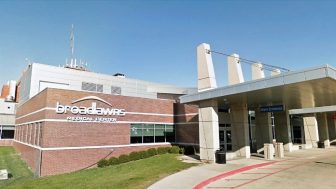
1801 Hickman Road
Des Moines, IA 50314
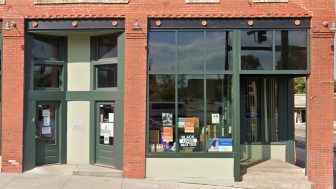
601 Forest Avenue
Des Moines, IA 50314
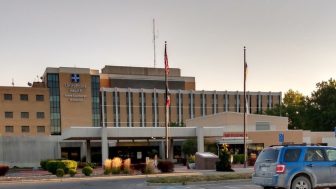
700 East University Avenue
4th Floor
Des Moines, IA 50316
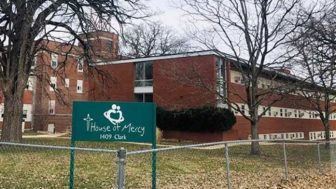
1409 Clark St
Des Moines, IA 50314
