
Bedrock Recovery Center
1 Meadowbrook Way
Canton, MA 02021
 Sponsored
About Bedrock Recovery Center
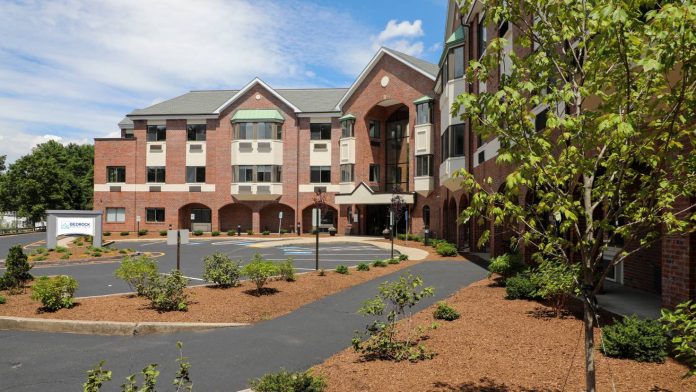
Bedrock Recovery Center is located in Canton, Massachusetts. The organization is accredited by both The Joint Commission and CARF.
They’re a detox and residential facility for adults who’re struggling with substance abuse. They accept some insurance plans.
What I like about their detox program is that you have medical supervision, access to care and support 24/7. You’ll first undergo an evaluation so that your treatment needs can be identified. They will also evaluate your current withdrawal symptoms so that they can provide you with appropriate care.
Your treatment will be tailored to your medical history and your specific needs. They’ll provide you with nutritious meals. Food options are available that are vegetarian and gluten free.
Once you have completed detox then you will continue with treatment in the residential program. I like that you are going to have a daily schedule. Most of your days will consist of group therapy. You will also have individual sessions with your primary clinician as needed.
The treatment provided is evidence based. They provide you with psychoeducation and you will have the option for medication assisted treatment (MAT) to reduce your cravings and withdrawal symptoms.
What stood out to me is their state of the art facility. They newly remodeled the bedrooms, which are semi private suites. If medically needed, they do have private suites you can reside in.
I like that their onsite fitness center has so many options for you. They’ve ellipticals and weights among their gym equipment. There are also exercise classes and yoga classes that are led by an instructor.
They have a movie theater where you can comfortably watch movies on recliners. You are also able to watch movies on the projection screen that they have outside. The outdoor patio also has a ping pong table, pergola and basketball courts.
Amenities
Private drug rehab provides a comfortable, secure environment that allows you to focus on doing the work to get your life back on track. Benefits include a higher staff-to-client ratio, increased one-on-one time with therapists and healthcare providers, private rooms for clients, and customized forms of therapy.
Art and music are mediums that connect with our feelings, making them a great recovery tool during addiction treatment. Studies show that combining art/music and drug rehab can have a greater therapeutic impact than drug rehab alone, as you’re able to access parts of your brain and body that you may not have access to during traditional talk therapy. Benefits of art/music therapy include lowering stress and anxiety, promoting healthy neurochemicals, and providing stress relief.
Treatment centers with a yoga studio offer a special form of holistic therapy during the recovery process. Yoga boosts mindfulness, a sense of calm, and healthy reflection during drug rehab via breathing exercises, stretching, and a progression of specific postures.
In order to maintain a sense of autonomy, many private rehab facilities offer clients the ability to choose their own private rooms. The privacy and personal space ensure that the recovery process is as comfortable as possible.
When paired with cognitive-behavioral therapy, exercise can be an effective tool for overcoming addiction. Drug rehabs with a gym offer clients healthy ways to increase energy levels, balance the body’s stress hormone levels, and aid in the brain’s healing process.
Luxury rehab is a form of treatment offered in a residential, resort-style setting. You’ll receive personalized treatment from staff and clinicians, have access to forms of treatment that go beyond what a typical inpatient rehab offers, and offer specific amenities like ocean views, large single occupancy bedrooms with private baths, and complementary spa treatments like massage, acupuncture, or reiki. Most luxury rehab centers have a limited number of beds.
Recreational therapy uniquely combines therapeutic interventions with an activity, like horse-riding, hiking, wilderness therapy, basketball, tennis, or a full workout. Benefits of recreational therapy include providing a healthy way to work through the emotions of recovery, learning to build and maintain relationships, improving communication skills, and building self-esteem.
Addiction Treatment Programs
Each adult program in Massachusetts is designed to help individuals over the age of 18 recover from addiction to drugs or alcohol. The length of the program and its intensity varies, based on the needs of the individual.
For men who want to stop drinking or using drugs, men’s rehab in Massachusetts offers help and hope. These treatment programs, designed specifically for men, help participants recover and rebuild their lives.
Women who are seeking treatment for substance use disorders can receive various levels of care at women’s rehab in Massachusetts. Programs include detox, partial hospitalization programs (PHP), intensive outpatient programs (IOP), telehealth programs, sober living, outpatient, and aftercare.
Cognitive behavioral therapy in Massachusetts is a hands-on method that engages participants in changing their thought and behavior patterns. Rather than a talk-listen approach, individuals are actively involved in working with their therapist to treat their addiction.
Addiction is a highly complex problem, and drug rehab in Massachusetts is often necessary to address it. These programs treat physical, mental, and relational issues that are involved. Treatment empowers individuals to manage these issues without the use of drugs.
LGBTQ-friendly rehab in Massachusetts offers programs targeted to the unique experiences within this diverse community. Staff specialists understand that an environment promoting acceptance makes it easier for people to open up and focus on healing.
Addiction therapists apply rational emotive behavioral therapy in Massachusetts to focus on the interconnectedness of behaviors, thoughts, and feelings. The aim of therapy is for these three things to work together to improve your quality of life rather than lead to dysfunction.
Assertive Community Treatment (ACT) is an integrative, community-based care strategy designed to address the needs of persons with severe and/or complex mental illness or behavioral disorders. ACT is typically provided by a multidisciplinary team of medical and mental health care providers, social workers, therapists, and other specialists, including addiction recovery professionals. These services are frequently provided in the home and community to clients in crisis, those who are clinically unstable, and those who are unable or unwilling to travel to a hospital or clinic for in-person treatment.
Most alcohol rehab in Massachusetts consists of individual counseling and group therapy sessions, which address mental and emotional concerns that are contributing to alcohol use. Treatment helps participants make changes to maintain sobriety and prevent relapse.
When you enter opioid rehab in Massachusetts, you’ll receive treatment in a supportive environment that encourages recovery. After successful withdrawal management, you’ll participate in a variety of evidence-based therapies that prepare you for long-term sobriety.
Levels of Care
If you meet the diagnostic criteria for two or more conditions, you have a dual diagnosis. Massachusetts dual diagnosis treatment is designed to address both conditions simultaneously, for improved recovery outcomes.
As the most intensive treatment setting, inpatient drug rehab in Massachusetts treatment involves 24/7 supervised care. At this level of care, you typically participate in individual, group, and family therapy sessions, and you may receive medication and additional recreational therapies.
The first step to a drug-free future is detox. This involves slowly and safely ridding your body of all addictive substances, under 24/7 supervision. This is typically the initial phase of drug rehab in Massachusetts.
You don’t have to be an expert on interventions to help an addicted loved one. Staff members offer intervention services in Massachusetts, providing support when planning and facilitating an intervention, connecting you with community resources, and helping with the development of your loved one's treatment plan.
Partial hospitalization programs (PHPs) in Massachusetts provide many of the same treatment services as an inpatient program, but you don’t have to stay overnight. PHPs often provide a bridge between inpatient and outpatient treatment.
Accreditations
Accepted Insurance




Contact Information


 Sponsored
Nearby Treatment Centers

400a Franklin St
Suite 202
Braintree, MA 02184
400-402 N Main St
Randolph, MA 02368
1093 North Main Street
Randolph, MA 02368
966 Park St
#B3
Stoughton, MA 02072
