BAART Programs Omaha
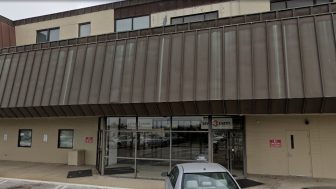
1941 South 42nd Street
Suite 210
Omaha, NE 68105
 Sponsored
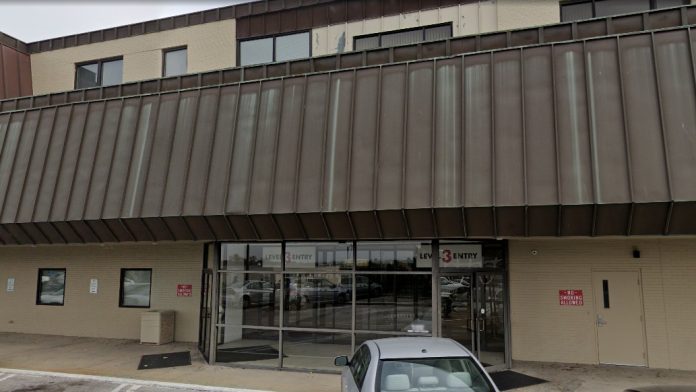
About BAART Programs Omaha
BAART Programs Omaha, located in Omaha, Nebraska is an outpatient addiction treatment center specializing in opioid use disorders. The facility provides medication-assisted treatment (MAT) using methadone and buprenorphine.
I like that you can also go here for counseling, case management and support services. Their philosophy centers on individualized care in a supportive, non-judgmental environment.
Why People Choose BAART Programs Omaha
- Specialty Programs: Focused primarily on treating opioid addiction
- Medication-Assisted Treatment: Offers methadone and buprenorphine tailored to your needs.
- Counseling and Therapy: Includes individual and group counseling, immersive group formats, mental health therapy and relapse prevention education.
- Populations Served: Adults 18 and over, pregnant individuals, and clients involved with the legal or corrections systems.
- Aftercare and Continuity: Offers discharge planning, coordinated pregnancy treatment, guest medication dosing for travelers, and telehealth/group virtual sessions.
- Accessibility and Location: Situated in south central Omaha. Accessible via Omaha transit with transportation support for Medicaid patients.
- Payment and Insurance Options: Accepts Medicaid, Medicare Part B, most private insurance, self-pay with assistance available, and participates in VA Community Care networks for eligible veterans.
- Telehealth: Uses virtual reality group counseling through a service called Amelia Virtual Care.
- Supportive Culture: Patients often praise caring staff, feeling heard, strong community support, and compassionate care from counselors, nurses, and medical providers.
Next Steps to Begin MAT Here
Starting with BAART Programs Omaha typically involves scheduling an intake assessment to determine the proper level of care based on opioid use, pregnancy status, legal involvement or other factors. The admissions team will review your options for MAT, counseling, payment and insurance.
Amenities
Private drug rehab provides a comfortable, secure environment that allows you to focus on doing the work to get your life back on track. Benefits include a higher staff-to-client ratio, increased one-on-one time with therapists and healthcare providers, private rooms for clients, and customized forms of therapy.
Residential drug rehab provides the comforts of home with the therapeutic support needed to successfully recover. Benefits of an inpatient program include increased safety, a higher success rate, and the time and distance given to focus on recovery. Residential drug rehabs are often the preferred method of treatment, as they can be tailored to meet specific needs, offer focused therapeutic care, and provide the necessary tools to sustain recovery.
In order to maintain a sense of autonomy, many private rehab facilities offer clients the ability to choose their own private rooms. The privacy and personal space ensure that the recovery process is as comfortable as possible.
Addiction Treatment Programs
The young-adult stage of life involves education, career, and starting a family. Individuals who struggle with addiction often feel treatment is not an option during this phase. A young adult program in Nebraska helps young people overcome barriers to treatment and get the help they need.
Each adult program in Nebraska meets individuals where they are on their recovery journey. Using various treatment methods, the programs help people change patterns of substance abuse and break free from addiction.
When you participate in alcohol rehab in Nebraska, you learn skills necessary to rebuild your life. Through individual, group, and behavioral therapy, you can restructure your brain and learn new ways of thinking and being. The result is recovery.
Many accredited facilities offer men’s rehab in Nebraska. These programs offer supportive services, specifically designed for men, to help individuals achieve addiction recovery.
Women’s rehab in Nebraska offers the opportunity for women to participate in treatment in ways they might not be able to in co-ed treatment. The women-focused environment provides tailored support that improves recovery outcomes.
During opioid rehab in Nebraska, participants typically engage in detox, behavioral therapy, and aftercare support programs. Therapy provides opportunities to work through challenges that contribute to addiction and engage in mutual support with other recovering individuals.
Cognitive behavioral therapy in Nebraska is often used during inpatient, outpatient, and online treatment for addiction and co-occurring disorders. This method of psychotherapy is effective for treating substance use disorders, mood disorders, and anxiety disorders.
During drug rehab in Nebraska, you’ll participate in therapies that address the many issues that contribute to addiction. Treatment includes physical, mental, emotional, and relational aspects. These methods provide the tools you need to achieve long-term recovery.
At elderly rehab in Nebraska, staff are trained in gerontology to provide relevant and effective addiction treatment for seniors. Programs address substance use disorders, aging concerns, and dual diagnosis.
For those who identify as LGBTQ, specialized treatment is available at LGBTQ-friendly rehab in Nebraska. These treatment centers provide a safe space with experienced staff who understand the challenges faced by LGBTQ individuals.
Veteran’s rehab in Nebraska specializes in Veteran-specific care. Staff are trained in best practices for working with Veterans to address the challenges of addiction. Each person receives an individualized care plan to start their recovery journey.
Rational emotive behavioral therapy in Nebraska helps individuals replace irrational beliefs with rational ones. This allows the individual to create healthier patters of thoughts and behaviors related to substance use and addiction.
Assertive Community Treatment (ACT) is an integrative, community-based care strategy designed to address the needs of persons with severe and/or complex mental illness or behavioral disorders. ACT is typically provided by a multidisciplinary team of medical and mental health care providers, social workers, therapists, and other specialists, including addiction recovery professionals. These services are frequently provided in the home and community to clients in crisis, those who are clinically unstable, and those who are unable or unwilling to travel to a hospital or clinic for in-person treatment.
Levels of Care
Outpatient rehab in Nebraska provides individual and group therapy on-site for a few hours each week, but allows you to live at home when not in treatment. Your outpatient treatment may last for a few weeks to more than a year, based on your recovery needs.
During dual diagnosis treatment in Nebraska, you’ll receive separate but integrated care from experts who specialize in either mental health or substance abuse disorders. This approach effectively addresses co-occurring disorders such as anxiety and depression.
Aftercare rehab in Nebraska can last for more than a year after initial rehab treatment. This program gives you confidence to maintain sobriety as you face life challenges. You’ll receive support to overcome hurdles and prevent relapse.
Inpatient rehab in Nebraska, also called residential treatment, involves living at the treatment facility to receive 24/7 care. Treatment at this level usually includes individual, group, and recreational therapy, medication, and nutritional counseling.
When you undergo detox in Nebraska, you’ll receive round-the-clock supervision as well as medication to ease withdrawal symptoms. Once your body is free of addictive substances, you will be able to move forward with drug rehab in Nebraska.
Sober living in Nebraska is for people who are serious about their recovery. They are willing to be held accountable and offer support to their housemates, who are also in recovery. Their goal is to strengthen their recovery skills to eventually move to an independent lifestyle.
Intervention services are an integral part of drug rehab in Nebraska. These treatment services provide valuable support to family members for intervention facilitation and development of a treatment plan.
Accreditations
Accepted Insurance

Contact Information


 Sponsored