Allendale Treatment Fort Wayne
 Sponsored
About Allendale Treatment Fort Wayne
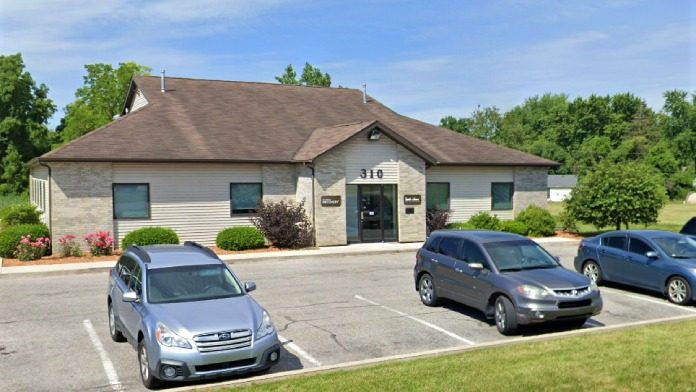
Allendale Treatment is a luxury addiction treatment facility for adults near Fort Wayne, Indiana. The center provides structured programming for substance use and co-occurring mental health conditions.
The facility treats a wide range of concerns including depression, anxiety, PTSD, bipolar disorder, and OCD alongside addiction using proven methods and a trauma-informed approach. Allendale combines clinical depth with a supportive, upscale environment designed to help clients feel safe and cared for from the first day of treatment.
Medical Detox
I noted that Allendale offers a full continuum of inpatient care, starting with 24/7 medically monitored detox and transitioning into intensive residential treatment. Programming includes family therapy to help loved ones affected by addiction and psychoeducational classes within a state-of-the-art facility that is designed to feel like home.
Dual Diagnosis and Trauma-Informed Care
Allendale integrates dual diagnosis treatment for clients managing both addiction and underlying mental health conditions, with a clear trauma-perspective lens guiding the mental health programming. I appreciate that this integrated approach helps address the root causes of substance use rather than treating symptoms in isolation to offer clients a greater chance at lasting sobriety.
Amenities
Luxury rehab is a form of treatment offered in a residential, resort-style setting. You’ll receive personalized treatment from staff and clinicians, have access to forms of treatment that go beyond what a typical inpatient rehab offers, and offer specific amenities like ocean views, large single occupancy bedrooms with private baths, and complementary spa treatments like massage, acupuncture, or reiki. Most luxury rehab centers have a limited number of beds.
Addiction Treatment Programs
An adult program in Indiana offers recovery services to those who have become addicted to drugs or alcohol. Treatment may include inpatient or outpatient services, medication, and a variety of therapy methods.
If you choose an alcohol rehab in Indiana, you’ll progress through four stages of recovery. Rehab begins with treatment initiation, then moves to early abstinence, then maintaining abstinence, and finally advanced recovery. The outcome is a new, healthy sober lifestyle.
Men’s rehab in Indiana allows for greater participant engagement by offering same-gender treatment sessions. Often, men feel more comfortable in these settings, so they are more willing to share and receive support.
Women’s rehab in Indiana can be very beneficial for participants. These programs offers services that are designed specifically for women, which can help participants overcome the unique challenges they face.
During opioid rehab in Indiana, addiction specialists help individuals stop abusing prescription drugs or other opioids. Comprehensive treatment includes inpatient rehab, behavioral therapy methods, and alternative therapies. Many rehabs in Indiana include detox and medication assisted treatment.
For long-term recovery from drug addiction, drug rehab in Indiana is often key. This treatment gives individuals who are struggling with a substance use disorder the tools to manage their disorder and achieve long-term sobriety.
Levels of Care
Detox in Indiana involves 24/7 professional care while substances are cleansed from your body. Medications are often given to alleviate withdrawal symptoms during this time. The process varies in length, depending on your history of dependency and the type of drug.
During inpatient reahb, you live at the treatment facility and participate in several forms of therapy throughout each day. You also engage in forms of psychotherapy, which usually includes group and family therapy as well as individual counseling. Many programs also offer holistic treatment and recovery-focused life skills training.
Indiana outpatient rehab focuses on providing tools necessary to stay sober. This involves several weekly counseling sessions and involvement in at least one support group, such as NA or AA, for several weeks or months. During that time, you’ll learn how to replace unhealthy habits with healthy ones and prevent relapse.
Accreditations
Staff
Contact Information


 Sponsored
Patti Croft is a full-time writer who writes about accessing effective addiction treatment during the day but is also pursuing her dream of penning a novel in her spare time. She enjoys copious amounts of coffee as creative fuel and sharing an office with her adorable cat, Beau. Her background is in healthcare management, and she is a passionate advocate for mental health and addiction care.
Rehabs.org regularly reviews this listing for accuracy but changes may occur between updates. For the most up-to-date information, please contact Allendale Treatment Fort Wayne.