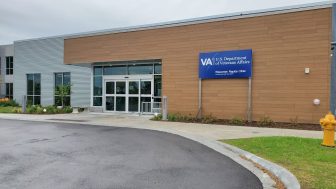
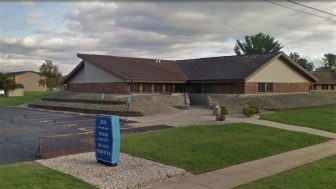
Adams County Health & Human Services Department
108 East North Street
Friendship, WI 53934
 Sponsored
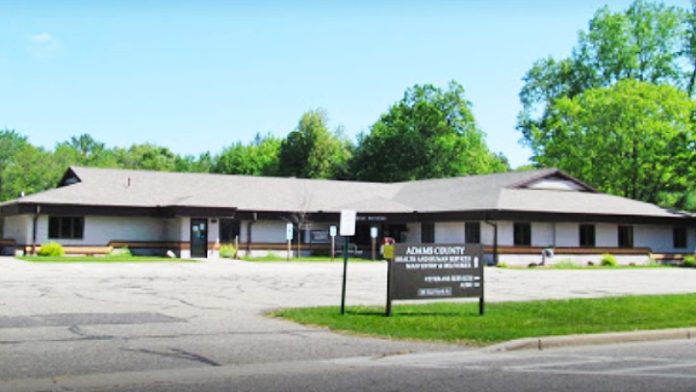
About Adams County Health & Human Services Department
Friendship is a small community in Adams County in Wisconsin, near Roche-A-Cri State Park. It’s where you’ll find the Adams County Health & Human Services Department, which offers assessments for mental health and substance use followed by referrals to community treatment partners. They also provide school based counseling for youth and comprehensive community services for those who need intensive support.
The County generally accepts Medicaid or other medical assistance coverage. They may take other plans as well. You can contact the office to get the details on payment options.
Assessments and Comprehensive Community Services
Residents of Adams County can get evaluations that include a bio social history as well as a diagnostic interview to determine their specific needs in terms of mental health and substance use treatment.
From there, they may be referred to outpatient or residential treatment at one of the County’s community partners. I saw that Noble Community Clinics provides outpatient counseling and medication assisted treatment (MAT) for those struggling with substance use.
The Comprehensive Community Services program is available to Adams County residents on medical assistance with mental health and/or substance use. Services include therapy, addiction treatment, skills training for employment and independent living and medication monitoring. They also have recovery services and peer support.
School Based Counseling Services
I love that the Adams County department provides counseling services for youth in a school setting. This allows both students and parents to miss as little class or work time as possible and can resolve scheduling conflicts and transportation issues.
School therapy programs can address risk taking behavior, including substance use, along with depression, anxiety, bullying, self esteem and a wide range of other issues young people face.
Amenities
Private drug rehab provides a comfortable, secure environment that allows you to focus on doing the work to get your life back on track. Benefits include a higher staff-to-client ratio, increased one-on-one time with therapists and healthcare providers, private rooms for clients, and customized forms of therapy.
Recreational therapy uniquely combines therapeutic interventions with an activity, like horse-riding, hiking, wilderness therapy, basketball, tennis, or a full workout. Benefits of recreational therapy include providing a healthy way to work through the emotions of recovery, learning to build and maintain relationships, improving communication skills, and building self-esteem.
In order to maintain a sense of autonomy, many private rehab facilities offer clients the ability to choose their own private rooms. The privacy and personal space ensure that the recovery process is as comfortable as possible.
Addiction treatment in the metro area benefits clients by offering seamless connections from the city, around the state, and those seeking out-of-state treatment. Another benefit of attending a metro area drug rehab is that you’re close to major airports and ground transportation services.
Addiction Treatment Programs
Individuals in their late teens and early twenties can find help for addiction at a young adult program in Wisconsin. These settings provide a comfortable, safe atmosphere where young adults feel at ease and treatment is customized to meet their unique needs.
Each adult program in Wisconsin is unique, but most use common treatment methods. A combination of social support, medication, and therapies provide the interventions needed to help participants achieve recovery.
During men’s rehab in Wisconsin, men can be more vulnerable. Gender-specific treatment helps them feel free to speak openly about their experiences and emotions. Participants also meet other men who understand what they’re going through.
Women face different pressures and challenges than men. Women’s rehab in Wisconsin acknowledges these differences and provides addiction treatment specifically for women.
Cognitive behavioral therapy in Wisconsin can be an effective treatment method for substance use disorders. Treatment techniques, which can be used in individual and group settings, include relapse prevention, motivational interventions, and coping strategies.
The challenges related to substance abuse vary depending on life stage and an individual’s physical and mental health. Elderly rehab in Wisconsin is tailored to meet the needs of seniors, wherever they are on the health spectrum.
Through rational emotive behavioral therapy in Wisconsin, individuals become aware of how their beliefs affect their emotions and responses to events. Participants replace negative beliefs with positive ones so they can manage reactions and develop healthier patterns.
Assertive Community Treatment (ACT) is an integrative, community-based care strategy designed to address the needs of persons with severe and/or complex mental illness or behavioral disorders. ACT is typically provided by a multidisciplinary team of medical and mental health care providers, social workers, therapists, and other specialists, including addiction recovery professionals. These services are frequently provided in the home and community to clients in crisis, those who are clinically unstable, and those who are unable or unwilling to travel to a hospital or clinic for in-person treatment.
Levels of Care
When you undergo detox in Wisconsin, you receive 24/7 care as medical professionals help your body rid itself of all addictive substances. This process varies in length, depending on history of use and drug type.
Compared to inpatient treatment, outpatient rehab in Wisconsin requires less time commitment. You’ll attend a few hours of treatment per week as well as support group meetings such as AA or NA. There is no set timeline for completion, but many people remain in outpatient rehab for several months.
Experts in mental health and addiction integrate their services to provide dual diagnosis treatment in Wisconsin. This treatment is designed for anyone who has both a substance abuse disorder and a mental health disorder, such as depression or anxiety.
Contact Information


 Sponsored