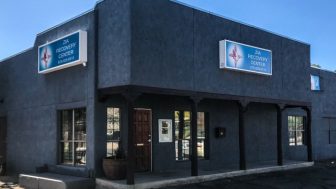
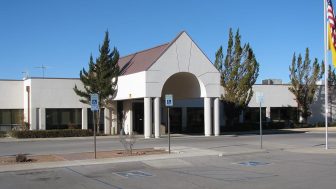
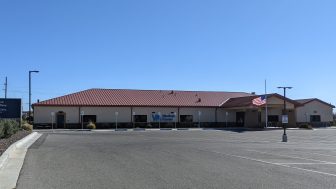
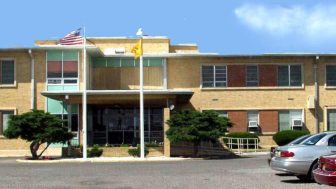
Fort Bayard Medical Center
41 Fort Bayard Road
Santa Clara, NM 88026
 Sponsored
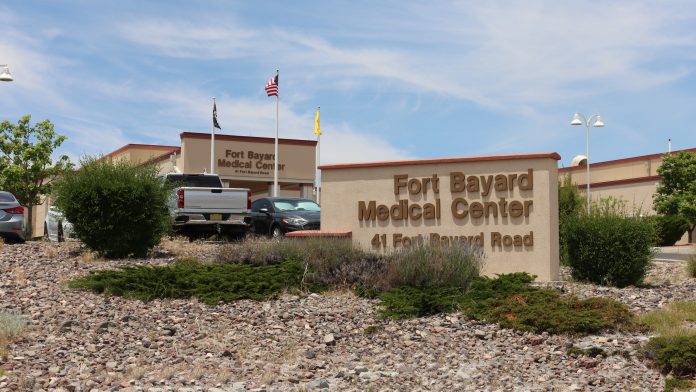
About Fort Bayard Medical Center
Established in 1977, the Yucca Lodge Chemical Dependency Treatment Center in Santa Clara, New Mexico is an 18 bed residential facility for those with alcohol and substance use disorders. A facility of the New Mexico Department of Health and licensed by the state, they offer self pay and sliding scale payment options. The average stay is four or more weeks, depending on individual need. Services are available in Spanish as well as English so they can serve a wider population.
Therapy with a 12 Step Approach
Emphasizing a 12 step approach to treatment, they offer individual and group inpatient therapy to adults who are 18 and older. Education classes are provided, as are groups dealing specifically with anger management. I like that nursing assessments and care are also provided as part of their treatment continuum. Aftercare and referrals are available, and recreational activities also play a part in their program.
Flexible and Individualized Treatment Plans
Located on the campus of the Fort Bayard Medical Center, the program utilizes services from their physicians, psychiatrists, pharmacy, and laboratory so you can get integrated care on site. Treatment programs are flexible and individualized, taking into account each resident’s personal history and needs. I think it’s important that they ensure that their staff reflects the ethnic and cultural backgrounds of their residents.
Recovering Among the Natural Beauty of Santa Clara
A historic gold mining town, Santa Clara offers plenty of opportunities for scenic recreation and relaxation. The facility is adjacent to the Gila National Forest, providing a secluded natural setting to support your recovery. Several national recreational trails such as the Wood Haul Wagon Road Trail and the Sawmill Wagon Road Trail feature picturesque paths for walking, hiking, and reflection.
Amenities
In order to maintain a sense of autonomy, many private rehab facilities offer clients the ability to choose their own private rooms. The privacy and personal space ensure that the recovery process is as comfortable as possible.
Addiction Treatment Programs
Each opioid rehab in New Mexico is unique. Treatment options include medical detox, inpatient rehab, outpatient rehab, and partial hospitalization programs (PHPs). The best program for each person depends on the severity of their addiction and personal situation.
Facilities that offer alcohol rehab in New Mexico are typically designed to help participants heal mentally, physically, and spiritually. Programs focus on fitness, nutrition, and individual and group therapy, to treat the whole person and help them develop healthy habits in all areas of their lives.
Each drug rehab in New Mexico offers unique amenities and treatment methods. Common aspects of treatment include group and individual counseling, recreational therapy, medication management, and healthy living. Aftercare is often provided to prevent relapse.
Addiction can manifest differently in women and men. Men’s rehab in New Mexico offers behavioral and medication-assisted treatments that have demonstrated to be most effective for men.
Women’s rehab in New Mexico helps women address the needs that drive their addictive behaviors and develop the tools they need for successful recovery. These are often different than the challenges faced by men.
Women’s rehab in New Mexico helps women address the needs that drive their addictive behaviors and develop the tools they need for successful recovery. These are often different than the challenges faced by men.
At a young adult program in New Mexico, participants have the opportunity to develop relationships that offer mutual support. The comfortable, age-appropriate environment also makes them feel more at home and more likely to participate.
Treatment at an adult program in New Mexico varies, based on the individual’s needs. Many programs provide a full continuum of care, ranging from initial intervention and detox to recovery aftercare.
Elderly rehab in New Mexico is similar to other programs. It offers family therapy, group therapy, cognitive behavioral approaches, and individual therapy. The difference is a focus on senior-specific issues that makes treatment more effective for this age bracket.
Due to past experiences, Veterans often benefit from specialized Veteran’s rehab in New Mexico. These programs may provide connections to self-help groups, training in managing relapse triggers, and counseling for couples and families.
Cognitive behavioral therapy in New Mexico is a well-established treatment method for substance use disorders and a full range of mental health disorders. It focuses on how thoughts influence mood and works to change dysfunctional thoughts that can lead to addiction.
Rational emotive behavioral therapy in New Mexico is helpful for decreasing unhealthy behaviors such as substance use. This treatment helps the individual improve their mental health and reduce negative emotions that contribute to addiction.
Levels of Care
New Mexico dual diagnosis treatment gives you access to the specialists you need to treat both mental health and substance abuse disorders. This is key to successful recovery, since these conditions significantly affect one another.
Also referred to as residential treatment, inpatient drug rehab in New Mexico provides round-the-clock supervision while you live at the rehab facility. You’ll participate in various counseling sessions, receive nutritional care, and learn how to live a full life in recovery.
When you choose aftercare rehab in New Mexico, you receive access to resources that provide ongoing support for recovery. Common aftercare services include career counseling, legal advice, academic support, financial planning, and therapy, which may continue for at least a year after initial rehab.
Before treatment can begin at a drug rehab in New Mexico, intervention services are often necessary. This treatment service offers support to family members by providing educational resources, pre-intervention counseling, intervention facilitation, and treatment plan development.
Accepted Insurance

Contact Information


 Sponsored